MarketsMarketWatchJun 19, 2026· 1 min read
Warsh's Task Forces Signal Fed Patience on Rate Adjustments
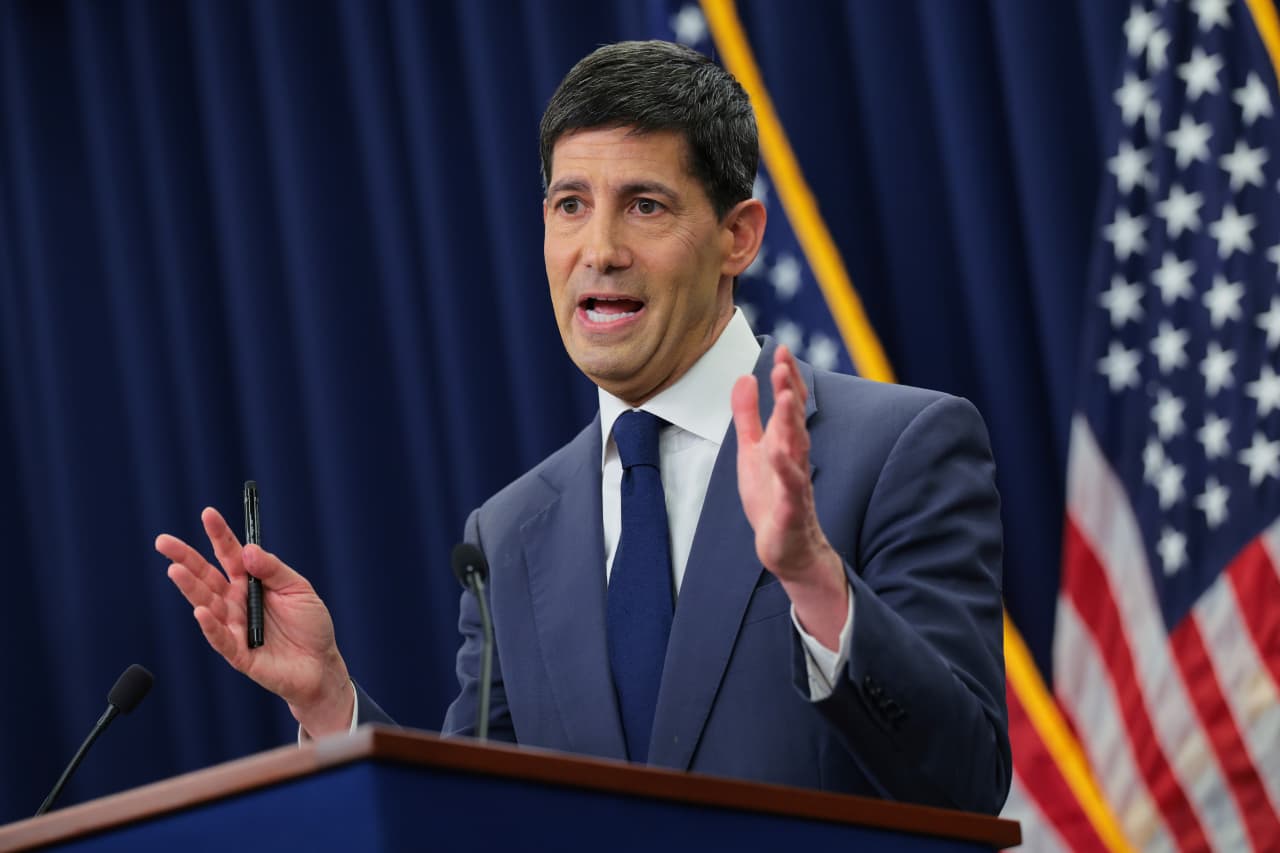
Federal Reserve Chair Kevin Warsh's emphasis on new task forces indicates the FOMC is likely to postpone any interest rate changes until December. This strategy provides the Fed with flexibility to thoroughly evaluate economic data before making policy adjustments.
Federal Reserve Chair Kevin Warsh, in his inaugural press conference, emphasized the establishment of several task forces dedicated to evaluating economic conditions and policy options. This approach suggests the Federal Open Market Committee (FOMC) may defer any interest rate adjustments until at least December, providing additional time to assess incoming data and the impact of existing policies.
The task forces are reportedly examining various economic facets, including inflation dynamics, labor market trends, and global economic spillovers. By delegating in-depth analysis to these specialized groups, the Fed appears to be creating flexibility to maintain the current monetary policy stance without pre-committing to a specific timeline for rate changes. This strategy aligns with a cautious approach to monetary policy, particularly amid evolving economic indicators and persistent uncertainties.
Market participants are interpreting this development as a signal for prolonged stability in benchmark interest rates. The emphasis on detailed review through task forces indicates a preference for data-driven decisions over immediate policy shifts. This could reduce near-term market volatility associated with speculative rate hike or cut expectations, allowing businesses and consumers to plan with greater certainty regarding borrowing costs. The Fed's commitment to thorough analysis before acting underscores a desire to avoid premature policy moves that could destabilize economic recovery or inflationary expectations.
Analyst's Take
The explicit focus on task forces, while appearing cautious, subtly shifts accountability for future policy decisions. This could inadvertently introduce delays in crucial responses if economic data necessitates quicker action, potentially creating an 'analysis paralysis' risk that the market may currently be overlooking in its appraisal of extended rate stability. This approach also suggests a potential divergence between short-term market expectations for stability and the longer-term need for agility in monetary policy.


