MarketsMarketWatchJun 16, 2026· 1 min read
KFC Shifts Strategy as Chicken Tender Demand Surges Globally
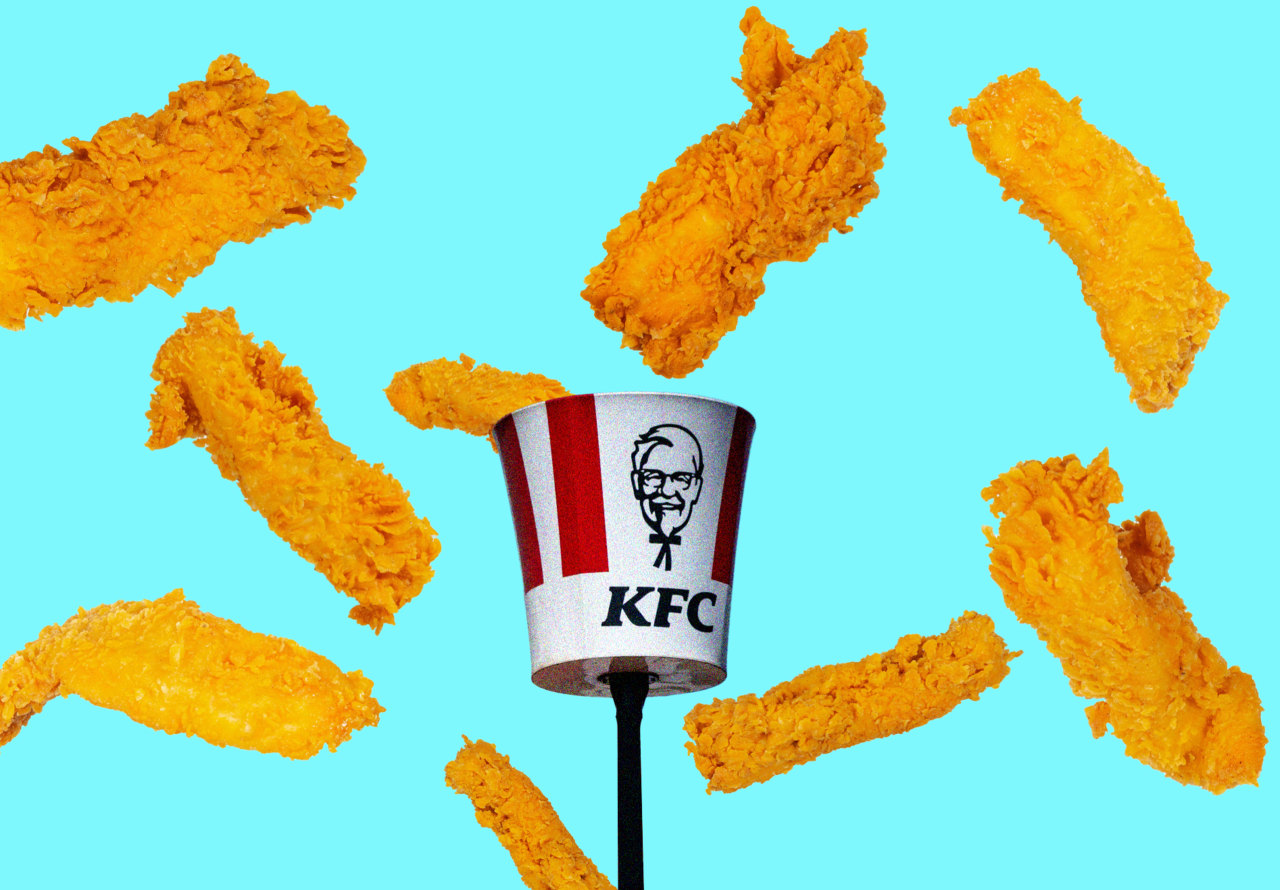
KFC is globally expanding its chicken tender and sandwich offerings, moving away from bone-in chicken, to meet increasing consumer demand for convenient, portable food options. This strategic shift aims to boost sales, enhance operational efficiency, and adapt to evolving fast-food consumption patterns.
KFC, a subsidiary of Yum! Brands (NYSE: YUM), is significantly reorienting its global menu strategy to capitalize on the surging consumer preference for chicken tenders and sandwiches over traditional bone-in chicken. This pivot reflects a broader industry trend where convenience and portability are driving demand in the fast-food sector.
The shift is particularly pronounced in international markets, where KFC plans to expand its tenders and sandwiches offerings. This move is a direct response to changing consumer habits, as on-the-go consumption increasingly favors easy-to-eat formats. While specific financial projections were not detailed, such a strategic adjustment is intended to bolster sales volumes and market share in a highly competitive quick-service restaurant (QSR) landscape.
The emphasis on tenders and sandwiches aligns with operational efficiencies as well. These items often have simpler preparation processes compared to varied bone-in cuts, potentially streamlining kitchen operations and reducing waste. For franchisees, this could imply optimized inventory management and reduced labor costs associated with specialized preparation.
From a supply chain perspective, a concentrated focus on specific chicken cuts could lead to more predictable demand for suppliers, though it may also intensify competition for those particular cuts, potentially influencing input costs. The overall economic implication for KFC is a strategic alignment with evolving consumer preferences, aiming to secure future revenue growth and operational stability amidst changing market dynamics.
Analyst's Take
This strategic pivot by a major QSR player hints at broader inflationary pressures on food services, where simpler, high-margin items like tenders allow for better cost control than varied bone-in portions. It foreshadows potential shifts in commodity futures for specific chicken cuts, with implications for poultry producers who may need to reallocate production capacity, and could precede similar menu simplifications across other QSR chains facing persistent input cost volatility.


