MarketsMarketWatchJun 8, 2026· 1 min read
IRS Audit Trends: High-Income Earners See Reduced Scrutiny Under Trump Administration
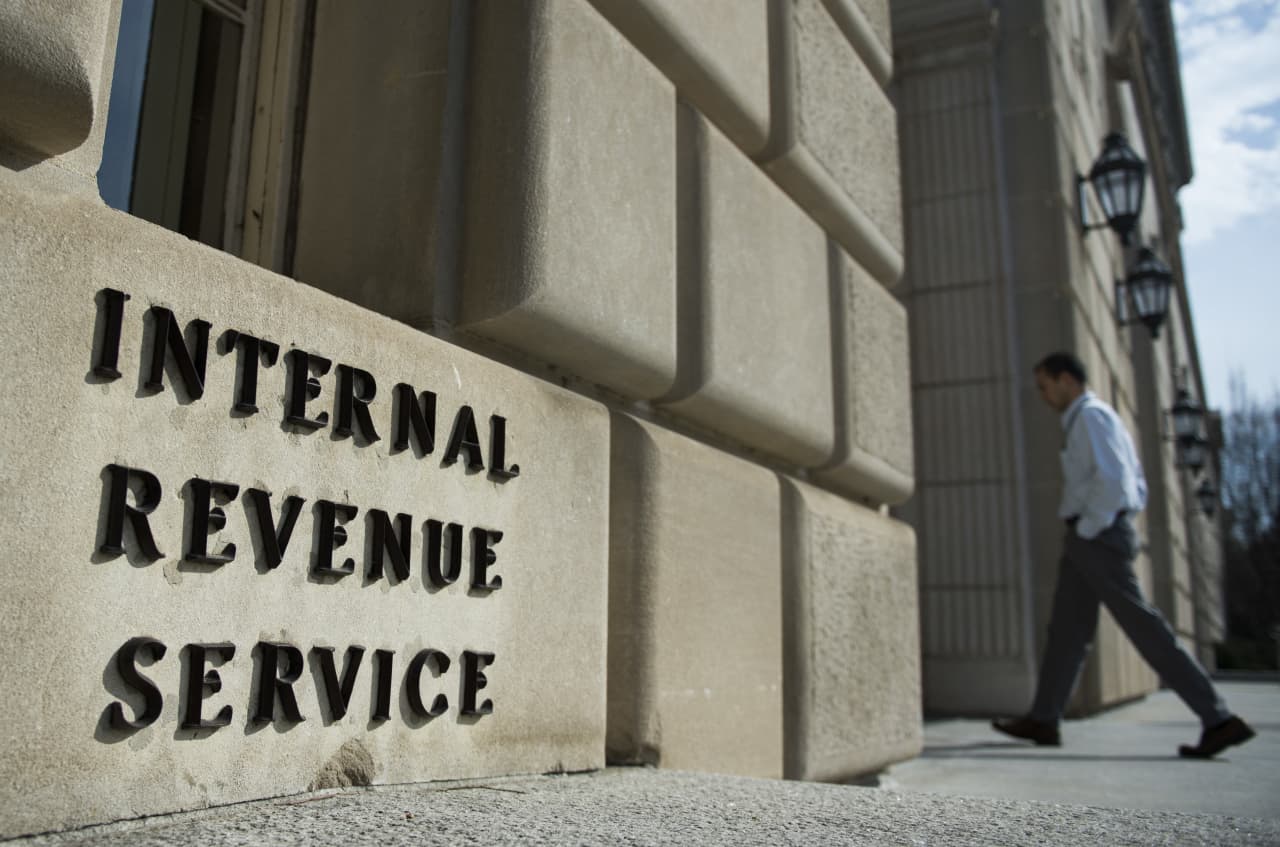
IRS audit data from the second Trump administration indicates a notable decline in scrutiny for high-income earners, specifically those making over $1 million annually. This shift in enforcement could impact government revenue and influence tax compliance behaviors among wealthy individuals.
A recent analysis of IRS audit activity during the second Trump administration reveals a significant shift in enforcement priorities, with high-income individuals experiencing a marked reduction in audit rates. Data indicates that taxpayers earning over $1 million annually saw their audit probability decrease considerably compared to previous periods. This trend suggests a strategic reallocation of IRS resources, potentially influenced by budgetary constraints or a revised enforcement philosophy.
Conversely, the report highlights a relative stability in audit rates for lower and middle-income brackets, indicating that the agency's focus may have shifted away from complex, high-net-worth cases. This adjustment in audit intensity for top earners could have several economic implications. For one, it may reduce the compliance burden for wealthy individuals and corporations, potentially influencing investment decisions and capital flows. Critics argue that a decline in audits for high-income taxpayers could exacerbate income inequality and reduce the collection of taxes owed from those with the most complex financial arrangements.
From a fiscal perspective, a reduction in high-value audits could impact government revenue, particularly if uncollected taxes from these segments are substantial. The effectiveness of the IRS in ensuring tax compliance across all income levels is crucial for maintaining the integrity of the tax system and funding public services. This new data provides insight into how administrative priorities can reshape tax enforcement and its broader economic consequences.
Analyst's Take
The observed decline in high-income audits, while potentially alleviating compliance costs for the wealthy, implicitly signals a lower perceived risk of non-compliance for this segment, which could have long-term behavioral implications for tax planning and declared income. This trend, if sustained, could contribute to a widening of the effective tax rate differential between high and lower-income groups, placing greater pressure on the latter for revenue generation, potentially exacerbating social and economic disparities.


