MacroBBC BusinessJul 2, 2026· 1 min read
Berlin Airport Warns of Unbearable Summer Delays Under New EU Entry System
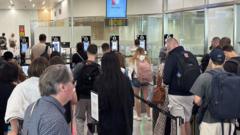
The head of Berlin's airport warns that the EU's new Entry-Exit System will cause 'unbearable' delays for holidaymakers this summer, citing insufficient infrastructure for increased processing times. This presents a significant economic challenge for the EU's travel and tourism sectors, risking revenue losses and reduced travel demand.
Jörg Schwitzer, the head of Berlin Brandenburg Airport (BER), has issued a stark warning regarding the potential for severe travel disruptions this summer, attributing the anticipated issues to the European Union's new Entry-Exit System (EES). The EES, slated for implementation, aims to register non-EU citizens' entry and exit data electronically, replacing manual passport stamping. Schwitzer emphasized that the current operational readiness and infrastructure are insufficient to handle the increased processing times per passenger, leading to what he described as 'not bearable' delays for holidaymakers.
The economic implications of prolonged border waits are significant for the travel and tourism sectors across the EU. Airports and airlines face potential revenue losses from missed connections, passenger compensation claims, and reduced travel demand if the experience becomes sufficiently deterrent. Businesses reliant on tourism, from hotels to local attractions, could also see a downturn in activity. Furthermore, supply chain efficiency could be impacted, albeit indirectly, if airport operational bottlenecks extend to cargo handling or if business travel becomes less predictable.
While the EES is designed to enhance border security and data collection, its rollout without adequate preparatory measures risks creating significant economic friction. The system requires biometric data collection and more thorough checks, which inherently consume more time per traveler compared to existing procedures. Airport operators across the EU are reportedly grappling with the necessary infrastructure upgrades and staff training, indicating that Berlin's concerns may reflect a broader, systemic challenge within the bloc's travel ecosystem.
Analyst's Take
While immediately impacting tourism, the EES rollout's broader economic risk lies in its potential to undermine business travel efficiency and supply chain predictability if airport congestion becomes systemic. The market may be underestimating the cumulative drag on productivity and investor sentiment that could emerge if these operational hurdles persist beyond peak travel seasons, creating disincentives for non-EU companies to locate operations or conferences within the bloc.

