MarketsMarketWatchAug 7, 2026· 1 min read
Inflation and Social Media Drive Up Back-to-School Spending
Inflation and social media trends are significantly increasing back-to-school spending, pushing household budgets to their limits. Viral 'haul' content on platforms like TikTok and YouTube is driving demand for non-essential and often expensive items, compounding the impact of rising costs for basic supplies.
Back-to-school spending for the current academic year is seeing significant upward pressure, driven by a dual impact of persistent inflation and the growing influence of social media trends. Parents nationwide are facing increasingly stretched budgets as the cost of essential school supplies, apparel, and technology continues to rise. This inflationary environment is compounding the financial burden on households, particularly those with multiple children.
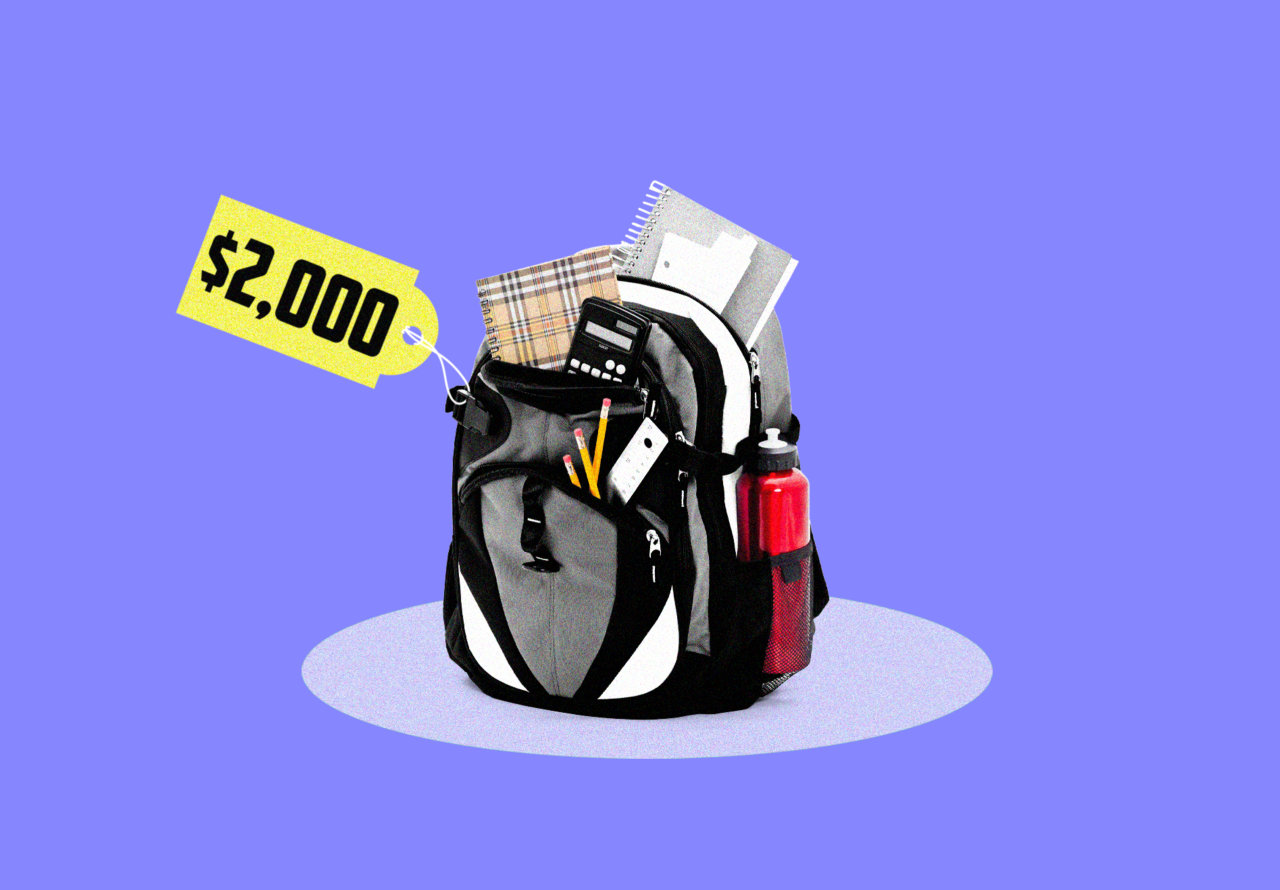
Simultaneously, platforms like TikTok and YouTube are fostering a culture of aspirational consumption, where viral 'back-to-school hauls' showcase extensive and often high-priced items. These trends can create a perceived need for students to acquire specific, fashionable, or branded goods, influencing parental purchasing decisions beyond basic necessities. The phenomenon is contributing to what some observers are calling 'budget-breaking' expenditures, with individual instances, such as a parent reportedly spending $2,000 on a kindergartner, highlighting the extent of this trend.
The economic implications extend beyond individual household budgets. Increased consumer spending in this category, while potentially a boost for retail sectors in the short term, could exacerbate inflationary pressures if demand outpaces supply or if businesses pass on higher input costs. Furthermore, the disproportionate spending spurred by social media could contribute to a widening wealth gap perception among students, potentially leading to social and economic implications within school environments. Retailers, acutely aware of these trends, are likely to continue leveraging social media to drive sales, further embedding these consumption patterns into the annual back-to-school cycle.
Analyst's Take
While seemingly a micro-level consumption trend, the sustained social media influence on spending patterns, particularly in discretionary categories, acts as a subtle inflationary amplifier. This digital-driven demand could sustain elevated price points for specific goods even as broader inflation moderates, creating a sticky component of consumer prices for families with school-aged children. Retailers are gaining significant pricing power in this segment, masking underlying economic weaknesses.


