MarketsMarketWatchJul 17, 2026· 1 min read
World Cup Drives Unexpected Economic Wins Beyond On-Field Performance
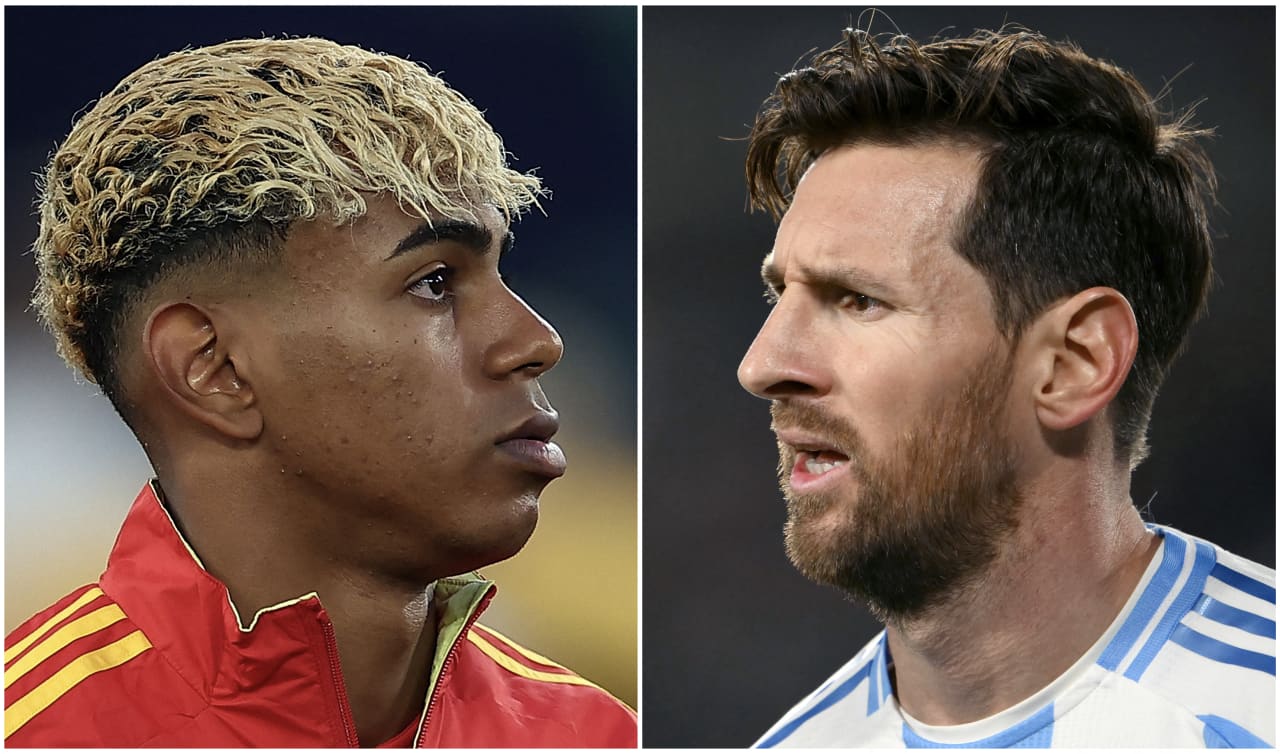
The 2022 FIFA World Cup generated substantial economic benefits beyond traditional sports revenues, boosting advertising spending and retail sales globally. Unexpected brands achieved significant market penetration through viral marketing and social media engagement, demonstrating the broader economic multipliers of major international events.
The FIFA World Cup 2022, culminating in the Spain vs. Argentina final, has generated significant economic impact extending far beyond traditional broadcasting revenues and ticket sales. While Qatar's direct investment in infrastructure and hosting was substantial, the global spectacle has proven a boon for diverse sectors leveraging the tournament's massive audience.
Advertising spending surged across various media platforms, with brands vying for consumer attention during the highly viewed matches. This influx of ad dollars benefited broadcasters, digital media companies, and content creators, reflecting the tournament's unparalleled reach. Retail sales also saw a boost in categories ranging from merchandise and fan apparel to hospitality and food services, as consumers engaged in communal viewing experiences and celebrations.
Beyond direct consumer spending, the World Cup fostered a vibrant ecosystem of viral marketing and social media engagement. Brands that effectively integrated into the tournament's cultural conversation, sometimes through unconventional or humorous campaigns, achieved significant organic reach and brand awareness. This underscores the evolving landscape of sports marketing, where digital virality can translate into substantial economic value, even for niche products or services. The tournament's ability to drive global conversation and generate cultural moments created unique opportunities for brands to connect with audiences, highlighting the indirect economic multipliers inherent in major international events.
Analyst's Take
The widespread, often unexpected, brand engagement during the World Cup signals a shift in consumer attention from traditional media to interactive, shareable content, potentially impacting future marketing budget allocations towards digital virality over conventional ad placements. This dynamic could lead to a re-evaluation of media asset values for future major events, with greater emphasis placed on platforms enabling organic, real-time engagement rather than solely viewership numbers.


