MarketsMarketWatchJul 20, 2026· 1 min read
Gasoline Price Surge Outpaces Crude: 'Crack Spread' Widens
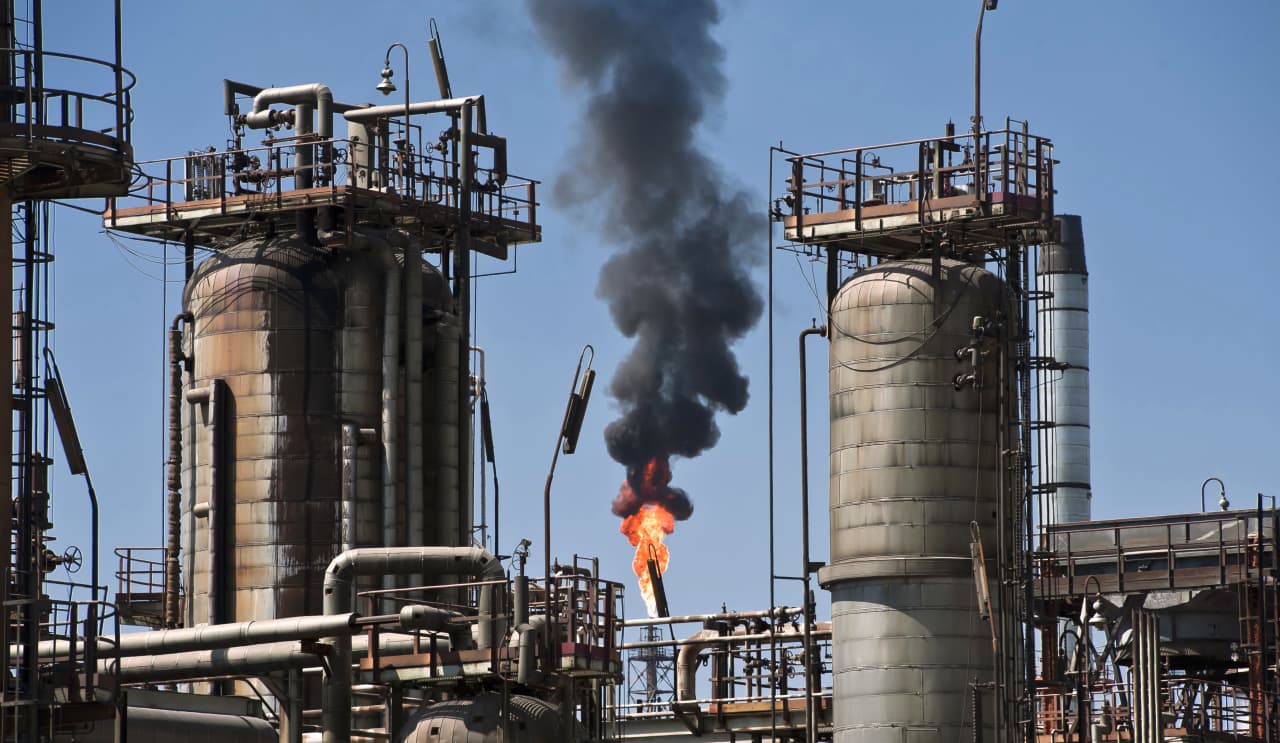
Gasoline prices are rising at a faster rate than crude oil prices due to a sharp widening of the 'crack spread,' the refining margin between gasoline and crude. This indicates strong demand for refined products and increased profitability for refiners.
Gasoline prices are experiencing a more rapid ascent than crude oil prices, a phenomenon attributed to a significant widening of the 'crack spread.' This key refining margin, which represents the difference between the wholesale price of refined petroleum products like gasoline and the cost of crude oil, has expanded sharply in recent weeks.
The widening spread indicates increased profitability for refiners, as the value of their output is appreciating faster than their primary input cost. While the article content is concise, it points to a critical market dynamic: the demand for refined products is outstripping the immediate supply or refining capacity, even if crude oil supply remains relatively stable or its price growth is more modest.
This divergence can be driven by several factors, including seasonal demand increases (such as the upcoming summer driving season), unexpected refinery outages, or shifts in regional supply-demand balances. When refining capacity is constrained or operating at high utilization rates, even minor disruptions can disproportionately impact refined product prices. The robust crack spread signals strong underlying demand for gasoline, implying sustained consumer activity or limited elasticity in fuel consumption despite rising costs.
The economic implication is a direct increase in costs for consumers and businesses reliant on gasoline, potentially impacting discretionary spending and operating expenses. For refiners, however, it presents a period of robust margins, which could incentivize increased throughput where possible, or signal a need for greater investment in refining capacity over the longer term if the trend persists.
Analyst's Take
The widening crack spread, while profitable for refiners, acts as a regressive tax on consumers and small businesses, potentially dampening discretionary spending more broadly than headline inflation metrics suggest. This could manifest as a leading indicator of softer retail sales or increased cost pressures for logistics-dependent industries in the next quarter, even as crude prices stabilize.


