MacroBBC BusinessAug 3, 2026· 1 min read
Middle East Tanker Threats Escalate Amid Shipping Route Diversions
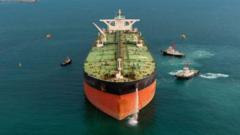
Threats to oil tankers in the Middle East have escalated to their highest level since the Iran-Iraq War, driven by attacks on both primary and alternative shipping routes. This situation increases transit times and costs for global trade, impacting supply chains, insurance markets, and energy prices.
Shipping analysts report that the threat to oil tankers operating in the Middle East has reached its most severe point since the initial phase of the Iran-Iraq War. This assessment follows a series of recent attacks on alternative maritime routes, exacerbating an already complex operational environment for global shipping.
Traditionally, a significant portion of global oil transit, estimated at around 15%, navigates through the Bab el-Mandeb strait and the Red Sea. Recent Houthi attacks have forced many shipping companies to re-route vessels around the Cape of Good Hope, a significantly longer and costlier journey. This diversion adds approximately 10-14 days to transit times between Asia and Europe, increasing fuel consumption and operational expenses for carriers. The economic ramifications are considerable, impacting supply chain efficiencies and potentially raising consumer prices for a range of goods.
However, the latest reports indicate that even these alternative routes are now facing heightened risks. While specific details of the 'fresh attacks' are limited, the implication is a broadening geographic scope of maritime insecurity. This development could further strain global shipping capacity and insurance markets, driving up premiums and potentially deterring some operators from critical trade lanes. The persistent insecurity adds a significant risk premium to crude oil prices and refines product costs, as market participants factor in potential delays, disruptions, and higher transportation expenses. For energy-importing nations, this translates to increased import bills and inflationary pressures, while exporting nations face higher logistics costs that could erode profit margins.
Analyst's Take
The escalating maritime insecurity, now impacting alternative routes, signals a broader weaponization of trade choke points beyond the Red Sea. This could pressure insurance markets to re-evaluate risk profiles for an expanding geographic area, potentially creating new 'war risk' zones and leading to a bifurcated shipping market where only well-resourced or government-backed entities can afford to operate in certain regions, thereby impacting global trade flow efficiency more profoundly than simple re-routing.

