EnergyOilPrice.comAug 1, 2026· 1 min read
AI's Power Demand: Grid Strain Beyond Capacity Concerns
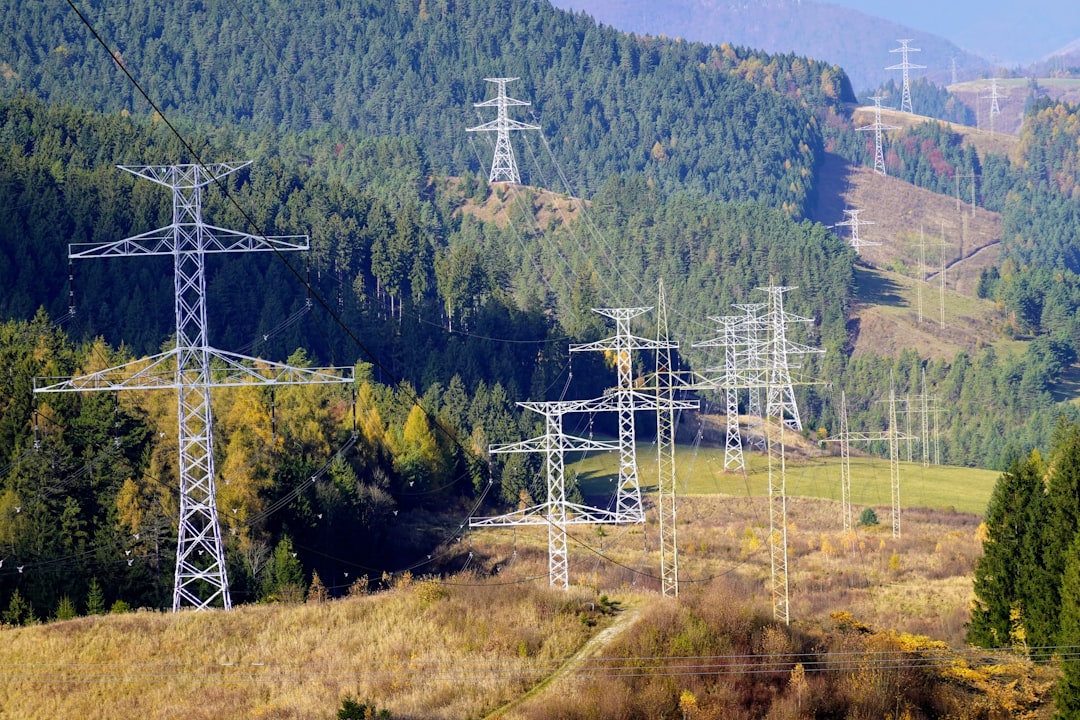
AI data centers' electricity demand is projected to double globally to 950 TWh by 2030, with AI-specific consumption tripling. The primary economic challenge is not merely capacity, but the inflexible, constant power draw that strains grid stability and requires continuous, dispatchable energy sources.
The burgeoning electricity consumption of Artificial Intelligence (AI) data centers is poised to significantly challenge global power grids, according to recent projections. While often framed as a straightforward supply-versus-demand issue, the core problem lies in the inherent inflexibility of AI's power requirements. Global data center electricity consumption reached an estimated 485 terawatt-hours (TWh) in 2025.
Forecasts from the International Energy Agency indicate a near doubling of this demand to approximately 950 TWh by 2030. Within this trajectory, AI-specific facilities are anticipated to see their electricity consumption triple. This rapid escalation in demand necessitates substantial investment in new power generation capacity and grid infrastructure. However, the continuous, always-on operational nature of AI computations means these data centers require a constant, uninterrupted power supply, making it difficult for utilities to leverage intermittent renewable energy sources or respond effectively to demand fluctuations.
Traditional electricity grids are designed with some degree of flexibility, accommodating peak and off-peak demands through a mix of baseload and peaker plants. AI data centers, by contrast, present a high and steady baseload demand that lacks the elasticity seen in other industrial or residential consumption patterns. This inflexibility exacerbates the challenge for utilities, demanding more dispatchable power sources and potentially leading to higher electricity prices and grid instability if not adequately addressed through strategic infrastructure development and potentially innovative demand-side management solutions tailored for AI operations.
Analyst's Take
The market may be underestimating the second-order inflationary pressure stemming from AI's inflexible power demand. This continuous baseload requirement will disproportionately drive up natural gas prices, as it's the most reliable and scalable 'peaker' in the absence of advanced nuclear or large-scale grid storage, creating a floor for energy costs that permeates manufacturing and consumer prices long before new generation capacity comes online.