MarketsMarketWatchApr 27, 2026· 2 min read
Oil Surpasses $100 as US-Iran Tensions Escalate, Hormuz Offer Surfaces
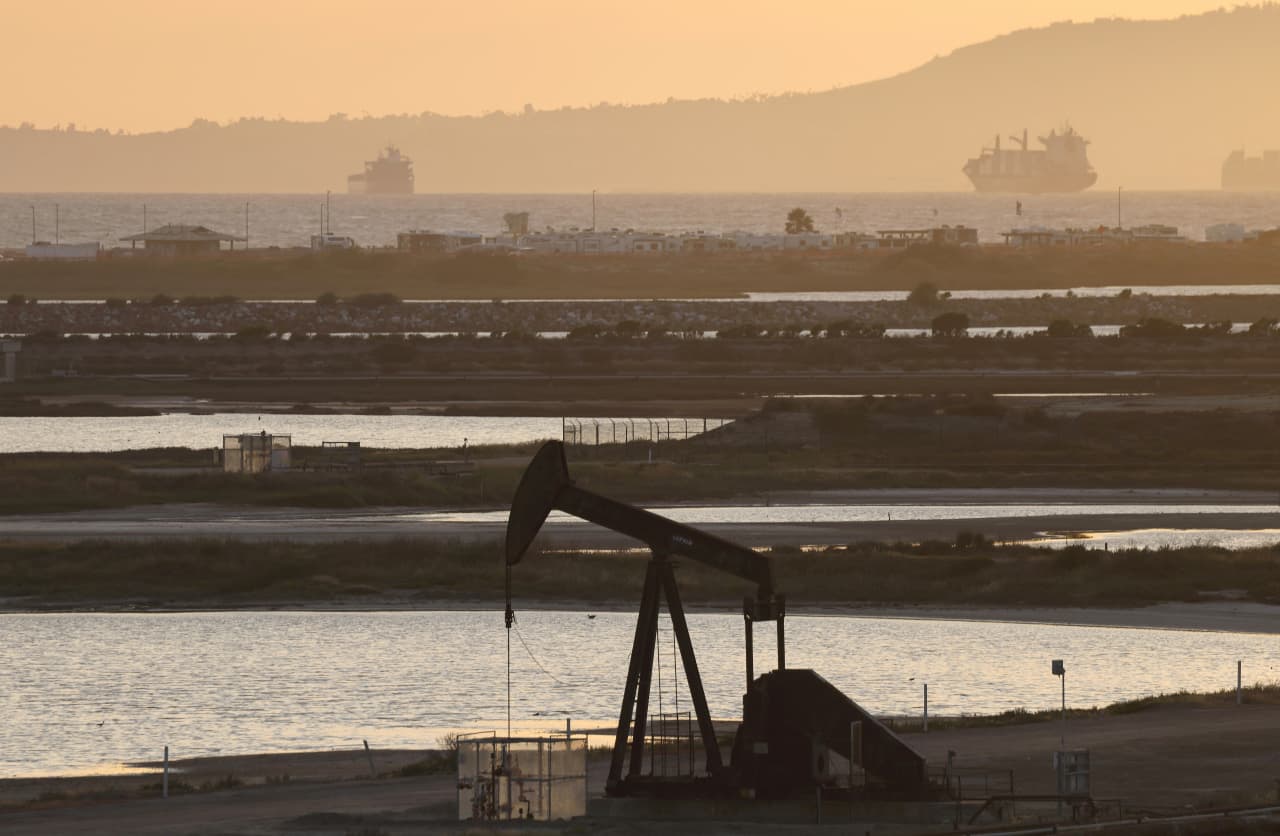
Global oil prices surged past $100 a barrel after the cancellation of US-Iran peace talks heightened geopolitical tensions. Iran's subsequent offer to reopen the Strait of Hormuz, a key oil transit route, did little to immediately calm market jitters.
Global crude oil prices breached the $100 per barrel mark on Monday, driven by a fresh escalation in geopolitical tensions between the United States and Iran. The price surge follows the abrupt cancellation of planned peace talks by President Donald Trump's administration, which had aimed to de-escalate the long-standing dispute. West Texas Intermediate (WTI) and Brent crude benchmarks both saw significant gains, reflecting market apprehension over potential supply disruptions.
The cancellation of the diplomatic overture effectively removed immediate prospects for a reduction in U.S.-Iran hostilities. This development immediately impacted energy markets, pushing crude futures higher as traders priced in a heightened risk premium. Geopolitical risk factors, particularly concerning stability in the Middle East, often have a direct and immediate effect on global oil prices due to the region's pivotal role in crude production and transportation.
Adding a layer of complexity to the situation, Tehran subsequently offered a proposal to reopen the Strait of Hormuz. This vital maritime chokepoint, through which a significant portion of the world's seaborne oil passes, has been a focal point of past tensions and threats of closure. While the offer to reopen the strait could, in theory, alleviate some supply concerns, its timing and context within the broader diplomatic breakdown suggest it is a conditional maneuver rather than an immediate de-escalatory step. The market's primary reaction, however, remained focused on the increased geopolitical friction, outweighing any potential positive implications of the Strait of Hormuz offer in the immediate term.
Economically, sustained high oil prices could impact global inflation trajectories and consumer spending, particularly in energy-importing nations. Businesses reliant on transportation and logistics could face increased operational costs, potentially leading to upward price pressures across various sectors. The energy market's volatility underscores the sensitivity of global commodity prices to geopolitical events, highlighting the intricate link between international relations and economic stability.
Analyst's Take
While the immediate market reaction points to geopolitical risk, the offer to reopen the Strait of Hormuz, even amidst canceled talks, suggests Iran may be signaling a desire for leverage in future negotiations rather than imminent confrontation. The true test for oil prices won't be today's headlines, but the sustainability of compliance and the effectiveness of secondary sanctions, which could lead to a 'fatigue' in price premiums if enforcement wanes over time, potentially impacting long-dated futures more than prompt contracts.


