MarketsMarketWatchMay 29, 2026· 1 min read
Wearable Tech Drives Health Data Economy Amidst Subscription Surge
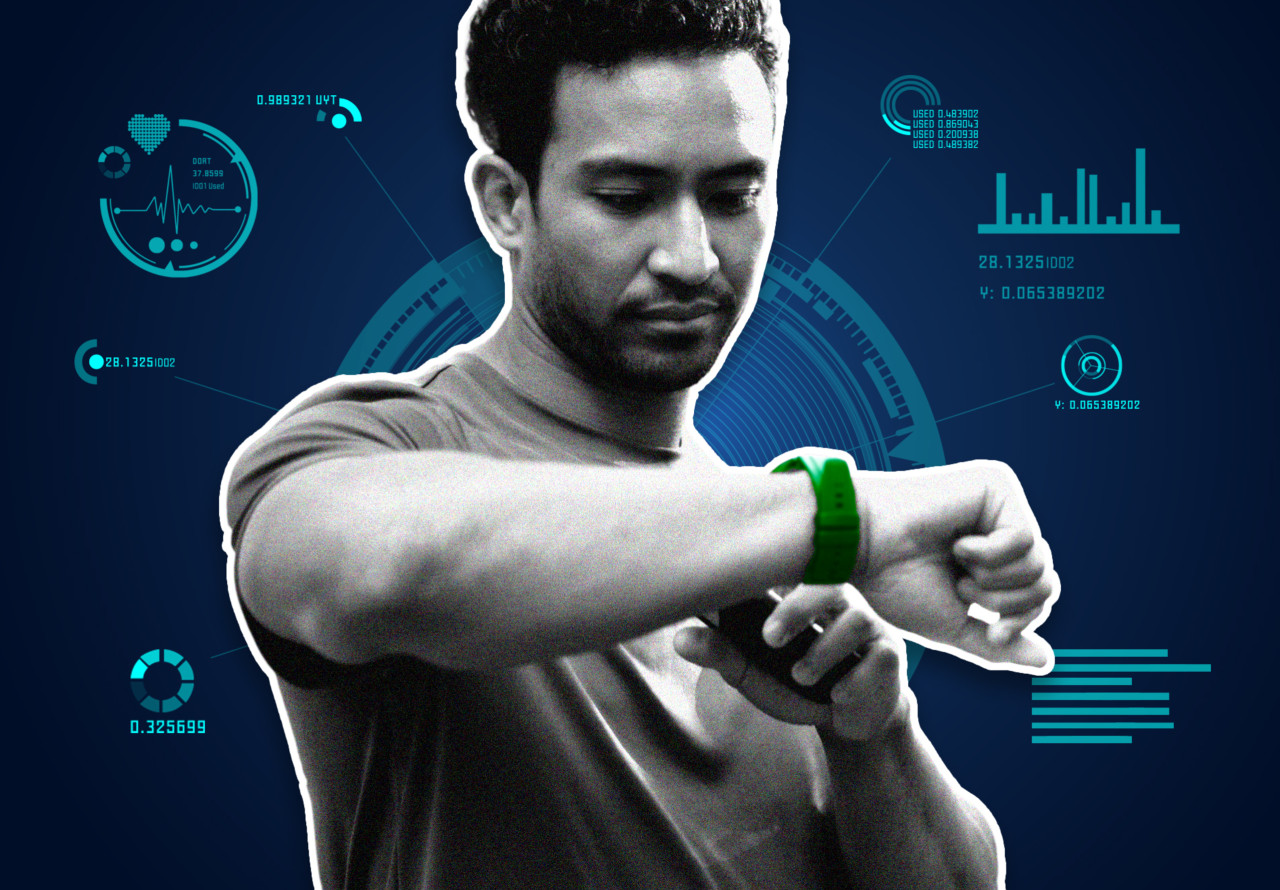
The U.S. wearable technology market is expanding, with consumers adopting devices like Oura and Fitbit that integrate with AI for health data analysis and test ordering. This growth is fueling a subscription-based economy, with users paying significant annual fees for access to advanced features and personalized health insights.
The U.S. wearable technology market is experiencing significant growth, driven by advanced devices from companies like Oura and Fitbit. These wearables, encompassing watches, bands, and rings, are increasingly integrated with artificial intelligence (AI) platforms, allowing users to share extensive health data. This integration facilitates personalized health insights and, in some cases, enables direct ordering of medical tests through the device manufacturers themselves.
A key economic implication is the burgeoning subscription economy surrounding these devices. Consumers are consistently paying hundreds of dollars annually in subscription fees to access the full suite of features and data analytics offered by these platforms. This revenue model represents a stable, recurring income stream for manufacturers beyond initial hardware sales, potentially boosting their valuations and investment appeal. The aggregation and analysis of this vast health data also create new opportunities in the personalized medicine and preventative healthcare sectors, although privacy and data security concerns remain a pertinent discussion point.
From a consumer spending perspective, the willingness to pay for these devices and recurring subscriptions indicates a growing prioritization of personal health monitoring and a perceived value in the actionable insights derived from the data. This trend supports further innovation and investment in the digital health sector, potentially shifting healthcare expenditure towards preventative measures rather than reactive treatments. The market's expansion reflects a broader societal movement towards quantified self-optimization and tech-enabled wellness, influencing consumer discretionary spending patterns and technology adoption rates across various demographics.
Analyst's Take
The rise of wearable tech subscriptions signals a broader shift in consumer discretionary spending, moving beyond traditional entertainment and fitness services into proactive health management. This trend could exert deflationary pressure on long-term healthcare costs by shifting focus to prevention, a factor not yet fully priced into healthcare sector equities but potentially a significant long-term tailwind for digital health innovators. The timing suggests a forthcoming M&A wave as traditional healthcare providers seek to integrate these data streams into their service offerings.


