MacroBBC BusinessJul 31, 2026· 1 min read
Sainsbury's Divests Argos Property Portfolio for £120M
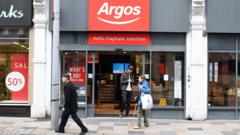
Sainsbury's has agreed to sell its Argos property portfolio for £120 million. Despite the divestment, Argos operations, including in-store concessions, Habitat product sales, and Nectar points integration, will continue within Sainsbury's retail network.
Sainsbury's has announced an agreement to sell its Argos property portfolio for approximately £120 million. The strategic move involves the divestment of a significant portion of Argos's physical real estate assets while maintaining its operational presence within Sainsbury's retail ecosystem.
Under the terms of the deal, Argos will continue to operate its popular 'store-in-store' format within Sainsbury's supermarkets, ensuring continued customer access and synergy between the two brands. Furthermore, the agreement stipulates the ongoing sale of Habitat products through Argos channels, leveraging existing supply chains and brand recognition. The Nectar loyalty program, a key customer retention tool for Sainsbury's, will also remain integrated with Argos transactions, preserving value for existing cardholders and encouraging cross-brand engagement.
This transaction represents a recalibration of Sainsbury's asset base, focusing on capital optimization and operational efficiency. The divestment of the property portfolio frees up capital that can be deployed into core grocery operations, digital infrastructure, or debt reduction, potentially improving the company's financial leverage and profitability metrics. While the upfront cash injection is notable, the ongoing operational agreements suggest a strategic commitment to the Argos brand's value proposition within the broader Sainsbury's group, albeit with a reduced physical footprint liability. The deal underscores a broader trend in the retail sector towards asset-light models, prioritizing brand and customer relationships over extensive real estate ownership.
Analyst's Take
This deal signals a subtle shift in Sainsbury's capital allocation strategy, moving towards a more asset-light model that could precede further consolidation or optimization within its broader property holdings. The market might be overlooking the potential for increased dividend payouts or share buybacks as freed capital is deployed, rather than solely focusing on the immediate balance sheet impact, especially if this sets a precedent for monetizing other non-core assets.

