EnergyChannel News Asia BusinessApr 26, 2026· 1 min read
Northern Japan Wildfires Threaten Economic Stability, Infrastructure
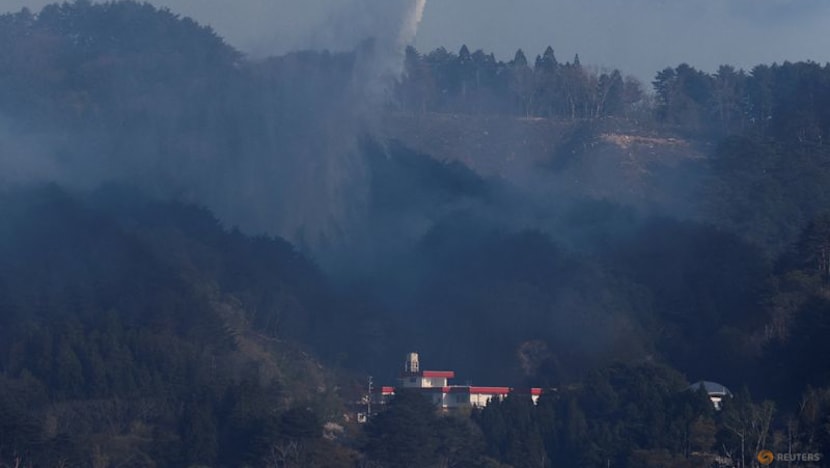
Wildfires are burning for a fifth day in northern Japan, necessitating the deployment of 1,400 firefighters and threatening a town previously impacted by the 2011 tsunami. The ongoing situation poses risks to regional economic stability, infrastructure, and agricultural supply chains.
Wildfires continue to rage across northern Japan for a fifth consecutive day as of Sunday, April 26th, prompting the deployment of 1,400 firefighters. The ongoing infernos pose an immediate threat to local communities, particularly one town that has already experienced a significant population decline, losing nearly 10% of its residents following the devastating March 2011 earthquake and tsunami.
The economic implications extend beyond immediate property damage and emergency response costs. Persistent wildfires can disrupt regional supply chains, especially those reliant on local agricultural output or forestry, if the fires encroach on productive land. Infrastructure, including transportation routes and power transmission lines, is also at risk, potentially causing temporary outages and logistical bottlenecks that impede economic activity.
Furthermore, the long-term environmental consequences, such as soil erosion and reduced air quality, could impact tourism and resource-based industries, creating a drag on regional economic recovery efforts. For a nation highly sensitive to natural disaster preparedness and mitigation, this event underscores the increasing costs and resource allocation required to manage climate-related risks. The repeated strain on emergency services and local governments from such events can divert funds and personnel from other public investment or economic development initiatives.
Analyst's Take
While immediately localized, the protracted nature of these fires, occurring in late April, signals a potentially longer and more intense wildfire season for Japan, impacting insurance premiums and long-term infrastructure investment decisions. The strain on national emergency resources could also divert fiscal capacity from other growth-oriented public spending, subtly dampening overall economic stimulus efforts over the coming quarters.