MarketsMarketWatchJun 30, 2026· 1 min read
US Job Openings Surge, Signaling Labor Market Resilience Amid Hiring Caution
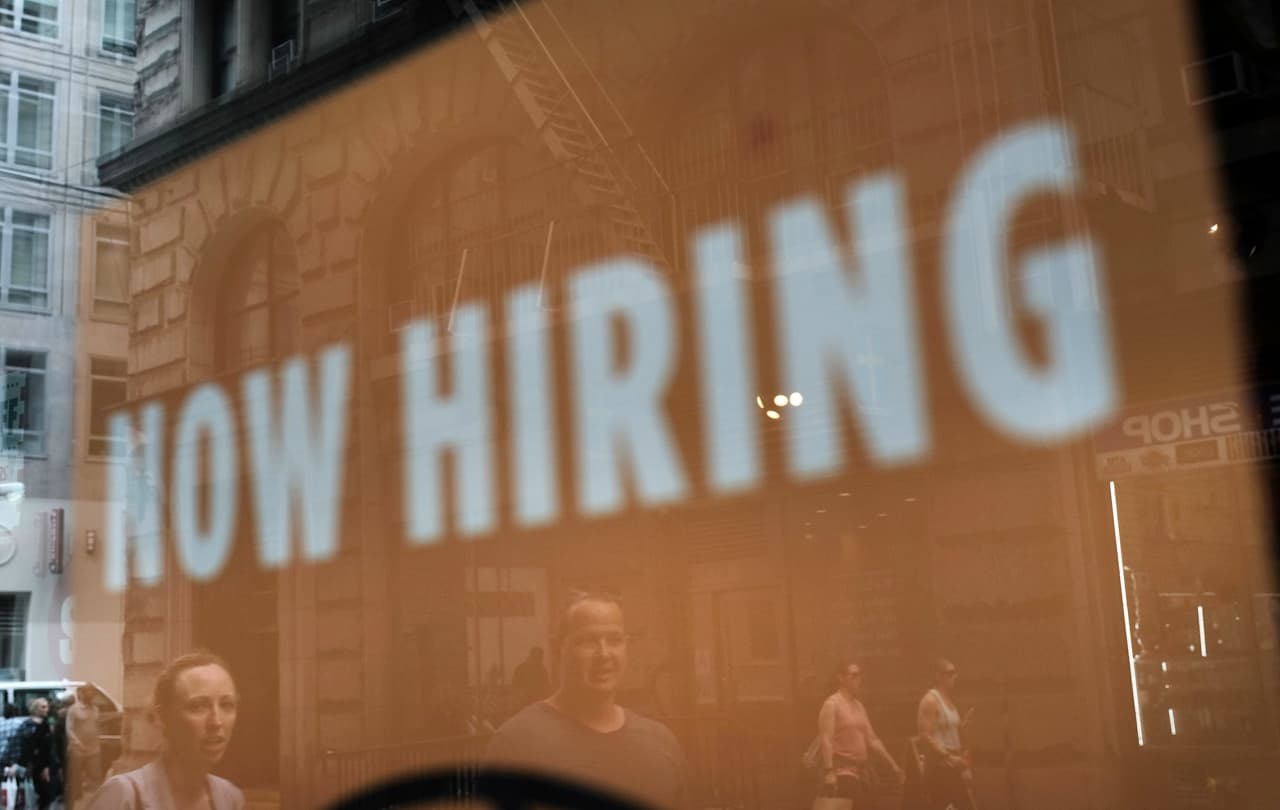
U.S. job openings have reached a two-year high, reversing a prior downward trend and signaling renewed labor demand. Despite the increase in vacancies, businesses are not accelerating hiring at a comparable pace, indicating a cautious approach to staffing.
U.S. job openings experienced an unexpected rebound in the latest reporting period, reaching a two-year high after a sustained period of decline. This increase in vacancies suggests a renewed — albeit cautious — demand for labor across various sectors, indicating resilience in the broader economy. The elevation in job postings could be interpreted as businesses anticipating future growth or filling existing needs that have gone unaddressed.
However, the rise in job openings does not immediately translate into a corresponding surge in hiring activity. Businesses appear to be maintaining a degree of prudence, with the number of actual hires not keeping pace with the expansion in available positions. This divergence suggests a potentially more selective hiring process or a lag between identifying the need for new employees and successfully onboarding them. Factors such as skills mismatches, wage expectations, or lingering economic uncertainty could contribute to this disconnect.
From an economic perspective, elevated job openings typically signal a robust labor market and potentially inflationary pressures as employers compete for talent. Should this trend of increasing vacancies continue without a significant uptick in unemployment, it could provide the Federal Reserve with additional justification to maintain a cautious stance on monetary policy. Conversely, a sustained gap between openings and hires might indicate structural issues within the labor market that could impede long-term economic expansion, even as demand exists.
Analyst's Take
The divergence between soaring job openings and more measured hiring could indicate a latent demand for labor that companies are reluctant to fully commit to due to persistent cost pressures or uncertainty around future demand, rather than a lack of available workers. This suggests that while inflationary pressures from the labor market might persist, a significant wage-price spiral could be mitigated by firms' cautious hiring, potentially leading to a more drawn-out disinflationary process than anticipated.


