EnergyOilPrice.comJun 3, 2026· 1 min read
Big Tech's AI Investments Face Rising Energy Cost Headwinds
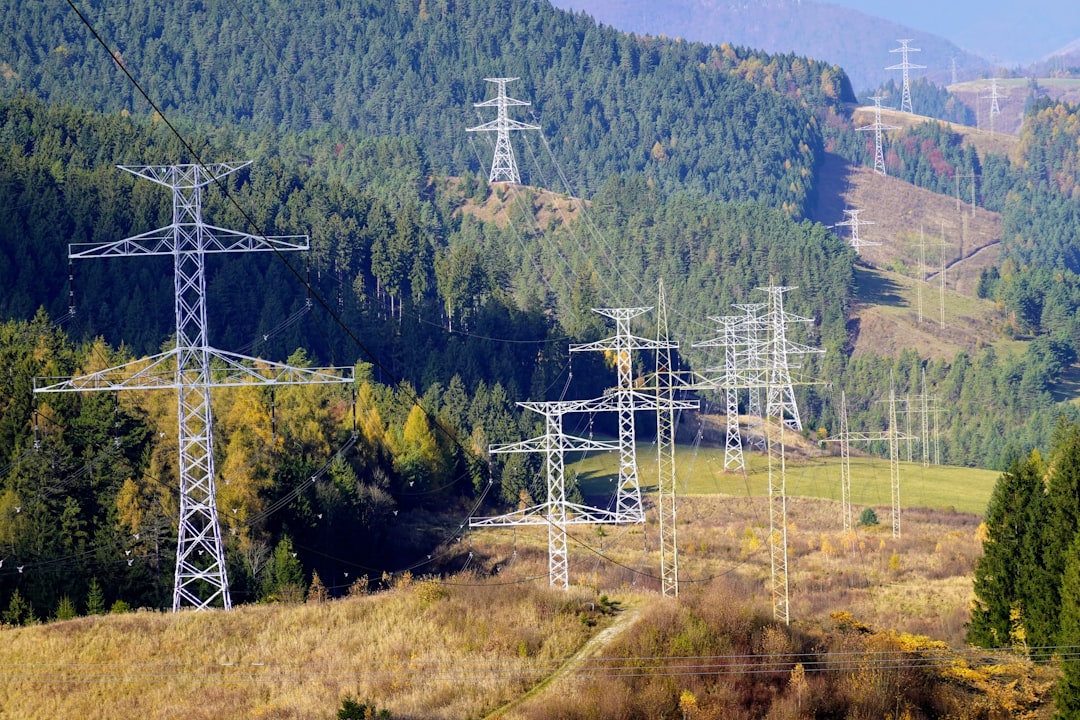
Big Tech's substantial investments in artificial intelligence are increasingly pressured by rising energy costs, with AI's high power consumption pushing up operational expenses. This necessitates a greater allocation of funds towards energy sourcing, potentially impacting the profitability and scalability of AI initiatives.
The burgeoning artificial intelligence sector, a key focus for major technology companies, is increasingly grappling with escalating energy costs. As Big Tech pledges tens of billions into AI development and deployment, the significant energy consumption of AI infrastructure is translating into higher operational expenses. This trend marks a shift where a larger proportion of AI investment may need to be allocated towards securing stable and affordable energy sources, rather than purely R&D or computational advancements.
Historically, the focus for AI infrastructure investment has been on chip development, data center capacity, and software innovation. However, the energy intensity of advanced AI models, particularly large language models and generative AI, is pushing electricity demand upwards. This surge in demand, coupled with already elevated energy prices in many regions, directly impacts the profitability and scalability of AI-driven services. Companies are now faced with the dual challenge of justifying substantial AI investments to users, who may in turn face higher costs for AI-powered applications, and managing the increasing operational burden posed by energy expenditure.
This development suggests a potential recalibration of investment strategies within the technology sector. While AI remains a strategic priority, the economic viability of certain AI ventures will increasingly depend on efficient energy management and the ability to mitigate rising utility expenses. The long-term implications could include greater emphasis on energy-efficient AI hardware and software, the exploration of proprietary power solutions, or a geographical shift in data center locations to regions with more favorable energy markets. The immediate impact is a tightening of margins and a more scrutinized return on investment for AI initiatives across the board.
Analyst's Take
The market is potentially underestimating the long-term capital expenditure implications for hyperscalers; as energy costs rise, expect a greater divergence in data center expansion strategies between companies with direct renewable energy sourcing capabilities and those reliant on grid power. This could manifest in a shift of investment from pure processing power to vertically integrated energy solutions, potentially impacting the power utility sector positively and creating new competition for traditional energy providers in the industrial segment.