EnergyOilPrice.comMay 30, 2026· 1 min read
Morocco Leverages Renewables for Energy Transition and Export Potential
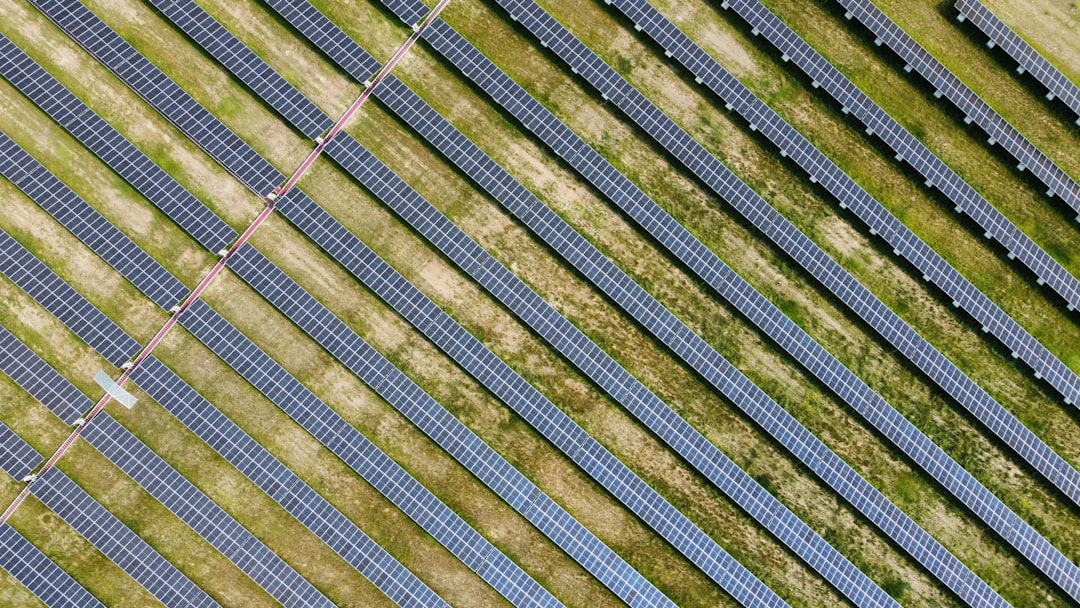
Morocco is rapidly advancing its renewable energy sector, aiming to transition from a fossil fuel-dependent nation to a major exporter of green energy and hydrogen. This strategic shift is driven by favorable natural conditions, private investment, and proximity to European markets, offering significant economic diversification and energy security benefits.
Morocco is strategically positioning itself as a significant player in renewable energy, driven by its abundant solar and wind resources and geographical proximity to Europe. The North African nation, historically reliant on fossil fuel imports and with approximately 60% of its electricity generated from coal, is actively pursuing a green transition. This shift aims to reduce energy dependence and capitalize on the growing global demand for clean energy.
The country has attracted substantial private investment, particularly in its solar energy sector, leading to rapid development. Beyond electricity generation, Morocco is now targeting ambitious projects in green hydrogen production and sustainable shipping infrastructure. These initiatives align with broader European Union decarbonization goals, creating a potential export market for Moroccan green energy.
Morocco's renewable energy strategy represents a proactive approach to economic diversification and energy security. By harnessing its natural advantages, the nation seeks to transform from a fossil fuel importer into a clean energy exporter, potentially impacting regional energy markets and global supply chains for green industrial inputs.
Analyst's Take
While currently a net energy importer, Morocco's aggressive pivot towards green hydrogen and renewable exports could trigger a 'green resource curse' paradox if not managed carefully. The sheer scale of potential European demand might lead to a disproportionate focus on export-oriented projects, potentially sidelining domestic energy access or local industrial integration. Bond markets might start reflecting this long-term export potential in sovereign debt spreads before equity markets fully price in the industrial transformation.