EnergyOilPrice.comJun 18, 2026· 1 min read
Court Upholds Offshore Wind Project, Bolstering U.S. Clean Energy Push
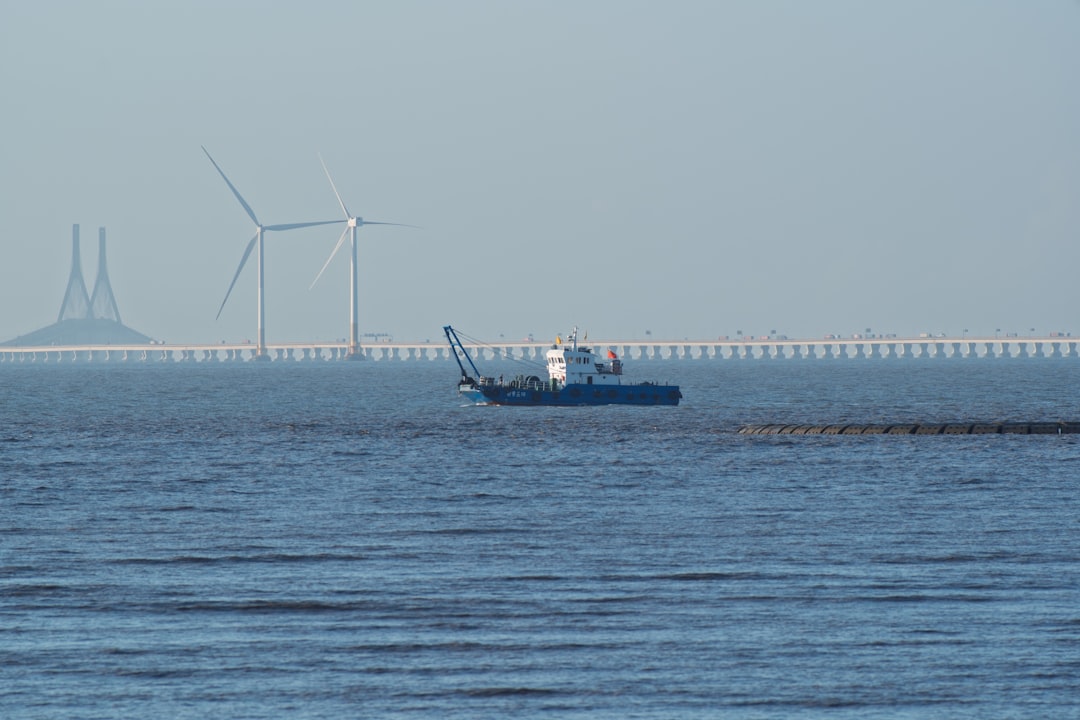
A federal court has upheld the Revolution Wind offshore project, rebuffing long-standing opposition and bolstering the legal framework for U.S. wind energy development. This ruling is expected to accelerate clean energy infrastructure investment and deployment, aiding states in meeting renewable energy targets.
A recent federal court ruling has upheld the construction of a major offshore wind farm, delivering a significant blow to long-standing opposition against wind energy development, particularly from former President Donald Trump. This decision effectively clears a key legal hurdle for the 130-turbine Revolution Wind project, a joint venture between Ørsted and Eversource. The project, located off the coasts of Rhode Island and Connecticut, is slated to generate 704 megawatts of electricity, enough to power over 350,000 homes.
The court's rejection of claims that the project's environmental impact statement was inadequate signals a stronger legal foundation for future offshore wind developments. This ruling is particularly noteworthy given the persistent legal challenges and political rhetoric that have historically targeted wind power, often citing concerns over aesthetic impact and perceived inefficiency. The sustained legal battles have contributed to delays and increased uncertainty for developers in the nascent U.S. offshore wind sector.
Economically, the validation of Revolution Wind provides a crucial boost to the burgeoning domestic renewable energy industry. Offshore wind projects represent substantial capital investments, driving job creation in manufacturing, construction, and specialized maritime services. Furthermore, successful deployment of such projects is critical for states and the federal government to meet ambitious clean energy targets and reduce reliance on fossil fuels. This contributes to energy independence and potentially stabilizes electricity prices in the long term, albeit with significant upfront infrastructure costs. The ruling could de-risk future investments in the sector, attracting more private capital and accelerating the deployment of renewable energy infrastructure across the United States.
Analyst's Take
While seemingly a win for renewables, this ruling also highlights the persistent regulatory and legal friction inherent in large-scale infrastructure projects, regardless of their environmental benefit. The real long-term economic impact will hinge on whether this legal clarity translates into streamlined permitting processes, as continued project-by-project litigation will negate much of the cost savings and deployment efficiency gains that the market currently anticipates.