MacroBBC BusinessJul 2, 2026· 1 min read
EU Upholds Google Android Antitrust Fine: €4.1 Billion Penalty Confirmed
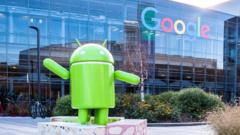
The EU General Court has largely affirmed a €4.125 billion antitrust fine against Google for using its Android operating system to illegally suppress competition. The ruling states Google leveraged its market dominance to mandate pre-installation of its search and browser apps, hindering rivals.
The European Union's General Court has largely upheld a 2018 antitrust decision against Google, confirming a €4.125 billion ($4.2 billion) fine for anti-competitive practices related to its Android mobile operating system. The original penalty, set by the European Commission, was €4.34 billion, marking a slight reduction in the final confirmed amount. The court found that Google imposed illegal restrictions on Android device manufacturers and mobile network operators to cement its dominant search engine position.
Specifically, the ruling points to Google’s requirement for manufacturers to pre-install Google Search and Chrome browser to license other Google apps, and payments to manufacturers for exclusively pre-installing Google Search. Additionally, Google was found to have hindered the development of competing Android operating systems. This decision concludes a multi-year legal battle, with Google initially fined in 2018 for leveraging Android's market position to disadvantage rival search engines and internet browsers.
Google has indicated its disappointment with the judgment, stating it fails to acknowledge the company's investment in maintaining an open Android ecosystem. The tech giant maintains that its model has fostered competition and innovation, benefiting both consumers and developers. While the fine represents a significant financial outlay, its primary economic impact is likely to be on Google's operational strategies within the EU market. The ruling may necessitate adjustments to how Google licenses its Android services and interacts with hardware manufacturers and mobile operators across the bloc, potentially opening avenues for competitors in search and browser markets on Android devices.
Analyst's Take
While the immediate financial impact on Google is substantial, the more significant, delayed effect will be observable in the EU mobile ecosystem's competitive landscape over the next 12-18 months. This ruling could catalyze increased investment and innovation from alternative search engines and browser developers, potentially fostering a more fragmented market for Android services within Europe and challenging Google's advertising revenue streams in the long term, which may not yet be fully priced into market expectations.

