MarketsMarketWatchMay 22, 2026· 1 min read
Hormuz Closure Risks 2008-Style Oil Shock, Analysts Warn
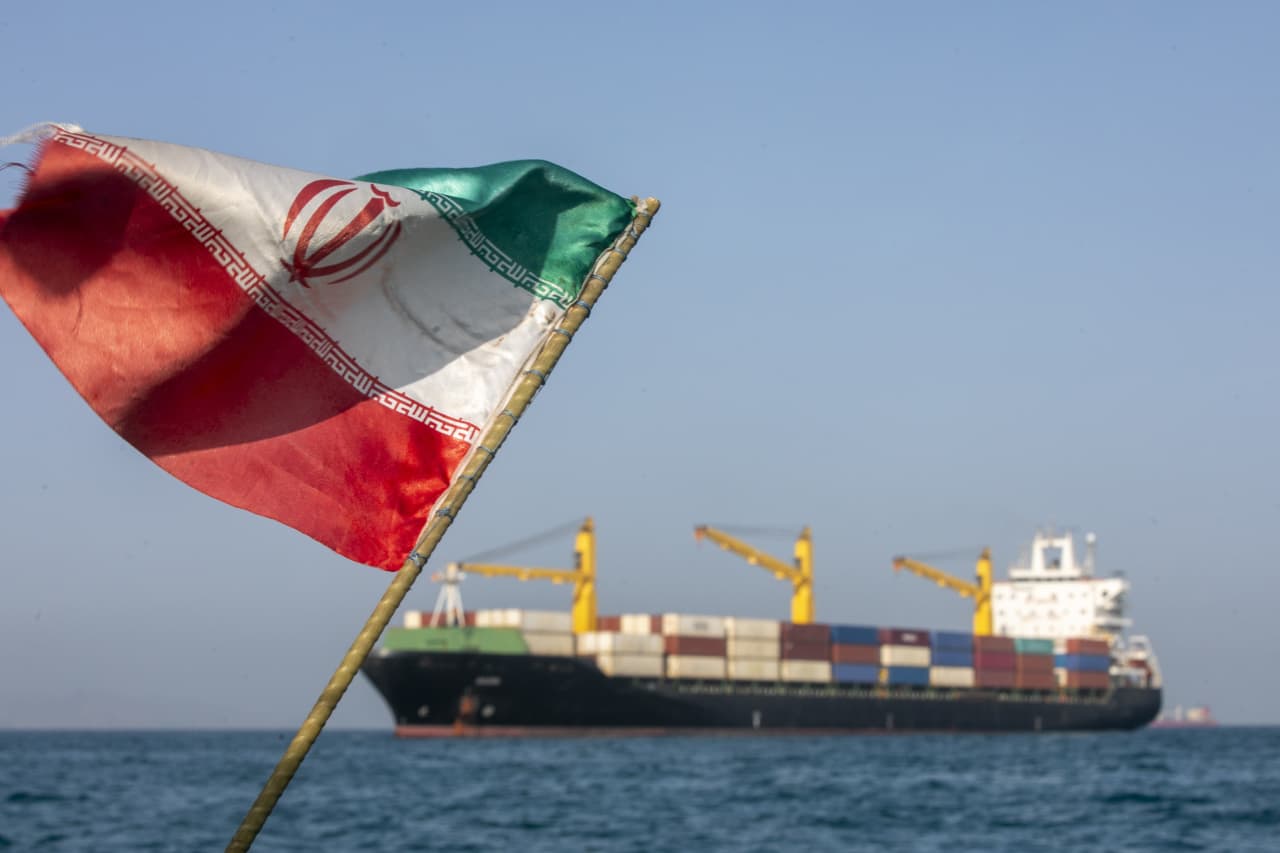
Analysts warn that a continued closure of the Strait of Hormuz beyond August could trigger a 2008-level oil price shock due to significant supply disruptions. This scenario would lead to substantial economic implications, including inflation, increased transportation costs, and dampened global economic growth.
Commodity market analysts are issuing a stern warning about the potential for a significant oil price surge if the Strait of Hormuz remains closed beyond the end of August. The strategic waterway, through which approximately one-fifth of global oil supply transits, is crucial for maintaining stability in international energy markets. A prolonged closure, regardless of its cause, could trigger a scenario reminiscent of the 2008 oil price spike, according to market observers.
The strait's closure would immediately curtail crude oil and refined product shipments from major Middle Eastern producers to global consumers. This supply shock would rapidly deplete strategic petroleum reserves and commercial inventories, pushing benchmark oil prices – WTI and Brent crude – significantly higher. The economic implications extend beyond direct energy costs, impacting sectors reliant on transportation and manufacturing, and potentially fueling broader inflationary pressures.
Analysts highlight that the current global oil market, while not identical to 2008, possesses vulnerabilities that could amplify the impact of a Hormuz disruption. Leaner inventories in some regions and geopolitical tensions in others could exacerbate the supply-demand imbalance. The ripple effect on global supply chains would be substantial, leading to increased shipping costs and potential delays for a wide array of goods. Furthermore, elevated energy prices could dampen consumer spending and investment, posing a headwind to global economic growth.
A rapid resolution to any potential closure would be critical to mitigate severe economic fallout. However, without a swift reopening, the commodity market is signaling significant upward price pressure, with implications for inflation, trade balances, and overall economic stability worldwide. The focus now turns to diplomatic efforts and contingency planning to avert what some are calling a potential 'train wreck' for the global economy.
Analyst's Take
While the headline focuses on oil prices, the true second-order impact lies in bond market volatility; a severe oil shock would compel central banks to choose between combating inflation via rate hikes into a likely slowdown, or tolerating inflation to support growth. The market currently underprices this central bank dilemma, potentially leading to sharp bond sell-offs if the Strait remains closed, as inflation expectations surge and growth forecasts decline simultaneously.


