EnergyOilPrice.comJul 23, 2026· 1 min read
AI's Dual Impact: Surging Energy Demand vs. Efficiency Gains in Clean Energy
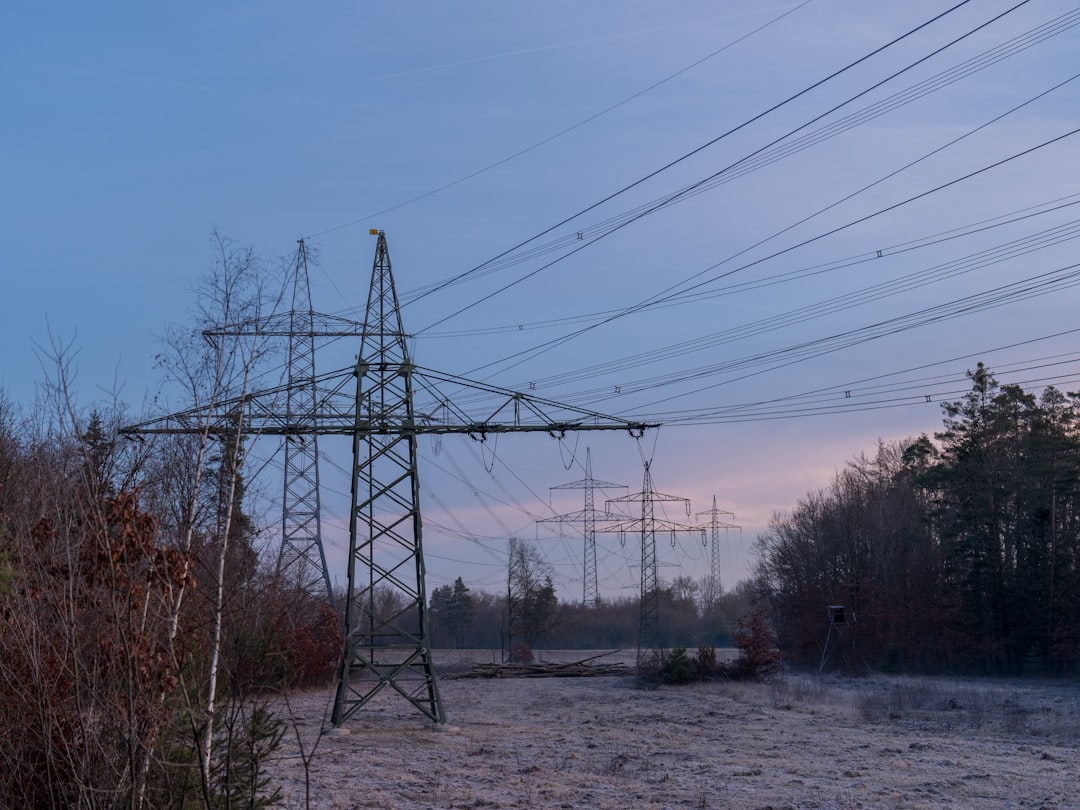
The rapid expansion of AI data centers is driving unprecedented growth in global energy demand, threatening to outpace capacity and raise energy security concerns. Concurrently, AI offers significant promise for boosting energy efficiency and optimizing clean energy systems, creating a dual impact on the sector.
The burgeoning integration of artificial intelligence across diverse economic sectors is creating a significant paradox for the energy landscape, particularly within the clean energy domain. The unprecedented growth in AI-driven data centers, critical for supporting large language models and other AI applications, is projected to dramatically escalate global energy demand. This surge threatens to outstrip current and planned energy capacity expansions, potentially exacerbating energy security concerns worldwide.
Analysts are noting a substantial upward revision in future energy consumption forecasts, primarily attributed to the power-intensive nature of AI infrastructure. This increased demand poses a challenge to the energy transition, as the push for decarbonization simultaneously requires rapid expansion of clean energy sources while contending with an accelerating load.
Conversely, AI also presents a transformative opportunity for enhancing energy efficiency across the entire value chain. AI-powered algorithms are being deployed to optimize grid management, predict energy consumption patterns, and improve the performance of renewable energy systems. These advancements hold the potential to mitigate some of the demand pressures generated by AI itself, by making existing energy infrastructure and new clean energy deployments more productive.
However, the timeline for AI's efficiency gains to fully offset its demand-side impact remains a critical unknown. The immediate energy requirements for data center construction and operation are tangible and growing, while the systemic efficiency improvements from AI applications are often more gradual and widespread. This dynamic creates a near-term strain on energy resources, particularly for regions investing heavily in AI development and adoption.
Analyst's Take
The immediate energy appetite of AI infrastructure is a tangible, near-term capital expenditure for utilities, potentially leading to increased bond issuance and higher utility rates to finance grid upgrades, preceding the more distributed and slower-to-materialize efficiency gains. This could signal a temporary but noticeable divergence in performance between AI-centric tech stocks (benefiting from demand) and utility stocks (facing initial cost burdens before long-term efficiency benefits materialize), which the market may currently be underpricing.