EnergyOilPrice.comJun 19, 2026· 1 min read
US States Retreat from Solar Despite Record Low Costs
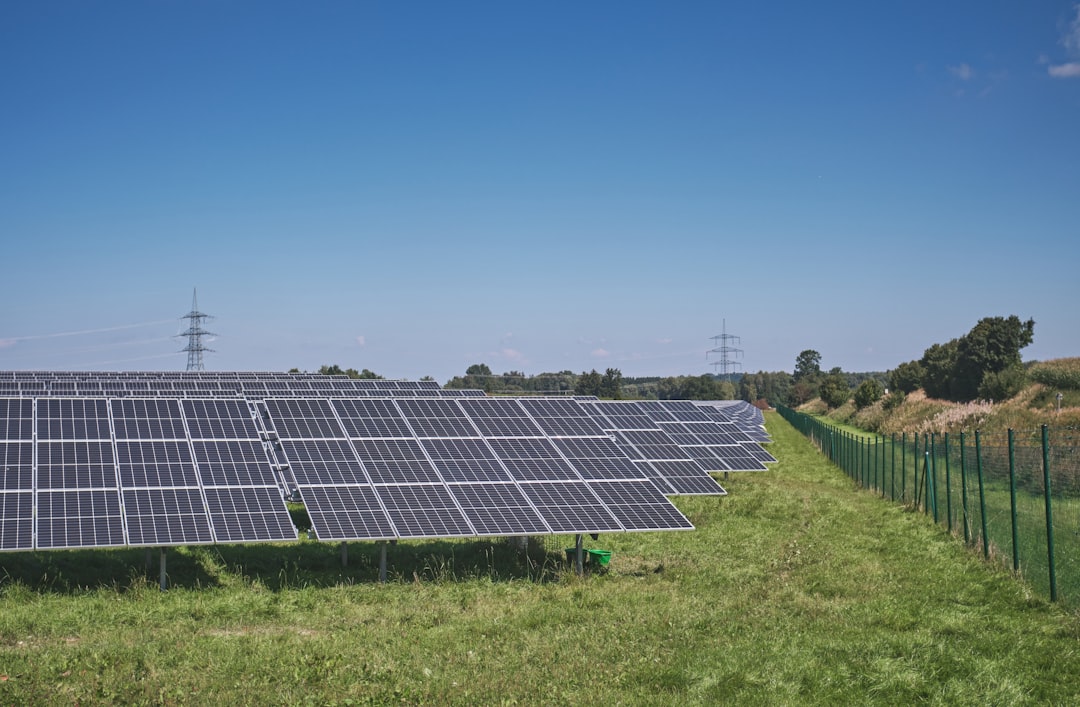
Despite solar power becoming the cheapest electricity generation source in history, several U.S. states are implementing policies that impede its adoption. This creates a challenging environment for renewable energy development, where economic incentives clash with regulatory hurdles.
Despite solar power reaching an unprecedented low in generation costs, several U.S. states are implementing policies that could hinder its widespread adoption. This creates a divergence where economic incentives for solar energy are strong, yet regulatory and political frameworks are becoming increasingly restrictive.
Historically, the cost of solar energy has declined dramatically, making it the most economical form of new power generation in many regions globally. This trend is driven by technological advancements, economies of scale in manufacturing, and improved installation techniques. For utilities and consumers alike, the purely economic case for transitioning to solar has never been stronger, offering potential savings and increased energy independence.
However, a complex interplay of state-level legislation and evolving federal policy is creating headwinds. Some states are re-evaluating or scaling back incentives that previously supported solar development, such as net metering policies which compensate solar panel owners for excess electricity fed back into the grid. Other states are introducing new fees or regulatory hurdles that could increase the upfront costs or reduce the financial benefits for solar projects. This regulatory uncertainty and policy fragmentation risk slowing the pace of renewable energy deployment, even as the fundamental economics favor it.
The implications extend beyond just the solar industry, impacting broader decarbonization efforts and investment in renewable infrastructure. The conflicting signals between market forces pushing for cheaper, cleaner energy and state-level policy resistance create a challenging environment for investors and developers. This push-and-pull dynamic highlights the significant role of policy in shaping energy transitions, even when market economics appear clear.
Analyst's Take
The divergence between falling solar costs and state-level policy headwinds suggests an impending bottleneck for grid modernization. While the market pushes for distributed generation, incumbent utility interests and political lobbying could prompt federal intervention or a shift in capital allocation towards utility-scale projects to bypass local resistance, potentially slowing overall energy transition timelines by delaying necessary grid infrastructure upgrades.