MarketsMarketWatchMay 1, 2026· 1 min read
Trump to Address Economic Costs Amid GOP Midterm Worries
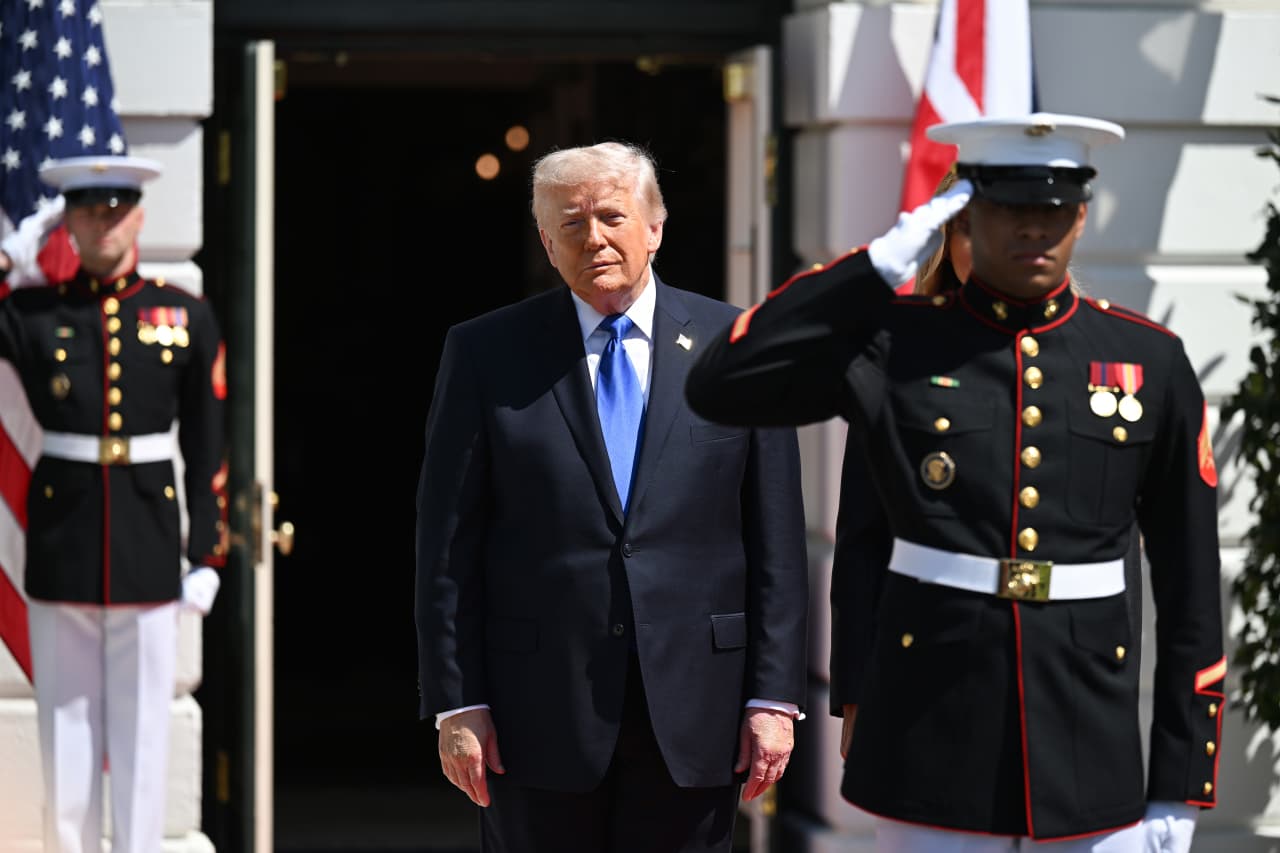
President Trump will deliver a speech Friday on his administration's efforts to lower taxes and other costs. This address coincides with analysts' projections of significant Republican losses in the November midterms, largely attributed to voter anxieties over economic affordability.
President Donald Trump is scheduled to deliver a speech on Friday, focusing on his administration's initiatives to reduce taxes and other economic costs. This address comes as political analysts increasingly forecast significant electoral challenges for the Republican Party in the upcoming November midterm elections. A primary driver behind these predictions is widespread voter concern regarding the rising cost of living and overall affordability.
The administration has consistently highlighted tax cuts and deregulation as key strategies to stimulate economic growth and alleviate financial burdens on households and businesses. The upcoming speech is expected to reiterate these efforts, potentially outlining new or expanded proposals aimed at combating inflation and perceived economic inefficiencies.
Voter sentiment surveys and economic indicators suggest that despite a robust labor market and steady GDP growth, a significant portion of the electorate remains apprehensive about personal financial situations. Rising prices for essential goods and services, including housing, food, and energy, are frequently cited as top concerns.
Historically, economic conditions play a pivotal role in midterm election outcomes, often serving as a referendum on the incumbent party's performance. The Republican Party's ability to effectively communicate its economic message and demonstrate tangible relief from cost pressures is seen as crucial to mitigating potential losses in both congressional chambers.
Analyst's Take
While the headline focuses on immediate political implications, the persistent emphasis on 'cost reduction' ahead of midterms signals an administration acknowledging inflation as a more entrenched economic and political challenge than previously admitted. This rhetoric might foreshadow more aggressive fiscal or even unconventional administrative actions post-election, potentially impacting sector-specific regulations or trade policies in an attempt to directly influence consumer prices, regardless of their macroeconomic efficacy.


