MarketsMarketWatchApr 30, 2026· 1 min read
Trump Order Targets Retirement Access for Workers Lacking Employer Plans
President Trump will sign an executive order to create retirement plan access for workers whose employers do not offer one. This initiative aims to boost retirement security and aggregate savings among millions of Americans.
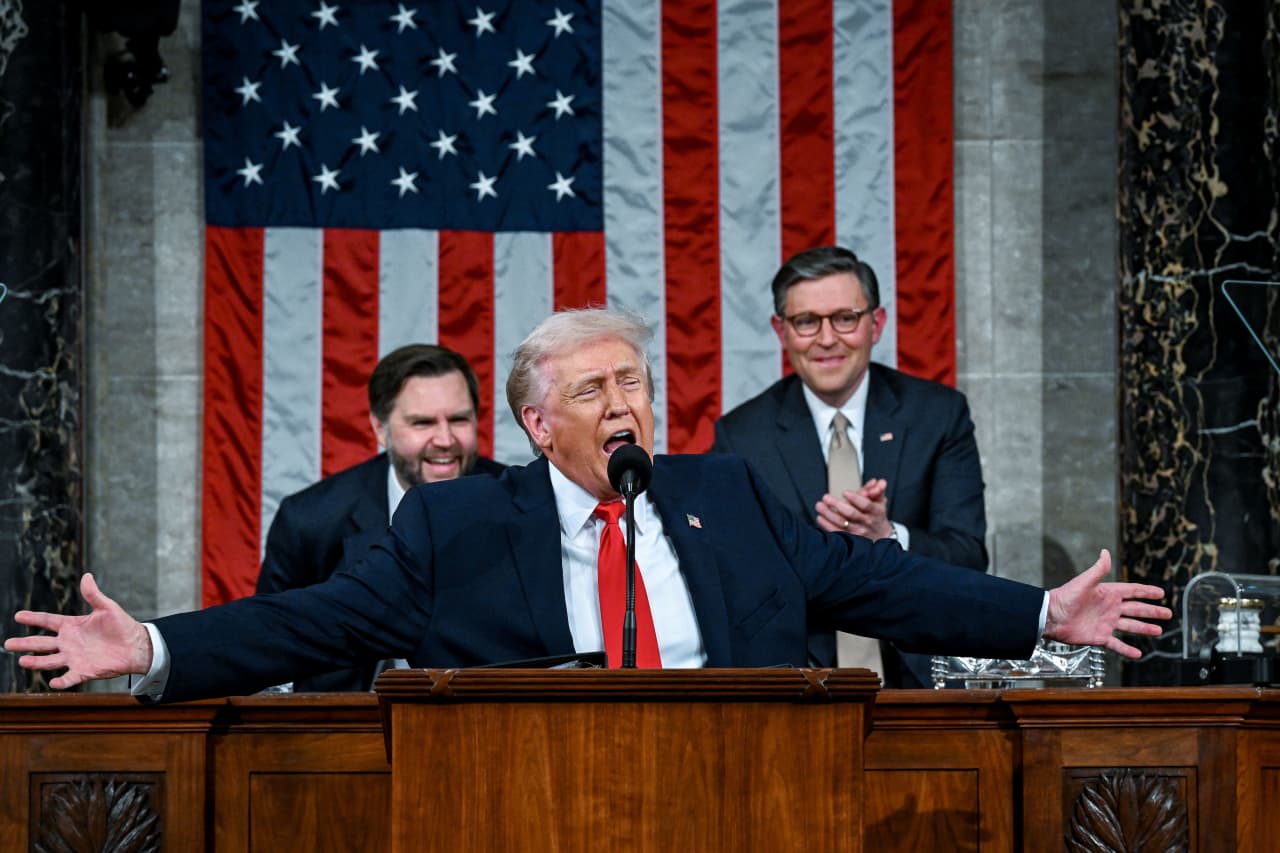
President Donald Trump is set to sign an executive order aimed at expanding access to retirement savings plans for workers not currently offered one by their employers. This initiative follows promises made during his State of the Union address earlier this year, focusing on enhancing retirement security for a segment of the American workforce. The executive action seeks to address a long-standing gap in retirement provision, particularly affecting smaller businesses and contract workers.
The economic implications of such an order could be multifaceted. By facilitating the creation of new retirement options, the administration aims to increase the aggregate savings rate among a demographic that historically struggles with retirement preparedness. This could translate into a modest boost in long-term capital formation and a reduction in future reliance on social safety nets. For employers, especially small and medium-sized enterprises (SMEs), the order may introduce new, potentially streamlined mechanisms to offer retirement benefits without the administrative burden or cost typically associated with traditional employer-sponsored plans.
While specific details of the order are still emerging, the underlying intent is to leverage existing financial infrastructure to offer more accessible and portable retirement vehicles. This move could stimulate demand for financial products tailored to these new plans, potentially benefiting asset managers and financial technology firms. However, the ultimate success will depend on the design of these new plans, including their attractiveness to both workers and employers, and the level of participation achieved. Critics may argue that voluntary programs often fall short of universal coverage, while proponents will highlight the potential for incremental improvements in financial well-being for millions of Americans.
Analyst's Take
While the order addresses a clear market gap, its long-term economic impact will hinge on the uptake rates among eligible workers, which historically have been modest for voluntary, non-employer-matched plans. The real tell will be whether it creates a viable template for states or the private sector to scale, potentially fostering new financial product innovation and competitive pressures in the retirement savings market rather than simply offering a new, potentially underutilized, option.


