EnergyOilPrice.comJul 22, 2026· 1 min read
MIT Framework Pinpoints Grid Vulnerabilities Amid Rising Climate Threats
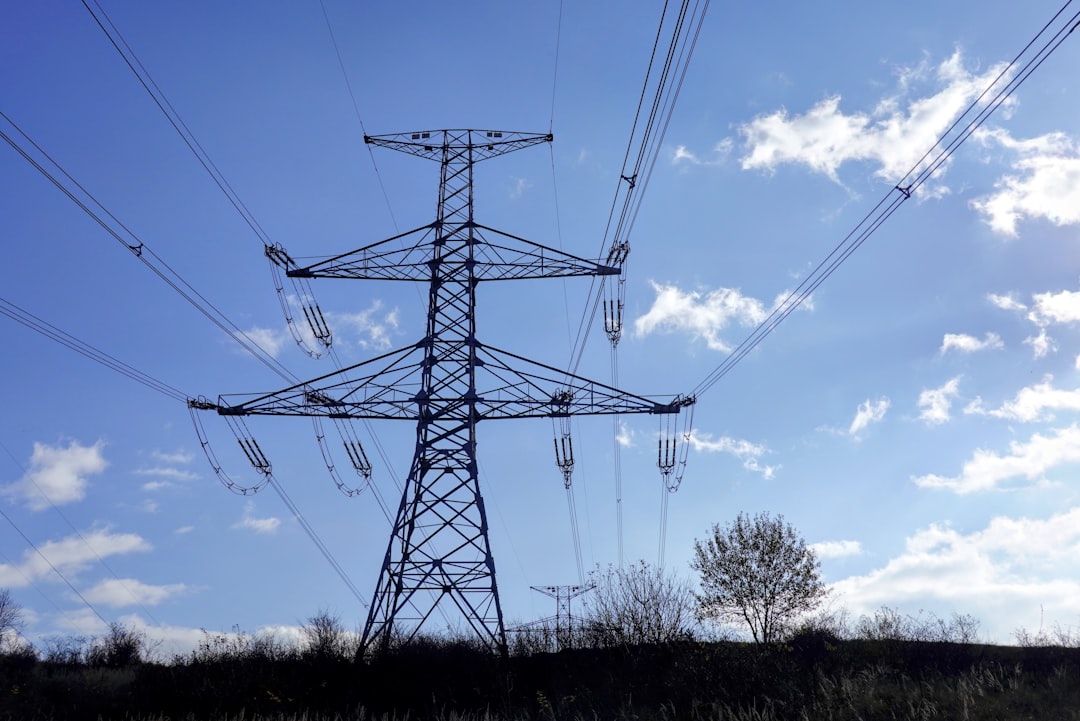
MIT researchers have developed a new framework to map electrical grid vulnerabilities by integrating climatic patterns with regional energy supply and demand data. This tool aims to enhance grid resilience and stability in the face of increasing extreme weather events and rising energy consumption from sectors like data centers.
Researchers at the Massachusetts Institute of Technology (MIT) have developed a novel framework designed to identify geographical weak points and potential failure zones within electrical grids. This analytical tool integrates granular climatic patterns with regional energy supply and demand dynamics, aiming to enhance grid resilience against escalating environmental pressures.
The framework's development comes as extreme weather events, including increasingly severe summer heatwaves, place unprecedented strain on existing energy infrastructure. Concurrently, surging energy consumption from data centers and other high-demand sectors is amplifying the overall load on national grids. The intersection of these factors necessitates a more proactive approach to grid management and investment.
Historically, grid stability has been challenged by both supply-side disruptions and demand surges. The new MIT methodology offers a systematic way to anticipate where these challenges are most likely to converge, enabling targeted interventions before system failures occur. By mapping intricate climate data against operational grid characteristics, the framework can highlight specific transmission lines, substations, or generation assets that are particularly susceptible to climate-induced stress.
The economic implications are substantial. Proactive identification and reinforcement of vulnerable grid segments can mitigate the vast financial costs associated with power outages, which include lost economic productivity, damage to businesses, and recovery expenses. Furthermore, by ensuring more reliable energy supply, the framework indirectly supports continued economic growth in energy-intensive industries, such as technology and manufacturing, that rely heavily on consistent power availability. This predictive capability could also guide future infrastructure investment decisions, directing capital towards the most impactful upgrades and fostering greater long-term energy security.
Analyst's Take
While immediately addressing climate resilience, this framework's deeper economic impact will likely manifest in shifting capital expenditure priorities for utility companies, potentially years before widespread grid failures force their hand. The early identification of critical infrastructure at risk could lead to a 're-rating' of utility bond valuations, as investment in preventative measures reduces long-term operational and credit risk, a signal that bond markets might absorb before equity markets fully price in the avoided costs.