MarketsMarketWatchJun 17, 2026· 1 min read
Warsh and Vance Challenge Fed's 2% Inflation Target, Sparking Policy Debate
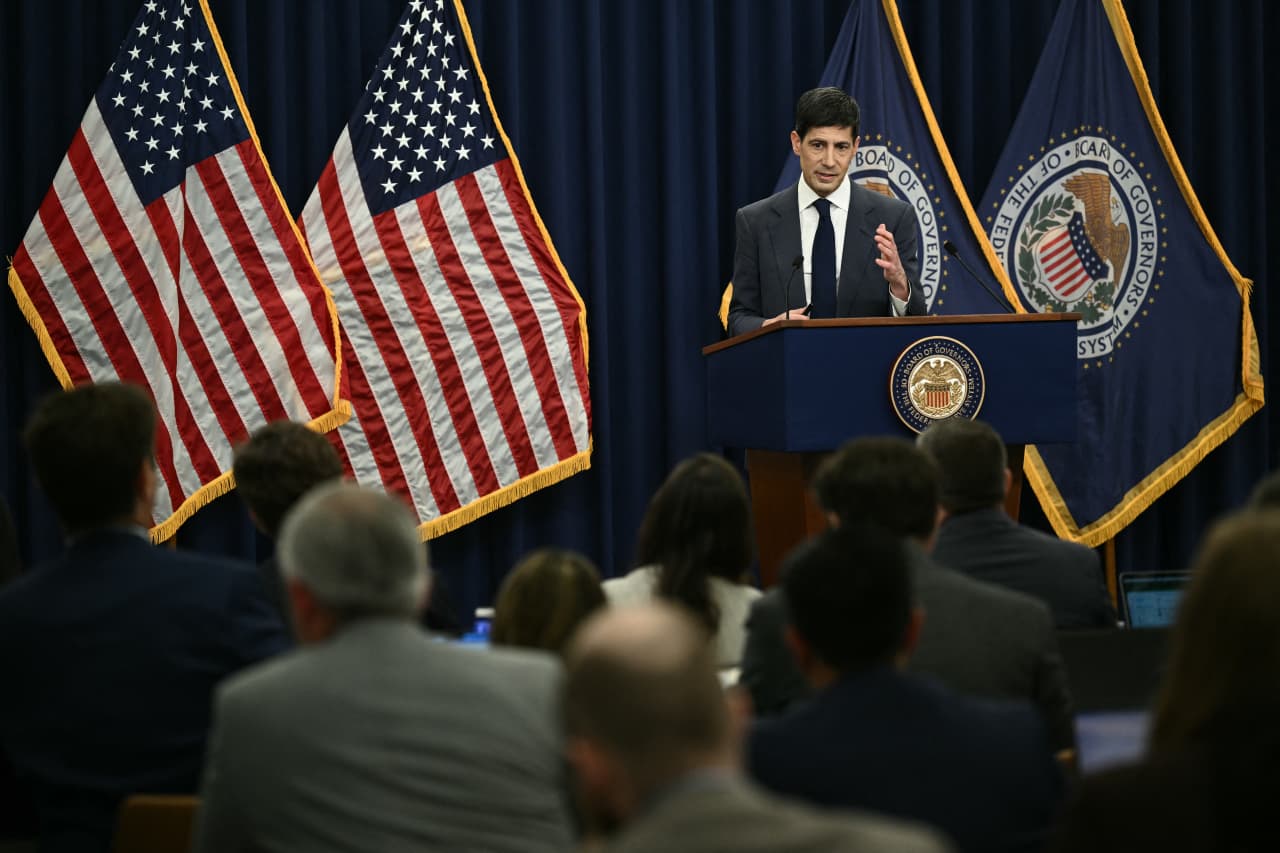
Former Federal Reserve Governor Kevin Warsh and Senator J.D. Vance have publicly questioned the U.S. government's 2% annual inflation target, introducing uncertainty into a core tenet of monetary policy. This challenge could signal a potential re-evaluation of long-standing economic benchmarks, with implications for financial markets and future interest rate expectations.
A recent public discourse initiated by former Federal Reserve Governor Kevin Warsh and Senator J.D. Vance has cast doubt on the U.S. government's long-standing 2% annual inflation target. Their questioning of the target suggests a potential shift in economic policy discussions, moving away from the established benchmark that has guided monetary policy for decades.
The 2% inflation target, adopted by central banks globally, serves as a crucial anchor for price stability, influencing investment decisions, consumer spending, and wage negotiations. Deviations or proposed changes to this target can have significant economic implications, potentially impacting market expectations for future interest rates and the purchasing power of the dollar.
While specific details of Warsh and Vance's arguments were not fully elaborated in the initial report, the mere act of prominent figures challenging the target could signal a growing appetite within certain policy circles for re-evaluating the current monetary framework. This development is particularly notable given the recent period of elevated inflation and the Federal Reserve's aggressive rate-hiking cycle to bring prices down.
A fundamental shift in the inflation target could lead to a reassessment of long-term bond yields, corporate investment strategies, and international trade dynamics. It could also force the Federal Reserve to reconsider its forward guidance and communication strategies, potentially introducing uncertainty into financial markets. The debate is likely to intensify as policymakers and economists weigh the benefits and risks of maintaining or altering the existing inflation mandate.
Analyst's Take
The explicit questioning of the 2% inflation target by prominent figures could be an early signal of latent political pressure to formalize a 'higher for longer' inflation regime, potentially allowing for greater fiscal leeway without immediate central bank tightening. This rhetoric, if gaining traction, might already be priced into the long end of the yield curve, suggesting bond markets anticipate a less aggressive disinflationary stance from the Fed than current forward guidance implies, potentially creating a divergence with equity market expectations for rate cuts.


