MacroBBC BusinessJul 14, 2026· 1 min read
Buffett Halts Donations to Gates Foundation Amid Epstein Fallout
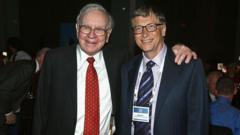
Warren Buffett has stopped his philanthropic contributions to the Bill & Melinda Gates Foundation, following recent public attention on Bill Gates' associations with Jeffrey Epstein. This move by a major benefactor could prompt a reevaluation of the foundation's long-term financial strategy and operational scale.
Billionaire investor Warren Buffett has ceased his financial contributions to the Bill & Melinda Gates Foundation, a development that could have significant implications for the philanthropic sector. This decision by the chairman and CEO of Berkshire Hathaway follows recent scrutiny surrounding Bill Gates' past interactions with convicted sex offender Jeffrey Epstein. While the precise financial impact on the foundation is not immediately clear, Buffett has historically been one of its most substantial benefactors, pledging billions of dollars over the years.
Buffett's past commitments included annual contributions of Berkshire Hathaway Class B shares, designed to gradually transfer his vast wealth to the foundation. This move signals a potential shift in the funding landscape for one of the world's largest philanthropic organizations. The cessation of donations could necessitate a recalibration of the foundation's long-term financial planning and operational capacity, potentially affecting the scale and scope of its global health and development initiatives.
The immediate economic implications are primarily confined to the non-profit sector, potentially triggering a broader reassessment of governance and due diligence among major philanthropic entities. While unlikely to directly impact public markets, the event underscores the increasing scrutiny on the personal conduct of high-profile figures associated with significant capital flows, even in philanthropic contexts. The Gates Foundation, with its substantial endowment, will likely need to address this funding gap, potentially by seeking new major donors or adjusting its expenditure strategy in the coming years.
Analyst's Take
This development, while ostensibly about philanthropy, could subtly influence institutional investor ESG mandates. We might see a greater emphasis on reputational risk assessments for board members and major executives in portfolio companies, particularly those involved in high-profile public or philanthropic initiatives. The market may be overlooking the potential for increased due diligence costs and a more conservative approach to celebrity endorsements or affiliations in corporate governance going forward, especially for firms with significant public-facing brands.

