EnergyOilPrice.comJun 11, 2026· 1 min read
Household Batteries Emerge as Key Strategic Energy Assets Amid Geopolitical Turmoil
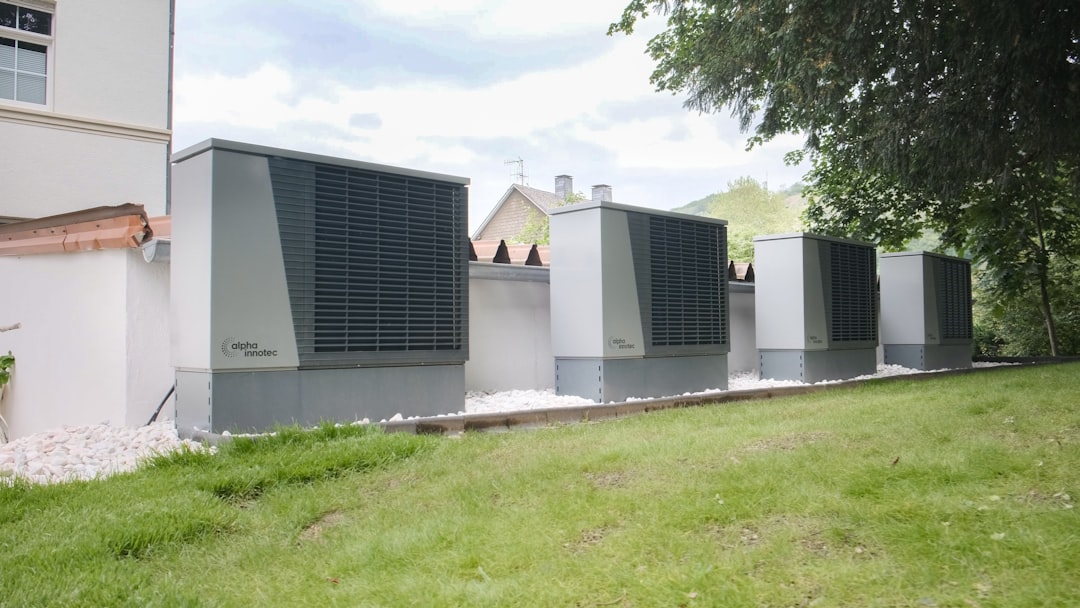
Geopolitical instability, exemplified by Strait of Hormuz disruptions and 1 billion barrels of oil removed from global markets, is pushing governments to view household batteries as strategic energy assets. This shift aims to enhance energy security through decentralized solutions, reducing reliance on vulnerable centralized infrastructure and volatile international markets.
Geopolitical instability, particularly disruptions in critical energy transit points like the Strait of Hormuz, is prompting a reevaluation of national energy security strategies. Recent conflicts have removed a significant 1 billion barrels of crude oil and petroleum products from global markets, exacerbating supply uncertainties. The Middle East, a pivotal oil-producing region, faces ongoing disruptions, while the future of Chinese refining capacity and global inventory levels remains precarious.
In response to these escalating risks, governments are increasingly recognizing the strategic importance of decentralized energy solutions, specifically household battery storage. Traditionally, energy security policy has focused on large-scale infrastructure projects such as pipelines, Liquefied Natural Gas (LNG) terminals, strategic petroleum reserves, and naval protection of shipping lanes. However, the vulnerability of these centralized systems to geopolitical events and supply chain shocks is driving a shift towards more distributed and resilient energy architectures.
Integrating household batteries into national energy frameworks offers several economic and strategic advantages. These systems enhance grid stability by providing localized backup power during outages, reducing reliance on fossil fuel imports, and enabling greater penetration of intermittent renewable energy sources like solar. Furthermore, widespread adoption of home battery storage can mitigate peak demand pressures on the grid, potentially delaying the need for costly new power plant construction and transmission upgrades. This decentralized approach fosters greater energy independence for individual nations, buffering against the volatility of international energy markets and the geopolitical weaponization of energy supplies.
Analyst's Take
The immediate impact of this trend will likely be seen in government subsidies and regulatory frameworks designed to accelerate household battery adoption, rather than direct market-moving shifts. The real second-order effect, however, is a potential long-term decoupling of residential electricity prices from global fossil fuel commodity prices, which could manifest within 3-5 years as grid resilience and renewable integration improve.