MarketsMarketWatchJul 23, 2026· 1 min read
AMD Challenges Nvidia in Expanding Server CPU Market
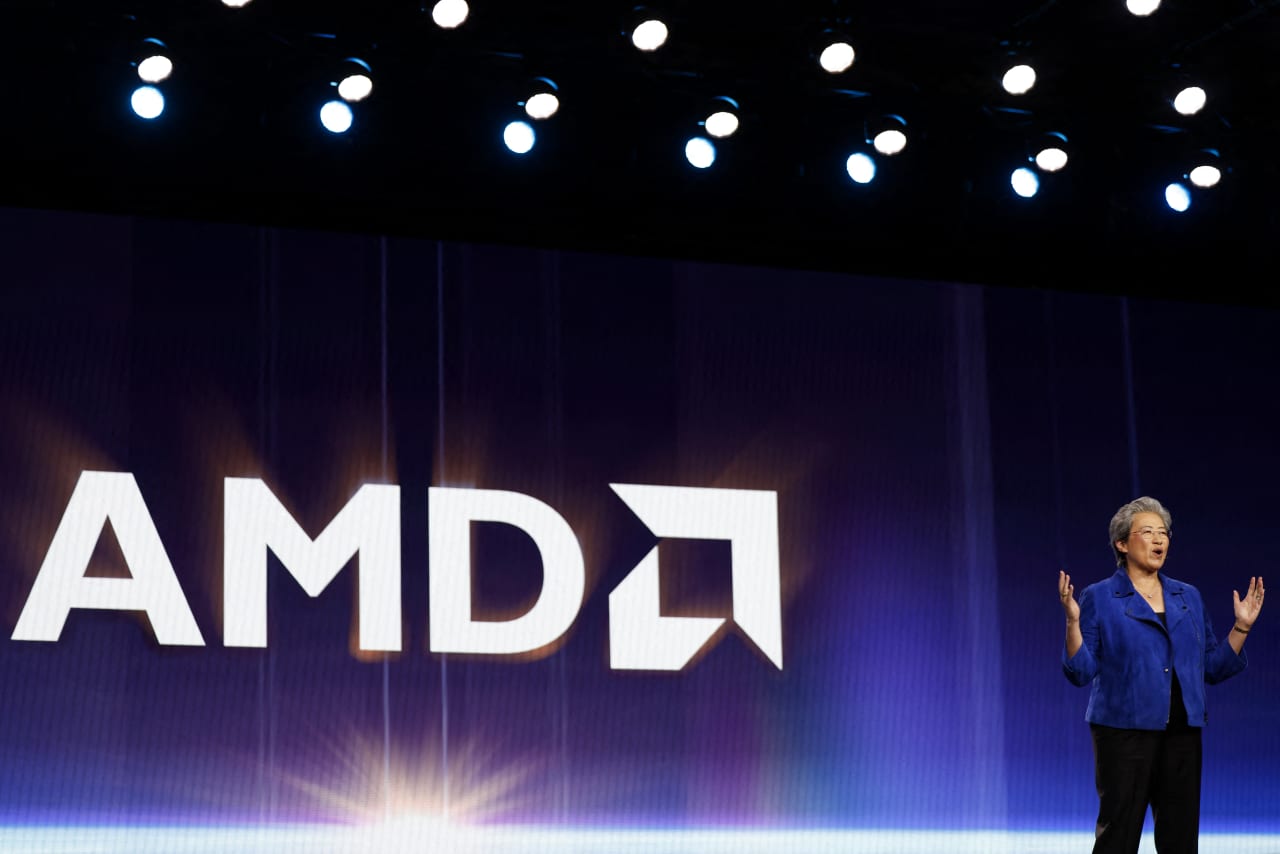
AMD is escalating its competition with Nvidia by expanding its focus into the high-growth server central processing unit (CPU) market, moving beyond their traditional rivalry in graphics processing units. This strategic shift targets lucrative data center and enterprise computing segments, potentially leading to increased innovation and cost-efficiency for infrastructure providers.
Advanced Micro Micro Devices (AMD) is intensifying its competition with Nvidia, shifting beyond their traditional graphics processing unit (GPU) rivalry to target the lucrative server central processing unit (CPU) market. Both chipmakers are actively bolstering their product portfolios for data centers and enterprise computing, a segment characterized by robust growth and high demand for specialized processors.
Historically, AMD and Nvidia have been primary competitors in the discrete GPU space, catering to gaming, professional visualization, and, more recently, artificial intelligence workloads. However, the burgeoning needs of data centers for high-performance computing, cloud infrastructure, and AI inferencing are driving significant investment in server-grade CPUs. This strategic pivot by AMD, with its enhanced EPYC server processors, and Nvidia, through its Grace CPU Superchip and BlueField DPUs, signals a broadening battleground for market share in critical enterprise hardware.
This expansion into server CPUs represents a significant economic opportunity for both companies. The server market segment is characterized by higher average selling prices and more stable demand compared to the cyclical consumer GPU market. For data center operators and cloud service providers, increased competition between AMD and Nvidia could lead to more innovative, cost-effective, and performance-optimized solutions, potentially impacting their operational expenditures and capital investments in infrastructure.
Ultimately, this intensifying competition in the server CPU space underscores the strategic importance of data center infrastructure in the global digital economy. The performance and efficiency of these processors are foundational to advancements in cloud computing, AI development, and large-scale data analytics, making this a critical area of technological and economic focus for the semiconductor industry.
Analyst's Take
While seemingly a direct competition, AMD's server CPU push, particularly its EPYC line, could indirectly pressure Intel's long-standing dominance in this segment more than Nvidia. The real second-order effect to watch is the pricing strategies and market share shifts among these three giants over the next 12-18 months, which could signal broader trends in data center CAPEX and cloud provider margins.


