MarketsMarketWatchJun 13, 2026· 1 min read
Luxury Spending by Wealthy Complicates Broader Inflation Fight
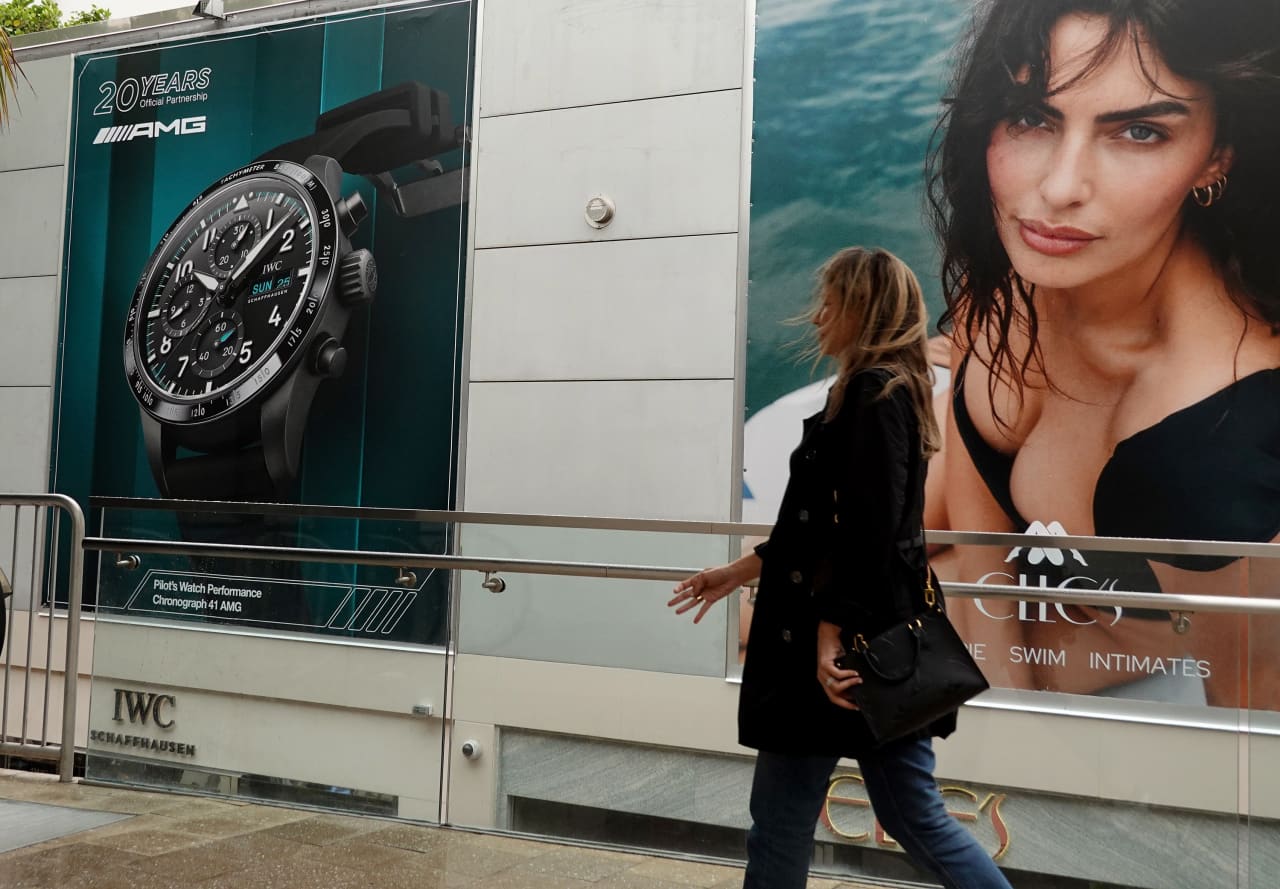
High-net-worth individuals' continued strong spending on luxury goods is complicating central banks' efforts to curb inflation. This sustained demand in the high-end market reduces the effectiveness of monetary policy designed to cool overall economic activity.
Persistent spending by high-net-worth individuals on luxury goods and services is emerging as a significant complicating factor in the ongoing battle against inflation. While central banks, particularly the Federal Reserve, are employing monetary policy tools to cool aggregate demand and bring down price levels, the affluent segment of the economy appears largely immune to these efforts.
Data indicates that wealthy consumers continue to allocate substantial capital towards premium products and experiences, a trend dubbed 'unapologetic luxury.' This sustained demand in the high-end market segment contributes to inflationary pressures across various supply chains. Manufacturers and service providers, catering to this resilient demand, face less pressure to reduce prices or absorb higher input costs, as their primary customer base remains willing to pay a premium.
The economic implication is a bifurcated inflation experience. For the majority of consumers, rising prices for essential goods and services continue to erode purchasing power. Concurrently, the robust demand from the wealthy sustains price levels in luxury sectors, which can have spillover effects. For instance, increased demand for high-end materials or skilled labor in luxury industries can drive up costs more broadly, indirectly affecting the production of everyday goods.
This dynamic poses a challenge for monetary policy effectiveness. Traditional tools like interest rate hikes aim to reduce overall economic activity and spending. However, if a significant portion of spending—from those with substantial discretionary income—remains unaffected, the burden of demand reduction falls disproportionately on lower and middle-income households. This could necessitate more aggressive or prolonged tightening cycles to achieve desired inflation targets, potentially increasing the risk of a sharper economic downturn for the broader population.
Analyst's Take
The market may be overlooking how this bifurcated spending pattern could prolong the 'last mile' of inflation fighting. If luxury demand remains inelastic to interest rate hikes, it effectively necessitates a deeper contraction in discretionary spending from other income cohorts, increasing the probability of a 'harder landing' scenario than currently priced by equity markets.


