MarketsMarketWatchMay 2, 2026· 1 min read
Spirit Airlines Halts Operations, Ceasing All Future Flights
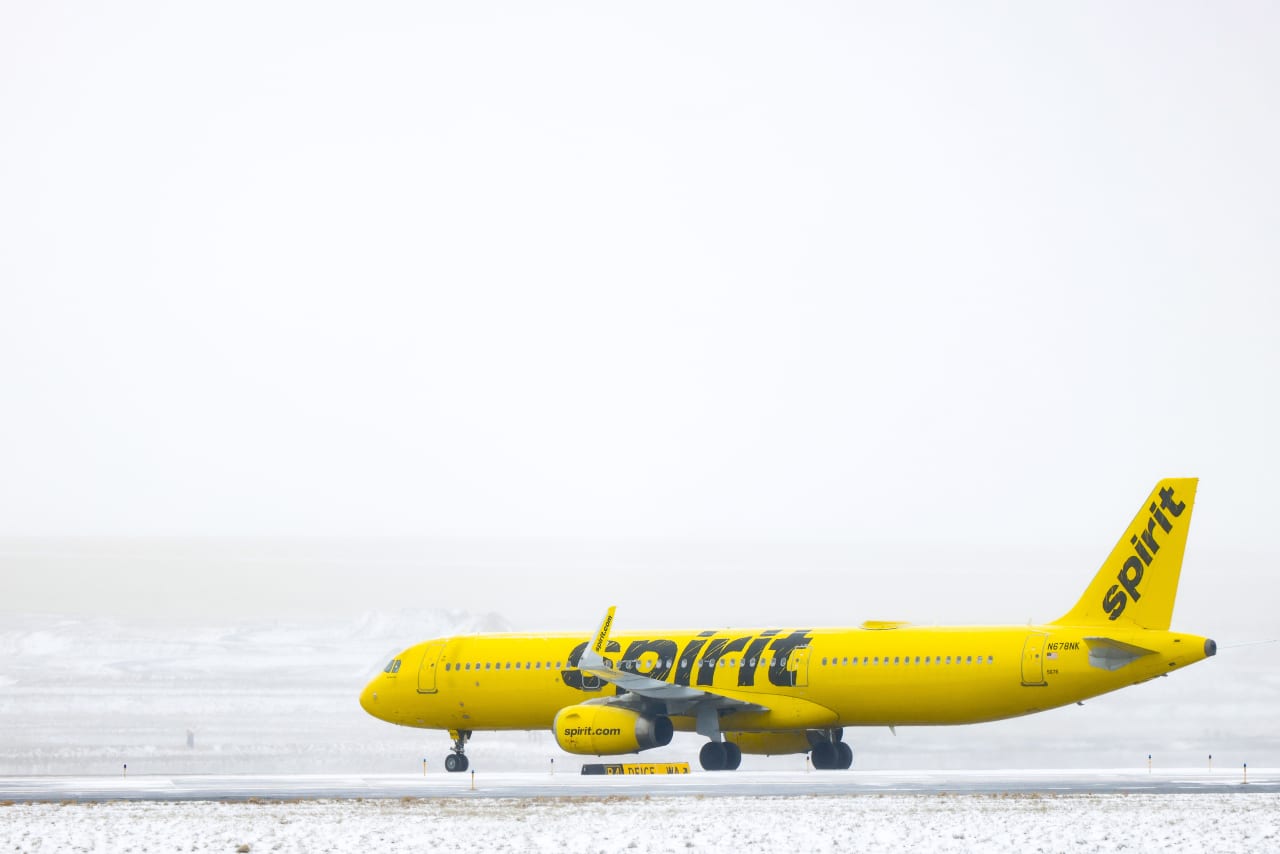
Spirit Airlines has immediately ceased all flight operations and is shutting down, marking the abrupt exit of a major ultra-low-cost carrier from the market. This closure will lead to job losses, passenger disruptions, and a potential shift in market share and pricing dynamics within the North American aviation sector.
Spirit Airlines announced an immediate cessation of all future flight operations, effectively shutting down the ultra-low-cost carrier. This sudden closure marks the end of a significant player in the North American aviation market, known for its aggressive pricing strategy and unbundled fare structure. The move is expected to have immediate ramifications for the broader airline industry, particularly impacting leisure travel segments where Spirit held a considerable market share.
The immediate economic implications include job losses for Spirit's employees across various operational functions, ranging from flight crews to ground staff and administrative personnel. The closure also creates an unexpected vacuum in several routes, potentially leading to upward pressure on airfares as demand shifts to remaining carriers. Competitors, especially other budget airlines and legacy carriers with strong leisure networks, are poised to absorb Spirit's former passenger base and potentially acquire some of its operational assets.
From a consumer perspective, the shutdown will disrupt travel plans for thousands of passengers holding future Spirit tickets. While refund mechanisms will likely be established, the immediate inconvenience and potential for higher alternative travel costs are significant. The move also signals a potential re-evaluation of the ultra-low-cost carrier model's long-term sustainability, especially in a dynamic market influenced by fuel costs, labor expenses, and passenger demand fluctuations.
Analyst's Take
The sudden demise of Spirit Airlines, while immediately impactful for consumers and employees, may signal a broader re-pricing of risk in the ultra-low-cost airline segment. While competitors might initially benefit from absorbed demand, the market may begin to scrutinize the debt loads and operational resilience of other budget carriers, particularly those with less diversified revenue streams or older fleets. We could see a subtle shift in investor sentiment away from pure volume plays towards airlines demonstrating stronger balance sheets and more robust revenue per available seat mile (RASM), potentially leading to a widening valuation gap within the airline sector over the next two quarters.


