MacroBBC BusinessJul 24, 2026· 1 min read
Trump Pledges Investigation into EU Tech Fines, Vows Reversal
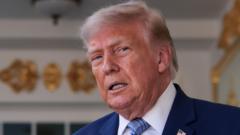
Former President Trump has stated his intention to investigate the EU over fines imposed on U.S. tech companies like Google, Apple, Meta, and Amazon, advocating for their complete reversal. This move could heighten transatlantic trade tensions and introduce economic uncertainty for multinational tech firms operating in both markets.
Former U.S. President Donald Trump has indicated that a potential second administration would launch an investigation into the European Union's regulatory actions against major American technology firms. Speaking publicly, Trump asserted that significant fines levied against companies including Google, Apple, Meta, and Amazon by EU authorities should be "entirely reversed."
These comments signal a potential escalation of transatlantic trade and regulatory tensions, particularly within the digital economy sector. EU antitrust regulators have historically imposed substantial penalties on U.S. tech giants for alleged anti-competitive practices, market dominance abuses, and data privacy violations. These fines have amounted to billions of euros, impacting the companies' financial results and operational strategies within the European single market.
A renewed U.S. focus on challenging these EU regulatory decisions could introduce considerable uncertainty for multinational corporations operating across both jurisdictions. From an economic perspective, such an investigation could involve diplomatic pressure, retaliatory trade measures, or legal challenges, potentially disrupting established business frameworks. For the affected tech companies, a reversal of fines would represent a significant financial boon, while the EU would face a direct challenge to its sovereign regulatory authority and competition policy framework. The long-term implications could include a re-evaluation of international digital governance and competition enforcement paradigms.
Analyst's Take
While immediately impacting tech giants, this stance signals a broader re-evaluation of U.S. commitment to international regulatory cooperation, potentially emboldening other nations to challenge EU jurisdiction. The real pressure point may be the implied threat of reciprocal U.S. tariffs or regulatory burdens on European companies operating in the U.S., a 'chicken game' that global markets are not yet fully pricing in.

