EnergyOilPrice.comMay 31, 2026· 1 min read
Global Solar Megaprojects Proliferate Amid Falling Costs, Energy Transition Push
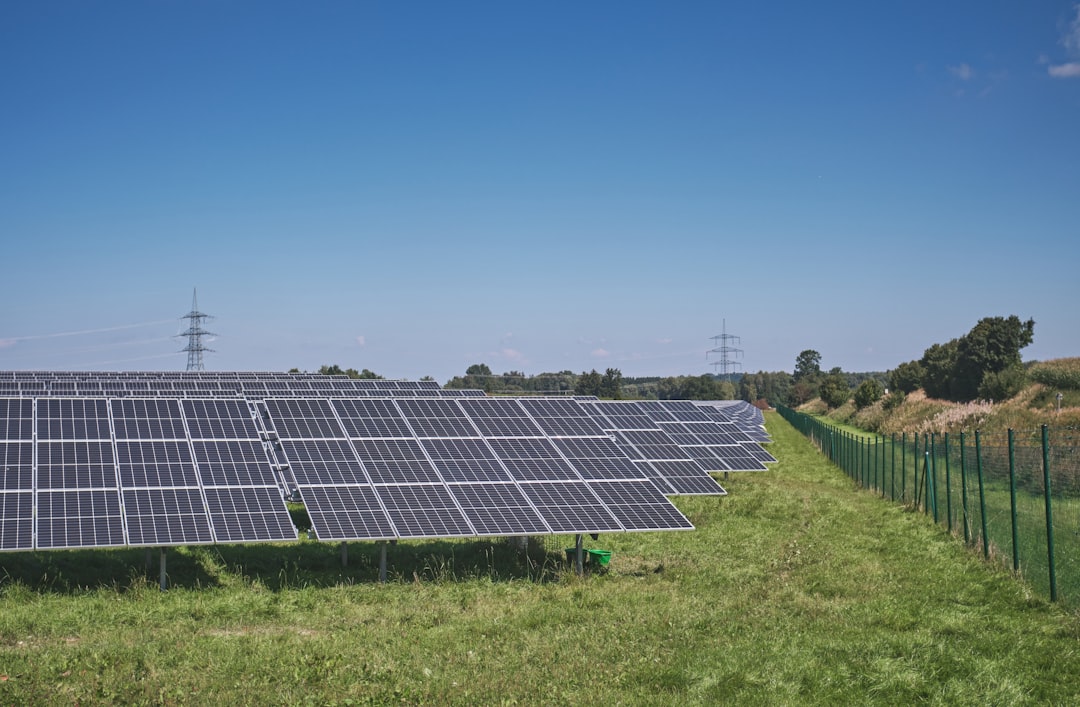
The development of large-scale solar farms is accelerating globally, fueled by decades of falling panel prices and increased efficiency. This trend is a direct response to governmental pushes for energy diversification and emissions reduction, leading to increasingly ambitious gigawatt-scale projects.
The global solar energy sector is witnessing an accelerated trend toward the development of utility-scale projects, driven by a confluence of technological advancements and shifting energy policies. Over the past two decades, the cost of solar photovoltaic (PV) panels has significantly decreased, while their efficiency has concurrently risen. This improvement is largely attributable to substantial investment in research and development, alongside increasing market adoption.
Governments worldwide are increasingly prioritizing energy diversification and decarbonization, spurring demand for renewable energy sources. This policy shift, coupled with the enhanced economic viability of solar power, is encouraging developers to launch increasingly ambitious projects. While prior major solar developments typically provided hundreds of megawatts (MW) of clean power, the current wave of projects aims for significantly larger capacities, often entering the gigawatt-scale.
This proliferation of mega-solar farms represents a pivotal moment in the energy transition. The ability to deploy solar power at such scale contributes directly to national renewable energy targets and helps mitigate reliance on fossil fuels. Economically, these projects can create substantial local employment during construction and operation, attract significant capital investment, and potentially stabilize electricity prices by reducing exposure to volatile fossil fuel markets. The downward trajectory of solar technology costs suggests continued strong investment and expansion in this sector, underpinning long-term shifts in global energy infrastructure and supply dynamics.
Analyst's Take
While the immediate impact is increased clean energy capacity, the second-order effect will be sustained downward pressure on wholesale electricity prices in regions with significant solar build-out, potentially eroding profitability for legacy baseload power generators sooner than anticipated. This could lead to premature retirements and increased grid stability challenges that require substantial investment in complementary storage or transmission infrastructure, a cost not fully priced into current project economics.