EnergyOilPrice.comMay 20, 2026· 1 min read
IEA: Oil Shock Accelerates Global EV Adoption to Nearly 30% of New Sales
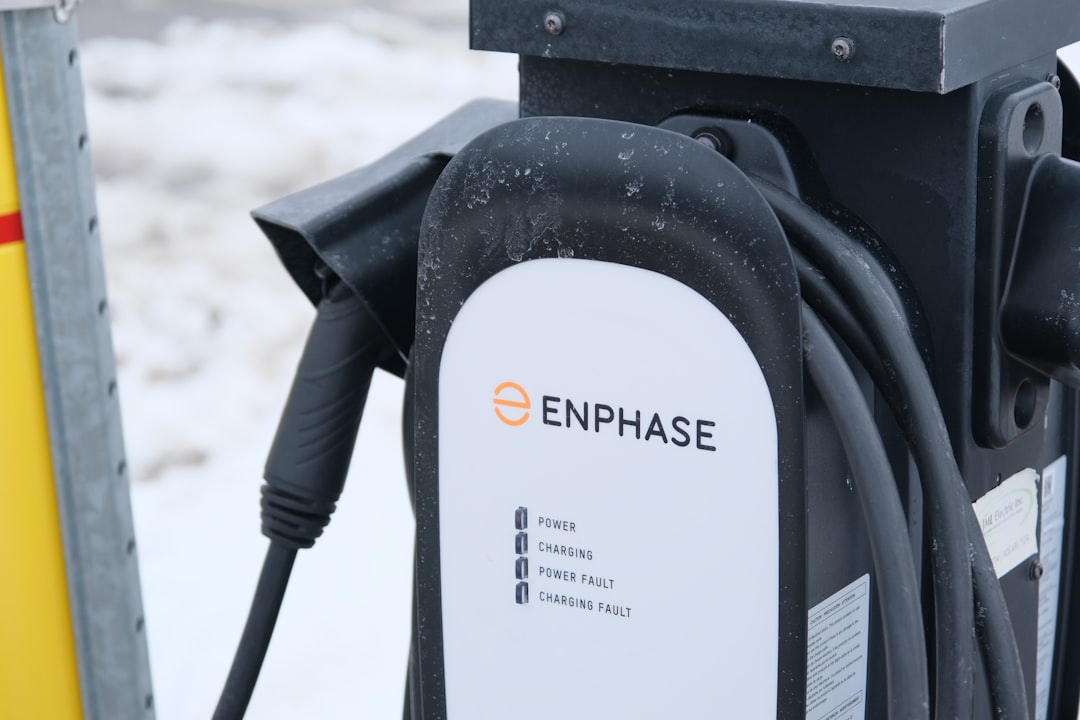
Global electric vehicle (EV) sales are forecast to comprise nearly 30% of all new car sales this year, according to the IEA, driven by elevated fuel prices following geopolitical tensions. This acceleration points to a significant consumer shift and has broad implications for energy, automotive, and related sectors.
The International Energy Agency (IEA) reports that global electric vehicle (EV) sales are poised to reach nearly 30% of all new car sales this year, driven by elevated fuel prices following recent geopolitical events. This acceleration marks a significant shift in consumer behavior towards EVs and hybrid models.
According to the IEA's annual Global EV Outlook 2026 report, approximately 23 million EVs are projected to be sold worldwide in 2026. This projection follows a strong growth trajectory, building on a 20% increase in global EV sales in the previous year, when they constituted one-quarter of all new cars sold. The sustained surge in crude oil prices, particularly in the aftermath of the Iran conflict, has made the economic case for EV adoption more compelling for consumers globally.
This trend has substantial implications for energy markets, automotive manufacturing, and related supply chains. Increased EV penetration directly reduces demand for petroleum products, potentially dampening long-term oil price volatility and influencing investment decisions in fossil fuel infrastructure. For the automotive sector, it signals a reinforced imperative to accelerate EV production capabilities and expand charging infrastructure. Governments may also intensify policy support for EV incentives and infrastructure development to capitalize on energy security benefits and environmental goals.
Analyst's Take
While seemingly positive for clean energy transition, the rapid, geopolitically-induced EV surge could strain critical mineral supply chains more acutely than anticipated, potentially creating upward price pressure on battery components and delaying production targets for some manufacturers. This rapid shift also implies an accelerated decline in gasoline demand, potentially impacting refining margins and legacy automotive component suppliers faster than market consensus currently reflects, leading to distressed assets in the traditional auto parts sector.