MarketsMarketWatchMay 10, 2026· 1 min read
Powell's Enduring Legacy: Navigating Inflation and Political Scrutiny
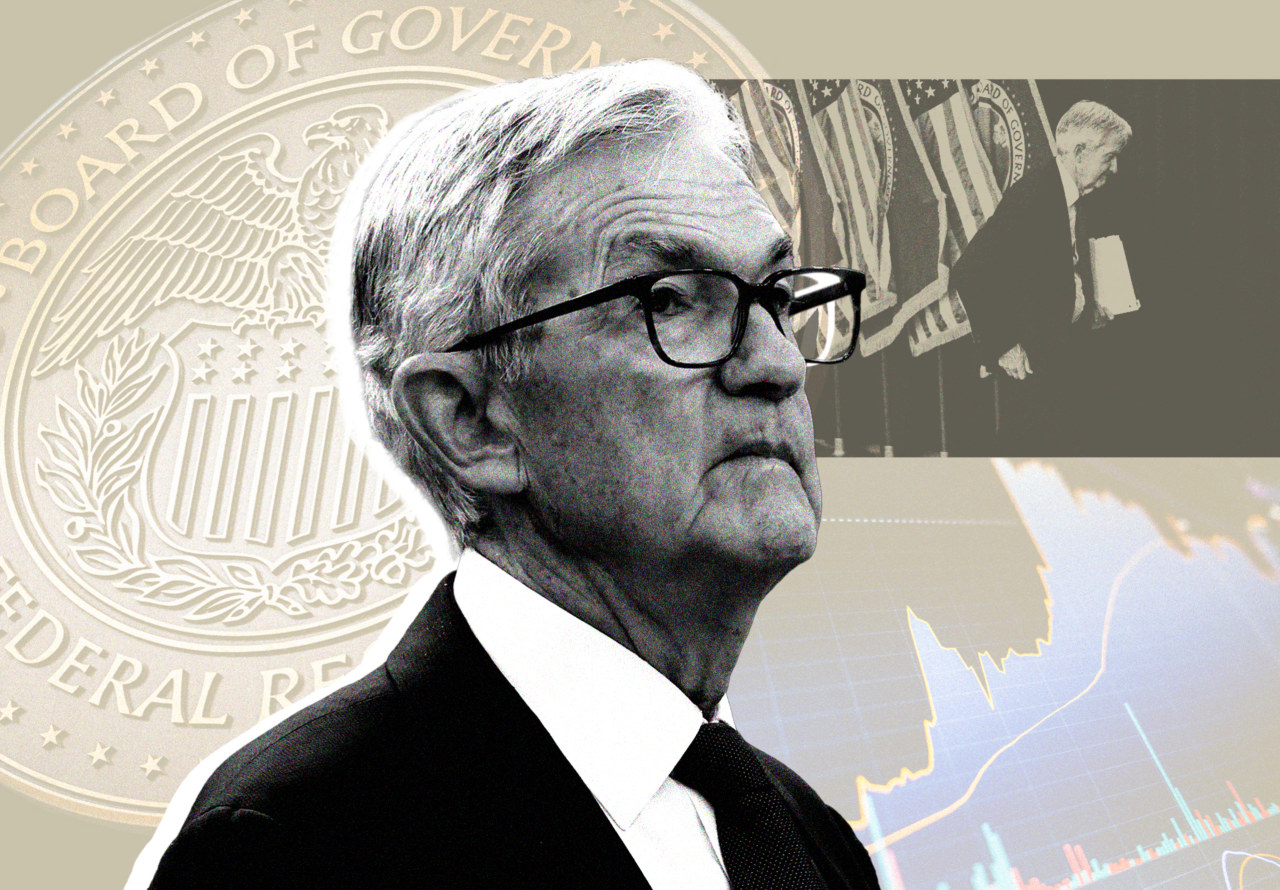
Jerome Powell's legacy as Federal Reserve Chair hinges on the resolution of two key challenges: effectively managing persistent inflation and successfully preserving the central bank's independence from political interference. The outcomes of these struggles will determine his historical economic standing and the future direction of monetary policy.
Federal Reserve Chair Jerome Powell's tenure is increasingly defined by two significant battles: the persistent fight against inflation and the defense of the central bank's operational independence. As his second term progresses, the ultimate outcomes of these challenges will largely shape his economic legacy.
Powell assumed the chairmanship in 2018, inheriting an economy with moderate inflation. However, the unprecedented economic dislocations of the COVID-19 pandemic and subsequent fiscal stimulus measures unleashed inflationary pressures not seen in decades. The Fed's initial response, characterized by aggressive monetary easing, has since pivoted to a series of sharp interest rate hikes aimed at cooling the economy and bringing inflation back to the 2% target. The success or failure of this disinflationary campaign remains a critical determinant of Powell's economic record, with implications for household purchasing power and broader market stability.
Concurrently, Powell has faced heightened political scrutiny, particularly from former President Donald Trump, who publicly criticized the Fed's monetary policy decisions during his administration. These critiques often challenged the central bank's traditional non-partisan role and its operational autonomy, a cornerstone of effective monetary policy. The ongoing political landscape suggests potential future pressures, especially in an election year, testing the Fed's ability to make decisions based solely on economic data and its dual mandate of maximum employment and price stability, free from political interference.
How these two intertwined struggles – controlling inflation without triggering a severe recession, and maintaining the Fed's independence in a charged political environment – ultimately conclude will be the defining features of Powell's time at the helm. These outcomes will not only impact the immediate economic outlook but also set precedents for future Fed leadership and the institution's role in a democratic society.
Analyst's Take
While the headline focuses on Powell's personal legacy, the more significant unpriced risk is the potential for institutional erosion of Fed independence, particularly if political rhetoric escalates further into explicit legislative attempts to alter its structure. The market may be overlooking the long-term impact on financial stability if the perception of the Fed's autonomy is permanently compromised, leading to increased volatility and a higher risk premium on US assets over time, likely manifesting in bond yields before equities.


