EnergyOilPrice.comAug 6, 2026· 1 min read
Europe's Heatwave Strains Energy Infrastructure, Threatens Supply Chains
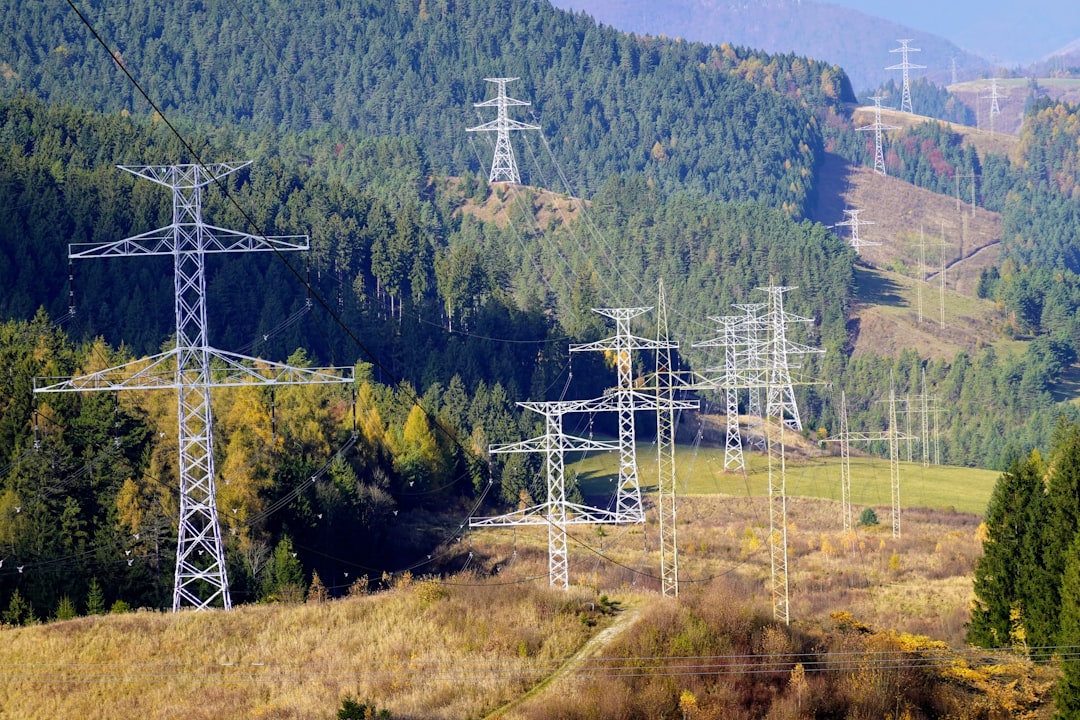
Europe's severe heatwave is impairing energy infrastructure, reducing refinery efficiency, forcing cuts to nuclear and hydroelectric power generation, and increasing inland fuel transport costs due to low river levels. This confluence of factors threatens to tighten energy supplies and elevate prices across the continent.
Europe's prolonged heatwave and associated drought conditions are increasingly impacting the continent's energy infrastructure and supply logistics. Refineries, particularly in Southern and Central Europe, are experiencing reduced operational efficiency due to diminished cooling capabilities as ambient temperatures consistently exceed 40°C.
The widespread drought has led to significantly lower river levels, directly affecting power generation. Nuclear power plants, which rely on river water for cooling, have been forced to reduce output, curtailing a critical baseload energy source. Concurrently, hydroelectric power generation has seen a substantial decline as water reservoirs shrink, diminishing a key renewable contribution to the grid.
Beyond power generation, the heatwave is complicating fuel transportation, particularly for inland waterways. Lower river depths are necessitating reduced cargo loads on barges, driving up per-unit transportation costs and potentially leading to localized supply bottlenecks for critical fuels. This combination of reduced refining capacity, constrained power generation, and elevated transport expenses poses a multifaceted challenge to Europe's energy security and inflationary pressures.
The strain on energy systems comes as the continent grapples with elevated energy prices and ongoing geopolitical tensions impacting gas supplies. The compounded effects of extreme weather could exacerbate existing vulnerabilities, potentially impacting industrial output and household energy bills in the coming months.
Analyst's Take
While the immediate focus is on energy supply constraints and cost increases, the persistent nature of these climate events could accelerate investment in localized, decentralized renewable energy solutions and energy storage, potentially altering long-term energy infrastructure planning. Furthermore, the elevated transportation costs via rivers might shift a greater burden to rail or road, stressing alternative logistical networks and potentially revealing new choke points in the supply chain.