EnergyOilPrice.comJun 5, 2026· 1 min read
US Oil Rig Count Edges Up Amidst Evolving Production Landscape
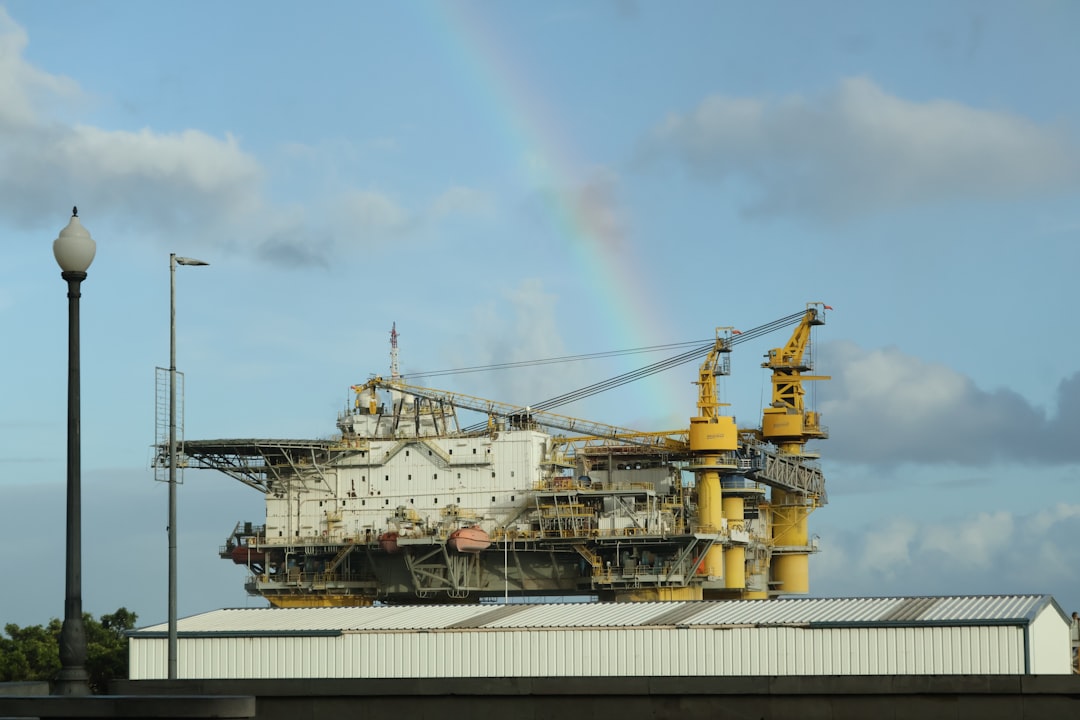
U.S. active oil and gas drilling rigs rose slightly this week to 563, with oil rigs increasing by 2 to 431, though remaining 11 below last year's level. Natural gas rigs decreased by 1 to 124 but are up 10 year-over-year, indicating a nuanced adjustment in drilling activity.
The total number of active oil and gas drilling rigs in the United States increased this week, according to new data released by Baker Hughes on Friday. The latest figures show the overall U.S. rig count reaching 563, representing a modest increase of 4 rigs compared to the same period last year.
Delving into the specifics, the number of active oil rigs climbed by 2, settling at 431. This uptick, however, places the current oil rig count 11 units below its level a year ago, indicating a slower year-over-year recovery in crude oil drilling activity. Conversely, natural gas drilling saw a slight contraction, with the number of active gas rigs decreasing by 1 to 124. Despite this weekly decline, the current gas rig count is 10 rigs higher than it was at this time last year, highlighting a relative shift in focus or sustained demand for natural gas exploration.
The mixed movements in oil and gas rig counts reflect a complex interplay of market fundamentals, producer sentiment, and capital allocation decisions within the energy sector. While the overall increase suggests a degree of confidence in future demand or pricing, the year-over-year comparisons reveal divergent trajectories for crude oil and natural gas production capacity. The continued addition of oil rigs, albeit at a slower pace than gas, points to producers responding to prevailing crude prices and the ongoing global energy transition, which still heavily relies on traditional hydrocarbons.
Analyst's Take
While the headline shows a marginal increase in oil rigs, the persistent year-over-year decline in active oil rigs, juxtaposed with the increase in gas rigs, signals a potential strategic pivot by E&P companies towards natural gas. This could be driven by a confluence of factors, including lower capital intensity for gas projects, anticipated LNG demand, and regulatory pressures favoring cleaner-burning fuels, potentially leading to a long-term divergence in energy supply dynamics that the market is not fully discounting in current oil futures pricing.