MarketsMarketWatchJul 31, 2026· 1 min read
S&P 500 Nears First July Decline Since 2014 Amidst Tech Selloff
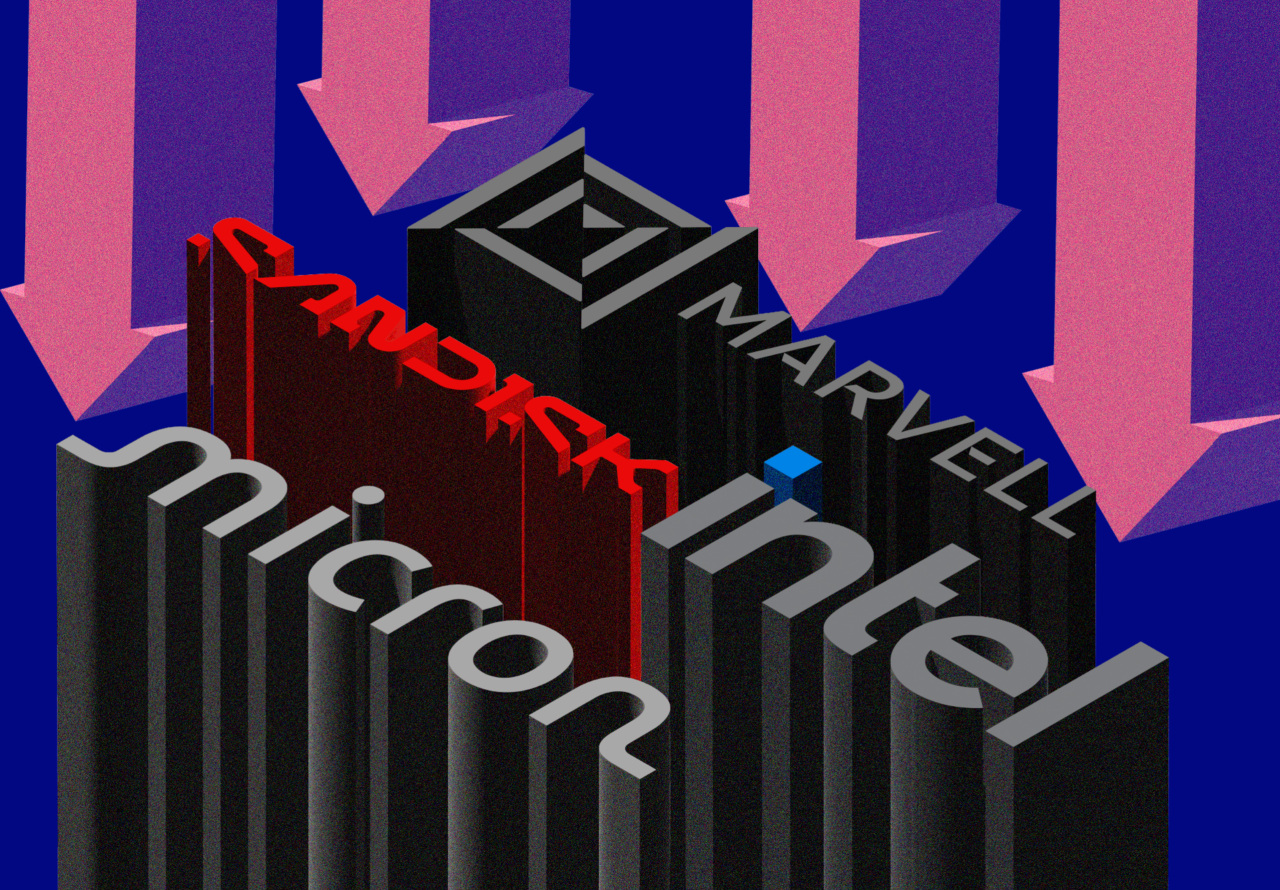
The S&P 500 is on track for its first July decline in nearly a decade, primarily driven by a significant selloff in the technology sector. Semiconductor stocks, in particular, recorded their worst monthly performance in 24 years, reflecting a reassessment of growth prospects.
The S&P 500 index is poised for its first July decline since 2014, reflecting a broader market downturn characterized by significant sector-specific weakness. As the month concludes with volatile trading, the technology sector, particularly semiconductor stocks, has been a primary driver of the selloff. Chipmakers experienced their worst monthly performance in 24 years, signaling a substantial re-evaluation of growth expectations within this critical industry.
This market movement follows a period of robust gains for many technology and growth stocks earlier in the year. Investors appear to be recalibrating portfolios amidst evolving economic data and monetary policy outlooks. The pronounced drop in semiconductor equities suggests concerns about future demand, inventory levels, or potential impacts from geopolitical tensions affecting supply chains and market access.
The broader S&P 500's dip indicates a more cautious sentiment permeating the market, moving beyond isolated incidents to a more generalized apprehension. While specific catalysts for the month-end volatility are diverse, ranging from corporate earnings reports to macroeconomic indicators, the outsized contribution from the tech sector underscores its sensitivity to changing market conditions and investor risk appetite. This shift could mark a rotational play, with capital potentially flowing into more defensive sectors or fixed-income assets as equity market uncertainty persists.
Analyst's Take
The concentrated selloff in semiconductor stocks, often a bellwether for industrial demand and global economic health, suggests underlying concerns about an impending deceleration in corporate capital expenditure or consumer electronics, potentially impacting Q3 and Q4 GDP. This sector's underperformance, even as the broader market corrects, could be signaling a broader slowdown in manufacturing and tech investment that the market is still processing, beyond just interest rate sensitivities.


