MarketsMarketWatchApr 30, 2026· 1 min read
Elderly Parents' Financial Hardship Prompts Intergenerational Support Debate
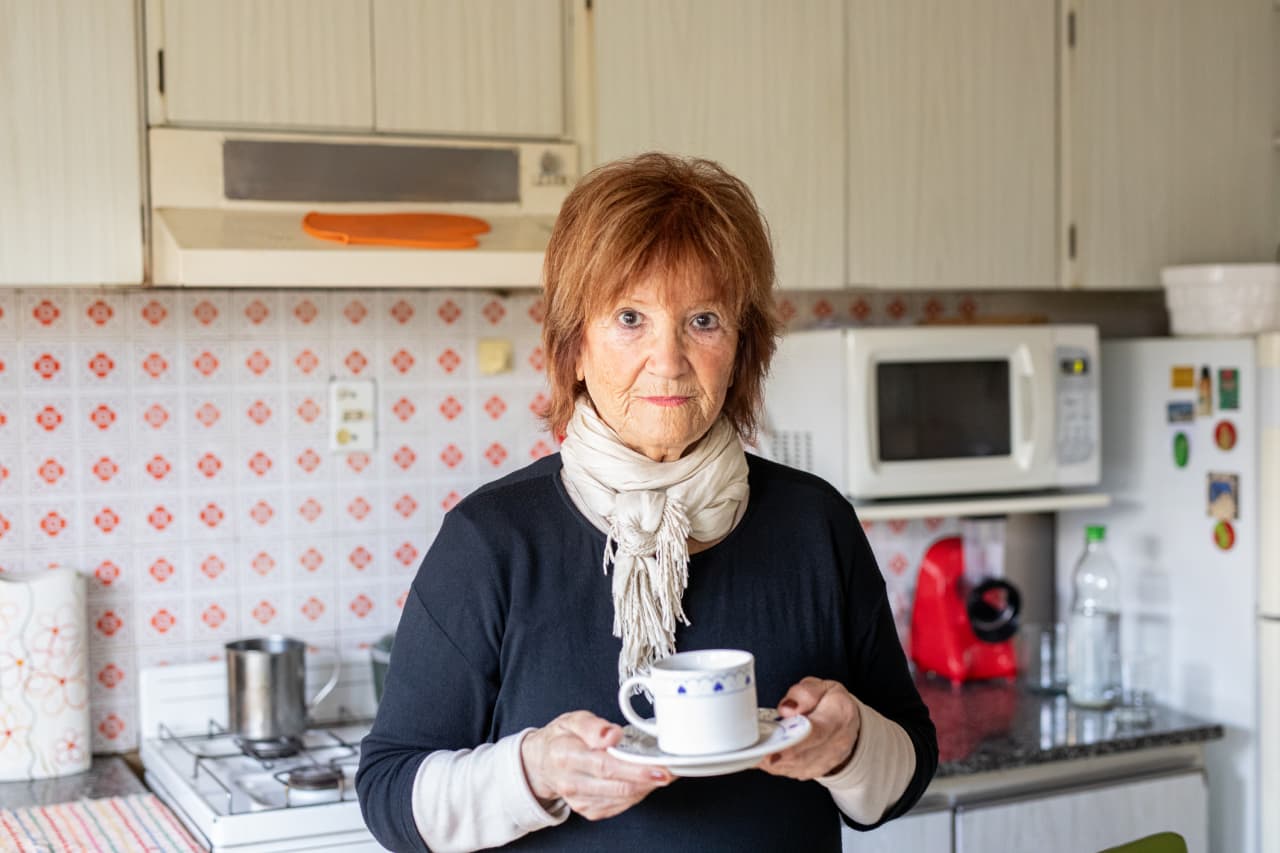
A family faces the economic dilemma of purchasing a home for a parent who has depleted her savings, highlighting the increasing financial burden on adult children to support elderly relatives facing destitution. This situation underscores challenges in retirement planning and societal safety nets, shifting economic responsibility to private households.
A recent anecdote highlights the growing economic strain on families when elderly parents face severe financial distress, potentially leading to homelessness. The scenario involves a mother-in-law who has depleted her savings, prompting her adult children to consider purchasing a home for her to avoid destitution. This situation underscores broader societal challenges related to inadequate retirement planning, rising living costs, and the increasing burden on the sandwich generation.
While the specific case involves inter-family dynamics and blame, the core economic issue revolves around financial elder care and the societal safety nets available. The decision to provide housing represents a significant, unbudgeted capital expenditure for the adult children, impacting their own financial stability and long-term planning, including retirement savings and potential inheritances. Such informal familial support, while morally driven, effectively transfers economic responsibility from the individual and potentially the state to private households.
Economically, such scenarios can exacerbate wealth inequality within families and strain household balance sheets. It also points to potential gaps in social security, pension systems, and affordable housing options for seniors. As demographic trends show an aging population and longer lifespans, the frequency of such dilemmas is likely to increase, placing greater pressure on younger generations to support their parents financially. This trend could have implications for consumer spending patterns, housing demand, and the broader economy, as discretionary income is diverted towards elder care.
Analyst's Take
While seemingly a micro-level family issue, the rising prevalence of such scenarios, particularly post-pandemic, suggests a latent macro-economic trend: the 'unfunded liability' of elder care is increasingly being absorbed by private households rather than public services. This could manifest as suppressed discretionary spending among the sandwich generation, impacting consumer-driven sectors, and potentially leading to a subtle, slow-moving 'crowding out' of younger generations' investment in their own futures and asset accumulation.


