MarketsMarketWatchJul 3, 2026· 1 min read
Micron Positions for AI Boom with Advanced Memory Chips
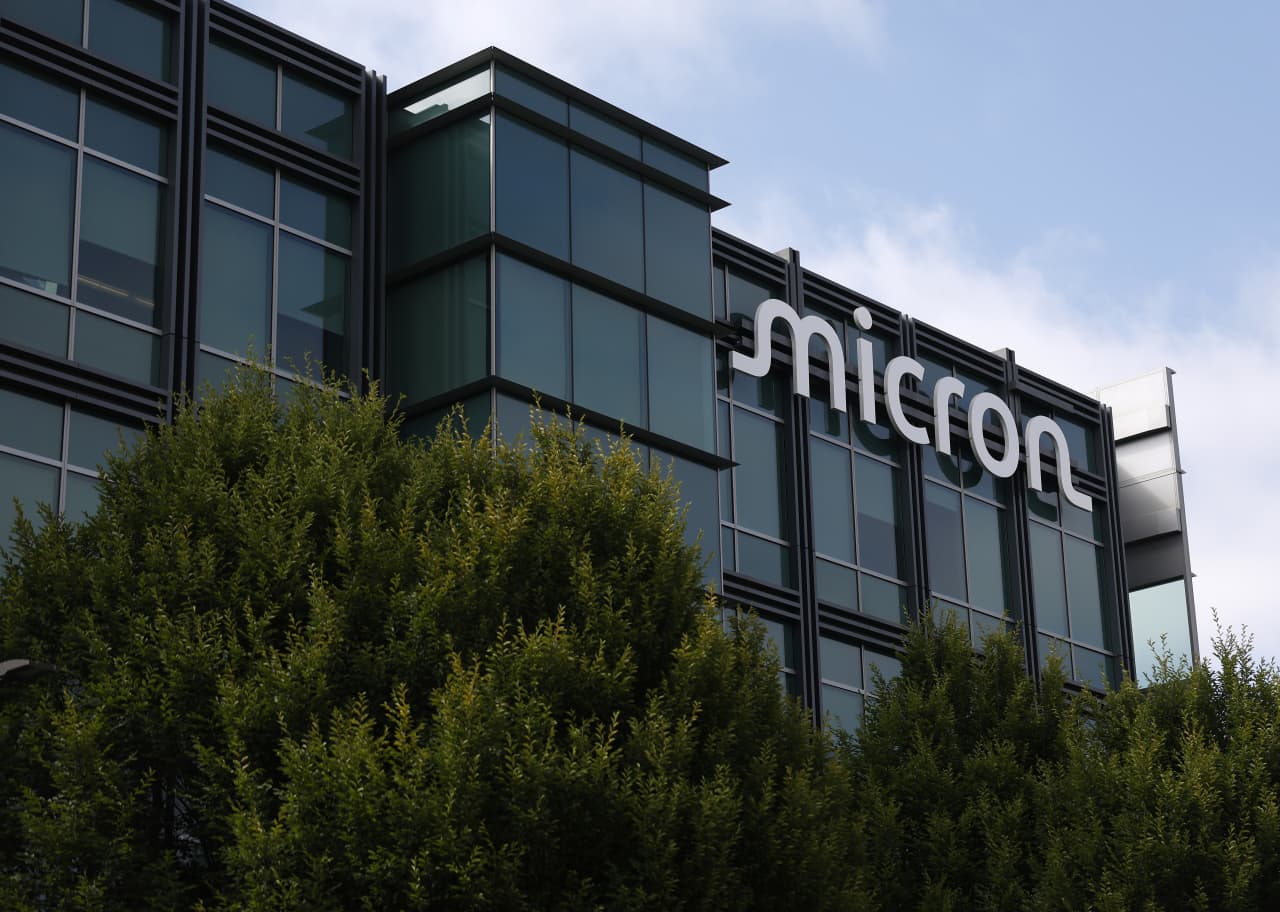
Micron Technology is strategically focusing on the surging demand for advanced memory chips, such as HBM, driven by artificial intelligence applications. This pivot is expected to transform the memory market from a cyclical commodity business into a higher-value, more stable segment with improved margins.
Micron Technology, a key player in the semiconductor industry, is strategically leveraging the burgeoning demand for specialized memory chips driven by artificial intelligence (AI). Historically viewed as a cyclical and less glamorous segment of the tech market, memory manufacturing is undergoing a significant transformation, with AI applications requiring higher performance and greater capacity solutions.
The Idaho-headquartered company, founded by a small team, has evolved into a central figure in the global memory market, producing DRAM and NAND flash memory products. The advent of AI, particularly large language models and other data-intensive applications, necessitates advanced memory architectures capable of handling massive datasets and parallel processing at unprecedented speeds. Micron's focus on developing High Bandwidth Memory (HBM) and other AI-optimized memory solutions positions it to capitalize on this secular growth trend.
This shift is projected to alter the industry's economic dynamics. While traditional memory markets are subject to supply-demand fluctuations and price volatility, the specialized requirements and higher value proposition of AI-specific memory could introduce greater stability and higher margins for companies like Micron. The increased computational demands of AI inference and training are creating a durable upward trajectory for memory demand, moving beyond the cyclicality often associated with PC and smartphone markets.
Investment in research and development for next-generation memory technologies is crucial for maintaining market share and competitive advantage. Micron's strategic pivot underscores a broader industry recognition of AI's disruptive potential across the semiconductor value chain, transforming the economic outlook for memory producers from a commodity business to a high-growth, technology-driven sector.
Analyst's Take
While Micron's direct AI play is clear, the real economic implication lies in the downstream capital expenditure ripple effect. Hyperscalers and data center operators will face escalating infrastructure costs for AI integration, potentially driving up borrowing and diverting investment from other IT segments. This could pressure margins for non-AI dependent tech hardware and services in the coming quarters.


