MarketsMarketWatchJun 15, 2026· 1 min read
Geopolitical Shifts Fuel Chip Sector Rebound Amid AI Expansion
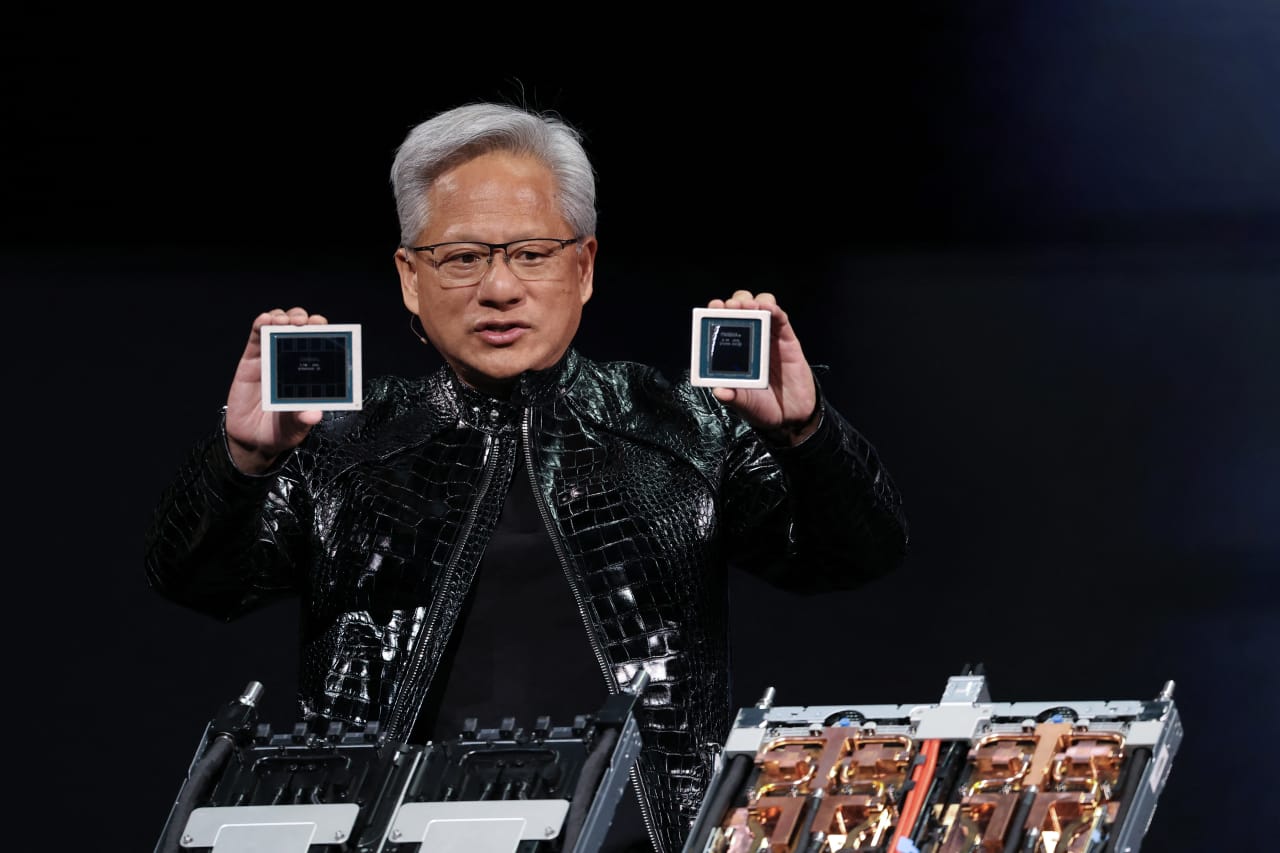
The semiconductor sector is rallying, buoyed by improving prospects for Middle East peace and the potential for a broader AI infrastructure buildout due to regulatory scrutiny on developers like Anthropic. These geopolitical shifts are enhancing risk appetite and signaling increased, diversified demand for advanced chips.
The semiconductor sector is experiencing a renewed rally, driven by two distinct geopolitical factors that are improving risk sentiment and potentially broadening AI infrastructure development. Prospects for de-escalation in the Middle East, specifically regarding Iran, are bolstering investor confidence in riskier assets, including technology stocks. This reduction in geopolitical uncertainty is generally positive for global supply chains and consumer demand, both critical to the chip industry.
Simultaneously, a notable development in the artificial intelligence landscape is contributing to the sector's gains. The ongoing regulatory scrutiny and potential conflict between AI developer Anthropic and the U.S. government could inadvertently accelerate the buildout of AI infrastructure beyond a concentrated few. Should regulatory pressures or national security concerns lead to a diversification of AI development and deployment, it would necessitate increased investment in semiconductor hardware across a wider range of companies and national initiatives. This expansion of the AI ecosystem translates directly into higher demand for advanced chips, benefiting manufacturers and designers. While the immediate impact is a rally in chip stocks, the underlying forces suggest a more sustained tailwind from both a more stable global environment and an increasingly distributed AI imperative.
Analyst's Take
The market may be underestimating the potential for 'AI nationalism' to become a significant driver for chip demand. As geopolitical tensions intertwine with technological leadership, governments globally could prioritize domestic AI infrastructure, decoupling from concentrated private sector development and leading to increased, fragmented demand for specific chip architectures and manufacturing capabilities.


