EnergyOilPrice.comMay 13, 2026· 1 min read
Middle East Tensions Spur Big Oil's Reconsideration of Arctic Drilling
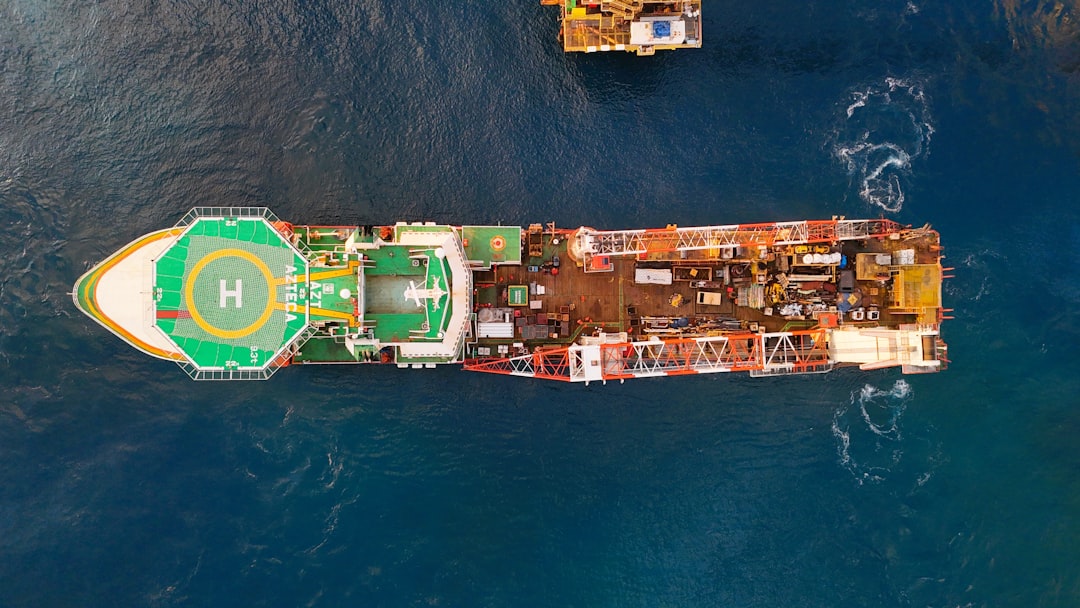
Geopolitical instability in the Middle East is causing major oil companies to re-evaluate previously uneconomical drilling locations, including Alaska, in a bid to diversify supply. This strategic shift could lead to increased investment and output in the U.S. Arctic, driven by higher risk premiums for Middle Eastern crude.
Geopolitical instability in the Middle East is prompting a strategic shift among major international oil companies, leading them to reassess previously marginal drilling locations. This reprioritization now includes regions like Alaska, a historically significant but recently overlooked oil and gas producing area of the United States. For years, Alaska's oil and gas sector has taken a backseat as the industry focused on more cost-effective and rapidly expanding production zones elsewhere.
The renewed interest in Alaskan oil reserves is a direct consequence of escalating risks associated with Middle Eastern supply lines and operational environments. While the economics of Alaskan extraction have historically been challenging due to environmental regulations, infrastructure costs, and logistical hurdles, the current geopolitical landscape is altering this calculus. Higher risk premiums for Middle Eastern crude, coupled with the imperative for supply diversification, are making higher-cost, politically stable alternatives more appealing.
This shift could bring significant economic implications for Alaska, potentially boosting state revenues and employment in the energy sector. The region's oil output has seen limited recent expansion, with the ConocoPhillips-led Willow project being a notable exception. A broader industry pivot towards Alaska would necessitate substantial capital investment in exploration, development, and infrastructure, potentially revitalizing a mature but high-potential oil province. The long-term viability of such projects will, however, remain subject to evolving energy transition policies and global oil demand dynamics.
Analyst's Take
While current geopolitical tensions are a primary driver, this move also signals a nuanced recalibration of 'energy security' beyond just domestic production towards 'all-of-the-above' stable jurisdictions, irrespective of higher lifting costs. The market may be underestimating the lag in bringing these projects online, which means any short-term supply buffer from this strategy is years away, potentially amplifying price volatility in the interim before new volumes materialize.