MarketsMarketWatchMay 26, 2026· 1 min read
MSG Sports Shares Surge Amid Knicks' NBA Finals Run, Driving Investor Gains
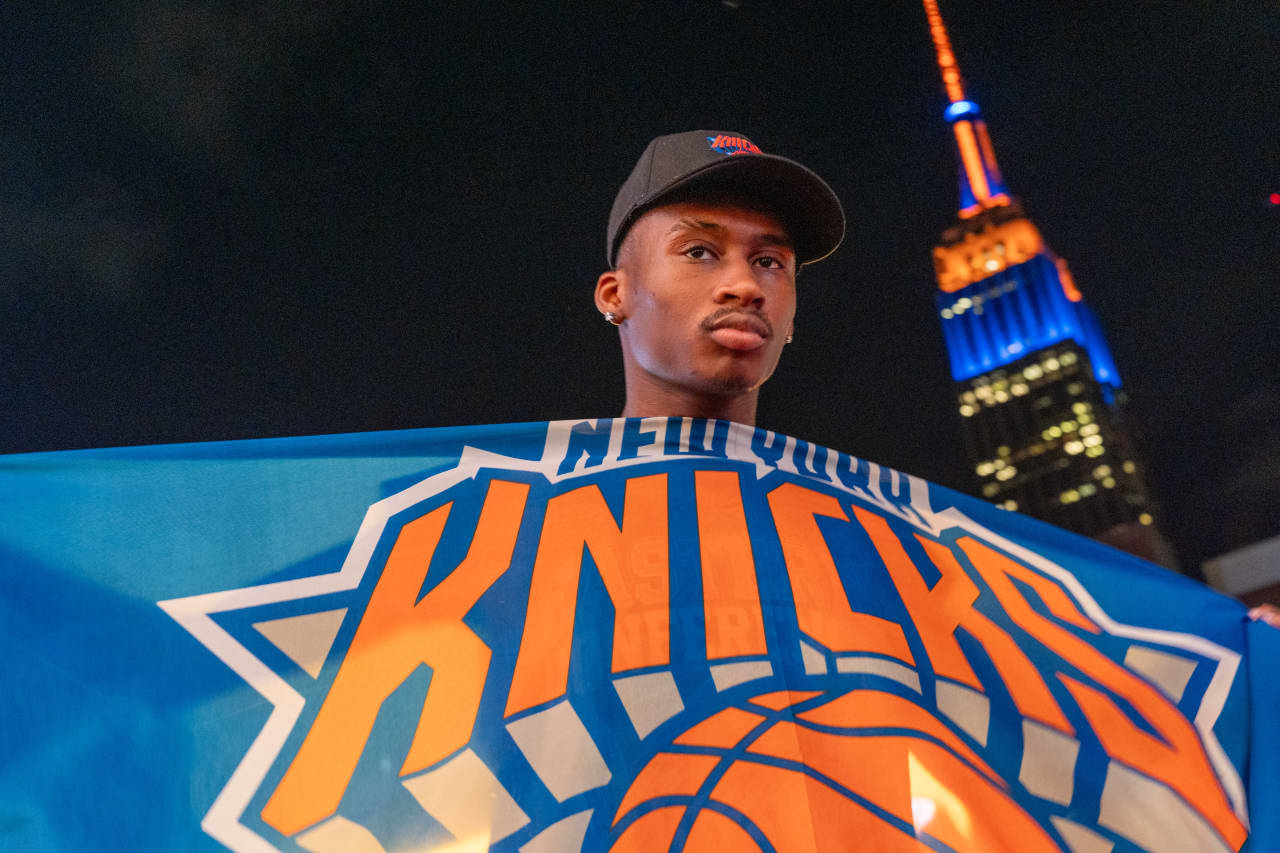
MSG Sports Corp. (MSGS) shares have surged 39% year-to-date and 88% over the past year, with the New York Knicks' NBA Finals appearance further fueling investor gains. This rally reflects anticipated increases in revenue from ticket sales, merchandise, and media rights, alongside enhanced brand value.
Shares of Madison Square Garden Sports Corp. (MSGS) have experienced a substantial rally, with year-to-date gains reaching 39% and a remarkable 88% increase over the past 12 months. This significant upward trajectory has been attributed in part to the New York Knicks' strong performance, culminating in their advancement to the NBA Finals. The timing of the Knicks' success has provided a further boost to investor sentiment, capitalizing on existing momentum.
MSG Sports holds ownership of prominent sports franchises, including the New York Knicks and the New York Rangers. The financial performance of these teams, particularly deep playoff runs, can significantly impact the company's revenue streams. Increased visibility and fan engagement translate into higher ticket sales, merchandise revenue, and potentially elevated media rights valuations. The extended playoff schedule generates additional broadcasting income and advertising opportunities, directly influencing the company's profitability.
While the direct financial uplift from a single playoff run may be temporary, the longer-term economic implications include enhanced brand value and a broader fan base. Sustained team success can lead to increased season ticket demand, premium seat sales, and corporate sponsorships in subsequent seasons. This creates a positive feedback loop, solidifying MSGS's position as a premium sports entertainment asset. The current market reaction reflects investor optimism regarding these immediate and potential future economic benefits.
Analyst's Take
While the immediate uplift from playoff revenue is apparent, the more significant, though less quantifiable, second-order effect is the potential for a sustained increase in franchise valuation, attracting institutional money to the broader sports ownership market. This signals a growing appetite for 'trophy assets' that combine entertainment value with robust, inelastic demand, potentially leading to a re-evaluation of public sports holdings beyond traditional earnings multiples.


