MacroBBC BusinessJul 20, 2026· 1 min read
Ryanair Profitability Hit by Geopolitical Tensions and Rising Fuel Costs
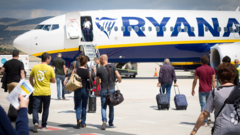
Ryanair reported a drop in profits due to reduced passenger demand stemming from geopolitical tensions in Iran and elevated fuel costs, with Brent crude surpassing $90. This highlights the aviation sector's susceptibility to global instability and commodity price swings.
Irish low-cost carrier Ryanair reported a decline in profitability, attributing the downturn to two primary factors: escalating geopolitical tensions in the Middle East deterring passenger travel and a significant increase in fuel expenses. The airline specifically cited the conflict in Iran as a deterrent to passenger bookings, impacting demand across its network.
Simultaneously, the cost of Brent crude oil surged past the $90 per barrel mark, directly inflating Ryanair's operational expenditures. As a major consumer of jet fuel, airlines are highly sensitive to fluctuations in global oil prices. The confluence of these external pressures squeezed the carrier's profit margins, despite its typical strategy of offering competitive fares.
This development underscores the inherent vulnerability of the aviation sector to both geopolitical instability and commodity price volatility. While airlines often employ hedging strategies to mitigate fuel price risks, sustained increases can still erode profitability. The dip in passenger confidence due to regional conflicts presents a demand-side challenge that is harder to offset through operational efficiencies alone. Investors and analysts will be closely monitoring how long these headwinds persist and what mitigating actions Ryanair and other airlines might undertake to safeguard their financial performance in the coming quarters.
Analyst's Take
While a drop in airline profitability due to higher oil prices is expected, the explicit mention of the 'Iran war putting off passengers' points to an underappreciated demand shock in the leisure travel market. This sentiment-driven contraction could precede broader economic softening, as consumer discretionary spending, particularly on international travel, often acts as a canary in the coal mine for economic confidence.

