MarketsMarketWatchMay 15, 2026· 1 min read
Geopolitical Tensions Reroute Shipping, Threatening Global Supply Chains and Prices
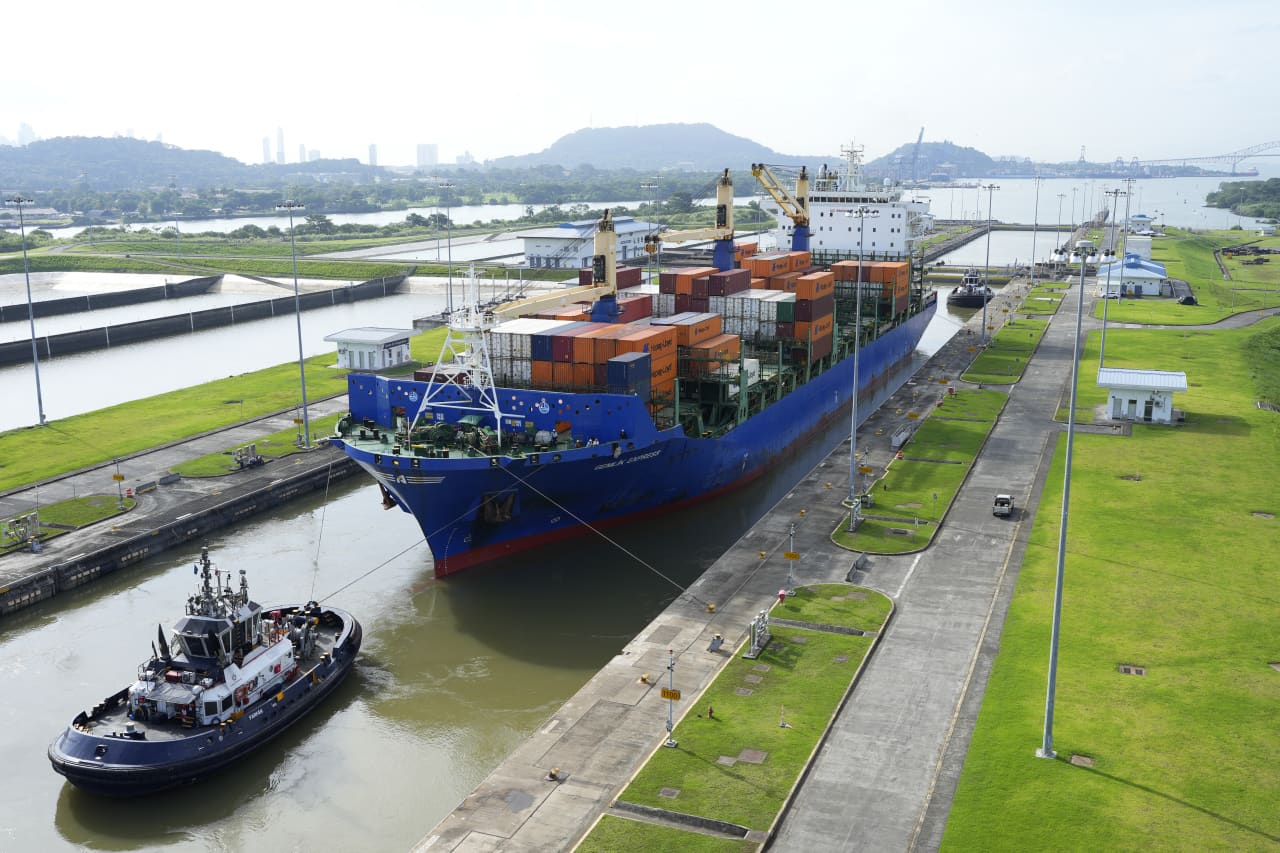
Geopolitical tensions are forcing container ships to reroute via India, Sri Lanka, and the Panama Canal, bypassing traditional, shorter routes. This shift is extending transit times and increasing operational costs, likely leading to higher freight rates and potentially pushing up consumer prices for imported goods.
Escalating geopolitical tensions, particularly the Iran-Israel conflict, are significantly altering global container shipping routes. A notable shift sees more vessels opting for routes through India and Sri Lanka, and increasingly utilizing the Panama Canal. This navigational re-routing is a direct response to perceived security risks in traditional pathways, primarily the Red Sea, which has been impacted by Houthi attacks.
The redirection of shipping lanes has immediate economic implications. Longer transit times are an inevitable consequence as ships avoid the Suez Canal, a critical artery for East-West trade. These extended voyages necessitate increased fuel consumption and higher operational costs for shipping companies. Consequently, these elevated expenses are being passed on to consumers through higher freight rates, which can then translate into increased prices for a wide array of imported goods.
The Panama Canal, while offering an alternative, presents its own challenges. Persistent drought conditions have led to restrictions on daily transits and vessel drafts, creating bottlenecks and further delays. This exacerbates the capacity crunch as more ships converge on this single chokepoint. The combined effect of these reroutings and capacity limitations is a reduction in overall global shipping efficiency and an increase in supply chain volatility.
For businesses, particularly those reliant on timely inventory and globalized production networks, this shift poses a significant challenge to cost management and delivery schedules. The ripple effect could be felt across various sectors, from manufacturing and retail to consumer goods, potentially contributing to inflationary pressures in economies heavily dependent on international trade. The situation underscores the vulnerability of global trade infrastructure to regional conflicts and environmental factors, demanding adaptive strategies from logistics providers and policymakers alike.
Analyst's Take
While the immediate market reaction focuses on increased shipping costs and consumer prices, the undercurrent here is a deepening 'regionalization' of supply chains, as companies seek resilience over efficiency. The long-term consequence could be a sustained increase in inventory holding costs and a strategic re-evaluation of just-in-time logistics, ultimately impacting corporate profitability more than just a temporary inflation spike. Watch for increased investment in diverse regional logistics hubs and onshore/nearshore manufacturing capacity, which hasn't fully materialized in corporate earnings reports yet.


