EnergyOilPrice.comJun 16, 2026· 1 min read
Tech Giants Pledge Grid Investment for AI Expansion
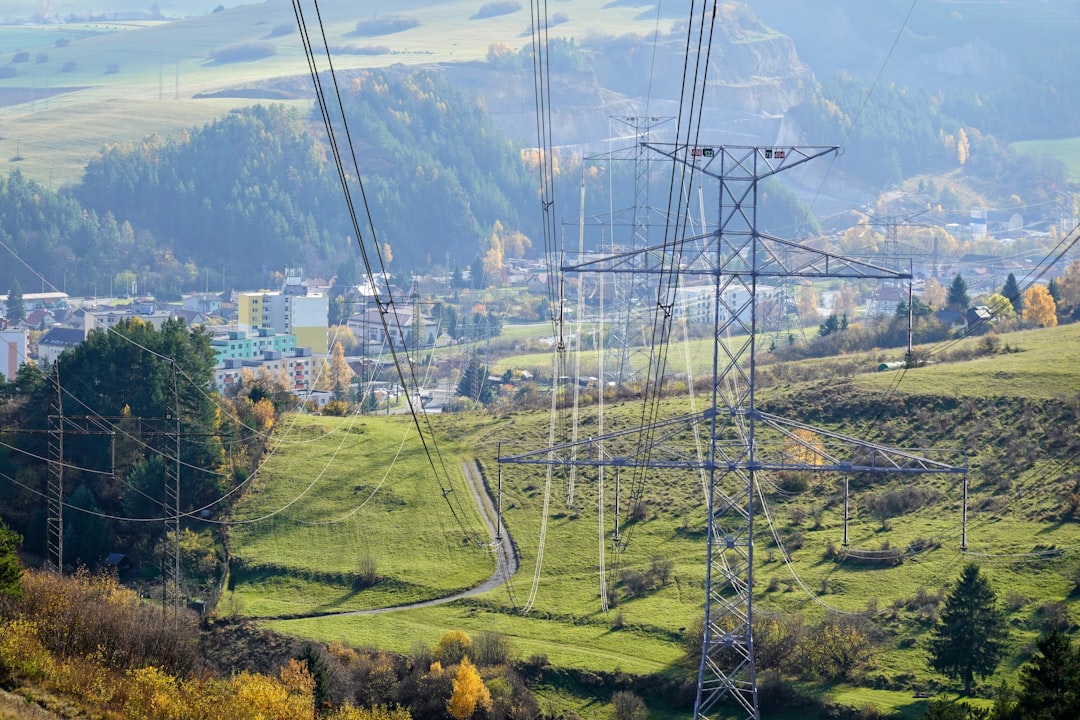
Seven major tech companies, including Microsoft and Google, have committed to fully fund the new electricity and grid infrastructure required for their AI projects. This agreement, signed at the White House, aims to ensure uninterrupted power for AI expansion and address the growing energy demands of the sector.
A consortium of leading technology companies, including Microsoft, Google, Amazon, Meta, OpenAI, Oracle, and xAI, have made a significant commitment regarding the energy demands of their rapidly expanding artificial intelligence (AI) operations. The agreement, signed in March at the White House, outlines a collective responsibility to finance both the new electricity generation required for their AI projects and the associated grid infrastructure upgrades. This commitment signals a proactive approach from the tech sector to address the burgeoning power consumption of AI, a factor increasingly under scrutiny by regulators and environmental groups.
The exponential growth of AI necessitates substantial increases in data center capacity and computational power, directly translating into heightened electricity demand. By pledging to cover these costs, the tech giants aim to mitigate potential bottlenecks in energy supply and grid stability that could otherwise impede AI development and deployment. This self-financing model for energy infrastructure suggests an acknowledgment of the scale of future AI expansion and its potential strain on existing utility systems. The economic implications extend to the energy sector, potentially driving investment in new power generation and transmission projects, and to the broader economy by ensuring the continued, unhindered advancement of AI technologies that are expected to drive future productivity gains.
While the specific financial outlay was not disclosed, the commitment underscores the strategic importance these companies place on uninterrupted power access for their AI initiatives. It also highlights a potential shift in how large-scale energy consumers might interact with utility providers, moving towards a more direct funding model for necessary infrastructure. This development could accelerate the transition to more sustainable energy sources if the companies prioritize renewable generation for their new electricity requirements, although the agreement does not explicitly mandate this.
Analyst's Take
This agreement, while seemingly a positive step for grid stability, subtly shifts the financial burden of AI's burgeoning energy appetite away from public utilities and onto the tech sector. The unstated implication is that this commitment could accelerate private investment into independent, and potentially renewable, power solutions specifically for AI, thereby circumventing traditional energy markets and potentially creating a bifurcated power grid where tech giants are effectively their own utilities within specific zones.