MarketsMarketWatchApr 21, 2026· 1 min read
Airline Strategy Shifts: Premium Investments Soar as Economy Fares Strain
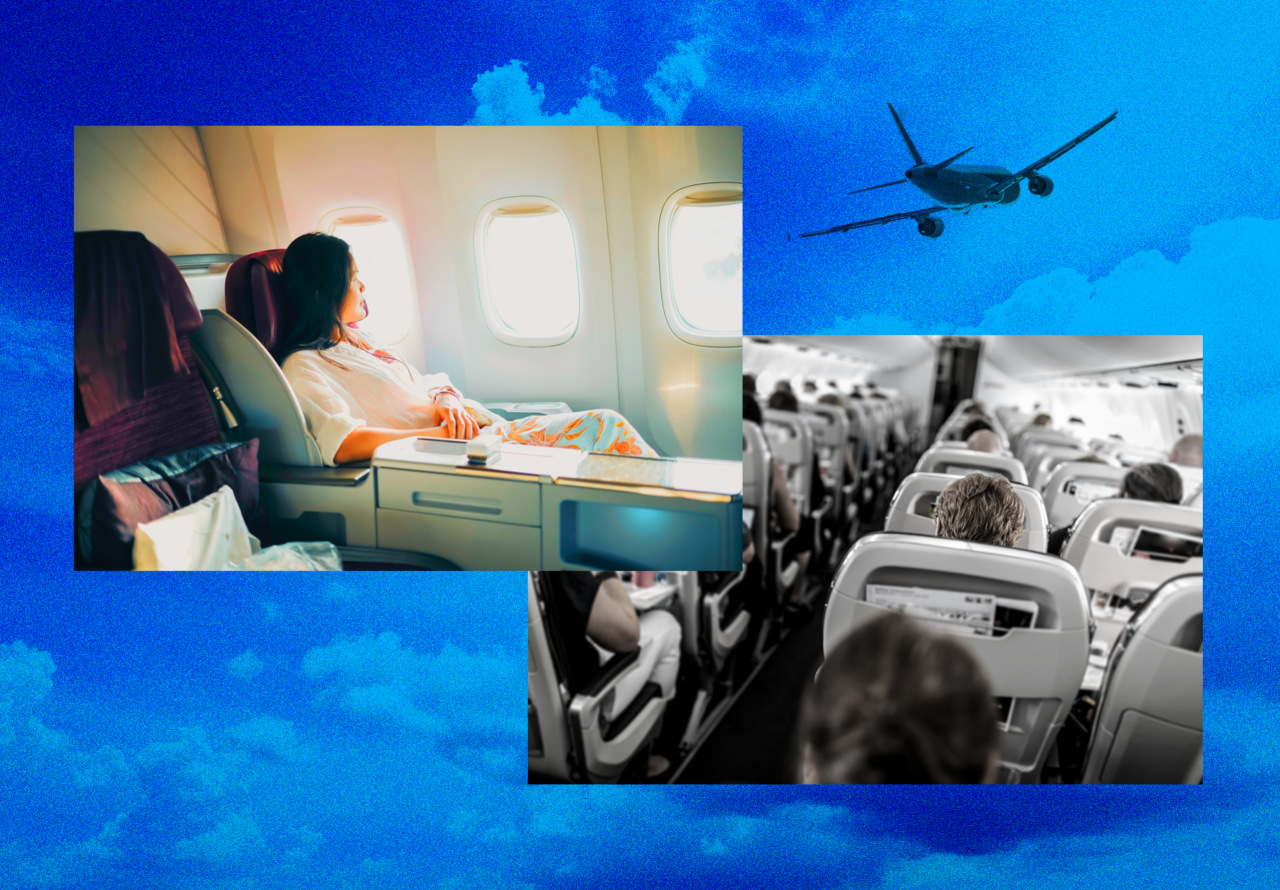
Airlines are increasingly investing in premium-class upgrades to attract high-spending customers, while basic economy fares remain elevated for the average traveler. This strategic bifurcation highlights a strong market segmentation approach aimed at maximizing revenue per available seat mile from less price-sensitive passengers.
The commercial aviation sector is exhibiting a notable strategic divergence, with airlines increasingly channeling capital into premium-class enhancements while basic economy airfare affordability remains a significant challenge for the average traveler. This dual-pronged approach underscores a strategic pivot towards maximizing revenue per available seat mile (RASM) by capitalizing on demand from high-spending consumers.
Airlines are committing substantial financial resources to upgrades in business and first-class cabins, including more luxurious seating, enhanced inflight services, and superior lounge access. This investment targets a segment of travelers, often corporate or affluent leisure, who demonstrate lower price elasticity and are willing to pay a premium for comfort and exclusivity. The underlying economic rationale is clear: higher profit margins are typically associated with premium tickets, making these investments attractive for boosting overall profitability and shareholder value. This strategy reflects a sophisticated form of market segmentation, where airlines are optimizing their product offerings to cater to varying consumer preferences and willingness-to-pay.
Conversely, the affordability of standard economy fares continues to be a point of contention for a large proportion of the flying public. Rising operational costs, including fuel, labor, and airport fees, are frequently passed on to consumers, contributing to elevated basic ticket prices. This dynamic suggests a market where, despite potential demand suppression due to high prices, carriers maintain pricing power, possibly due to capacity constraints or the essential nature of air travel for some. The widening gap between luxurious premium offerings and the escalating cost of basic travel highlights a segmentation that mirrors broader economic trends in consumer spending and income distribution.
This strategic direction indicates a calculated decision by airlines to prioritize high-yield segments, leveraging capital investments to secure a greater share of profitable premium travel, even as the base cost of air travel remains a barrier for many.


