MacroBBC BusinessJun 25, 2026· 1 min read
Apple Raises Product Prices Amid Unprecedented Component Cost Hikes
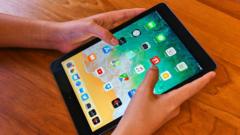
Apple has raised prices on several products, with some increases nearing 20%, attributing the move to unprecedented and rapid component cost hikes. This decision reflects significant inflationary pressures within global supply chains, impacting even large technology companies.
Apple has implemented significant price increases across several product lines, with some items seeing nearly a 20% jump. The tech giant attributed these adjustments to an unprecedented surge in component costs, citing an environment where it has "never seen a component price increase this much, this quickly." This move reflects the persistent inflationary pressures impacting global supply chains and manufacturing sectors.
The price hikes are primarily observed in international markets, potentially shielding U.S. consumers from the steepest immediate increases, though global pricing strategies often converge over time. For instance, the new M2 MacBook Air, previously priced at 1,199 pounds (approximately $1,460) in the UK, has seen its price climb to 1,249 pounds (approximately $1,520) in some regions. Similar adjustments have been reported for other devices, including iPads and iPhones, in various markets outside the United States.
From an economic perspective, Apple's decision signals the deepening impact of supply-side inflation on even high-margin technology companies. While Apple typically absorbs minor cost fluctuations, the magnitude of these increases indicates that internal efficiency gains and supplier negotiations are no longer sufficient to offset the rising input costs. This trend could exert upward pressure on consumer price indices in economies where Apple holds significant market share, contributing to broader inflationary concerns.
Furthermore, the announcement provides a real-world illustration of how geopolitical tensions, energy price volatility, and labor shortages are filtering down to end-user product prices. The company's unique insight into its supply chain, given its scale and sophisticated logistics, makes its statement a bellwether for other hardware manufacturers and consumer electronics firms struggling with similar challenges. The extent to which consumers tolerate these higher prices will be a critical determinant for Apple's sales volumes and profitability in the coming quarters, potentially impacting its market capitalization and investor sentiment.
Analyst's Take
Apple's price hikes, while seemingly a direct response to input costs, signal a potential shift in consumer technology pricing elasticity, particularly as discretionary spending tightens. This move, if broadly followed by other premium brands, could paradoxically provide a 'cover' for competitors to raise prices, potentially leading to a broader reset of perceived value and accelerating the normalization of inflation in consumer electronics beyond current central bank projections.

