MarketsMarketWatchMay 18, 2026· 1 min read
Oil Prices Rise Amid Iran Tensions, Supply Buffer Concerns
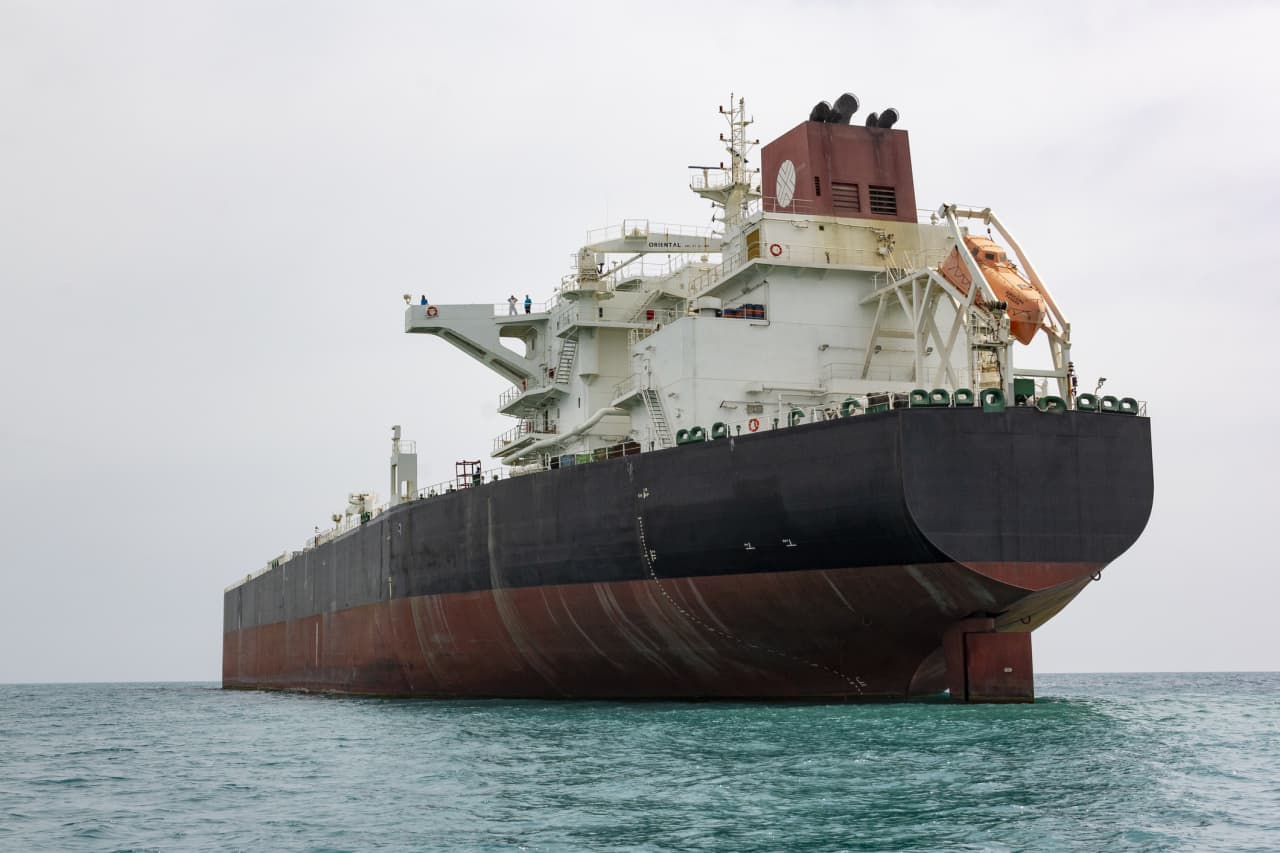
Oil futures rose following President Trump's warnings regarding Iran, adding a geopolitical risk premium to prices. Concurrently, analysts are increasingly concerned about the diminishing global oil supply buffers, which could exacerbate future price volatility during disruptions.
Oil futures experienced an uptick on Monday, primarily driven by geopolitical tensions in the Middle East. President Donald Trump's recent statement, warning that the 'clock is ticking' on Iran, fueled market speculation regarding potential supply disruptions from the region. This rhetoric contributed to a risk premium in crude prices, as investors considered the implications for global oil flows.
Beyond the immediate geopolitical headlines, market analysts are increasingly highlighting a more fundamental concern: the dwindling capacity of global oil supply buffers. These buffers, typically held by major producers like Saudi Arabia and other OPEC+ nations, are designed to absorb sudden production outages or demand surges, thus stabilizing prices. A significant depletion of these reserves reduces the market's resilience to unforeseen events.
The International Energy Agency (IEA) and other energy watchdogs have previously warned about the tightening spare capacity. Should a major supply disruption occur in a context of limited spare capacity, the market would have less flexibility to respond, potentially leading to more pronounced and sustained price spikes. This structural vulnerability could pose a greater long-term risk to energy markets than short-term geopolitical flare-ups, which often resolve without impacting physical supply. The current price increase, while partly reactive to political rhetoric, also reflects an underlying awareness of this diminishing supply cushion.
Analyst's Take
The market's immediate focus on geopolitical rhetoric might be obscuring the more profound, underlying shift in crude fundamentals. The tightening of spare production capacity, particularly among key OPEC+ producers, suggests that future supply shocks – whether political or operational – could lead to disproportionately larger and more sustained price increases, signaling potential inflationary pressures in energy-dependent economies later this year.


