EnergyChannel News Asia BusinessApr 26, 2026· 1 min read
Sri Lanka Seeks Buyers for Underutilized Chinese-Built Airport
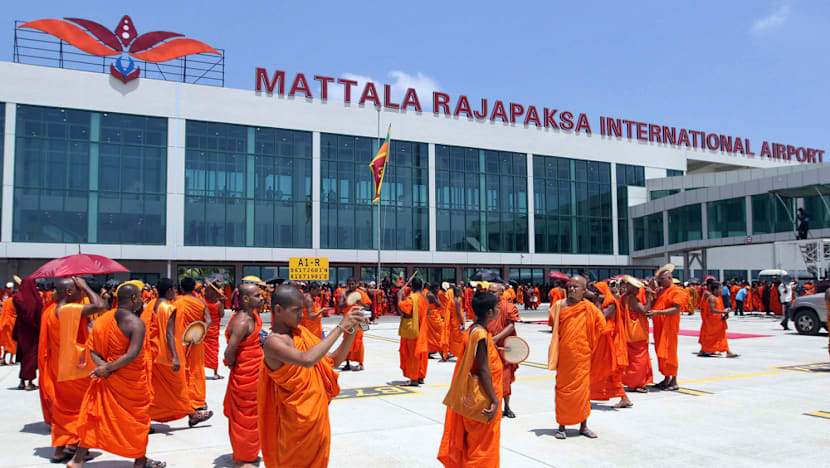
Sri Lanka is seeking buyers for its Chinese-funded Mattala Rajapaksa International Airport, which has failed to generate revenue to cover operational costs since its 2013 opening. The government aims to divest the underutilized asset to mitigate ongoing financial losses and reduce its public debt burden.
Sri Lanka is actively seeking investors to acquire its Mattala Rajapaksa International Airport (MRIA), a facility that has failed to achieve commercial viability since its opening in 2013. The airport, a key component of China's Belt and Road Initiative, has operated without regular flight schedules and has consistently struggled to generate sufficient revenue, even failing to cover operational expenses like electricity bills. This persistent financial drain on the Sri Lankan economy has prompted the government to explore privatization or a joint venture to offload the asset.
The MRIA project, primarily financed through a substantial loan from the Export-Import Bank of China, was intended to serve as a secondary international gateway to complement Colombo's Bandaranaike International Airport. However, its remote location and lack of demand from airlines have rendered it a significant fiscal burden. The inability of the airport to attract commercial traffic or freight operations underscores broader concerns regarding the economic viability and debt sustainability of certain large-scale infrastructure projects undertaken with foreign financing.
From an economic perspective, the sale or restructuring of the MRIA represents an attempt by Sri Lanka to mitigate ongoing losses and reduce its public debt obligations. The failure of such a large-scale investment to generate a positive return illustrates the challenges associated with infrastructure development without robust market analysis and demand projections. Potential buyers would need to identify a commercially viable strategy, possibly pivoting towards cargo operations, maintenance, repair, and overhaul (MRO) services, or a niche tourism market, to transform the airport into a profitable enterprise. The government's push to divest this 'white elephant' reflects a broader fiscal imperative to rationalize state assets and improve financial efficiency amidst ongoing economic pressures.
Analyst's Take
The attempt to divest the MRIA underscores a growing willingness among recipient nations to shed economically unviable Belt and Road projects, potentially signaling a shift in future infrastructure financing negotiations towards more stringent viability assessments. This could lead to a re-evaluation of sovereign guarantees on similar projects, influencing future bond market perceptions of emerging market debt tied to large-scale, demand-uncertain infrastructure developments.