MarketsMarketWatchMay 6, 2026· 1 min read
Andes Hantavirus Case off Cruise Ship Raises Public Health, Economic Concerns
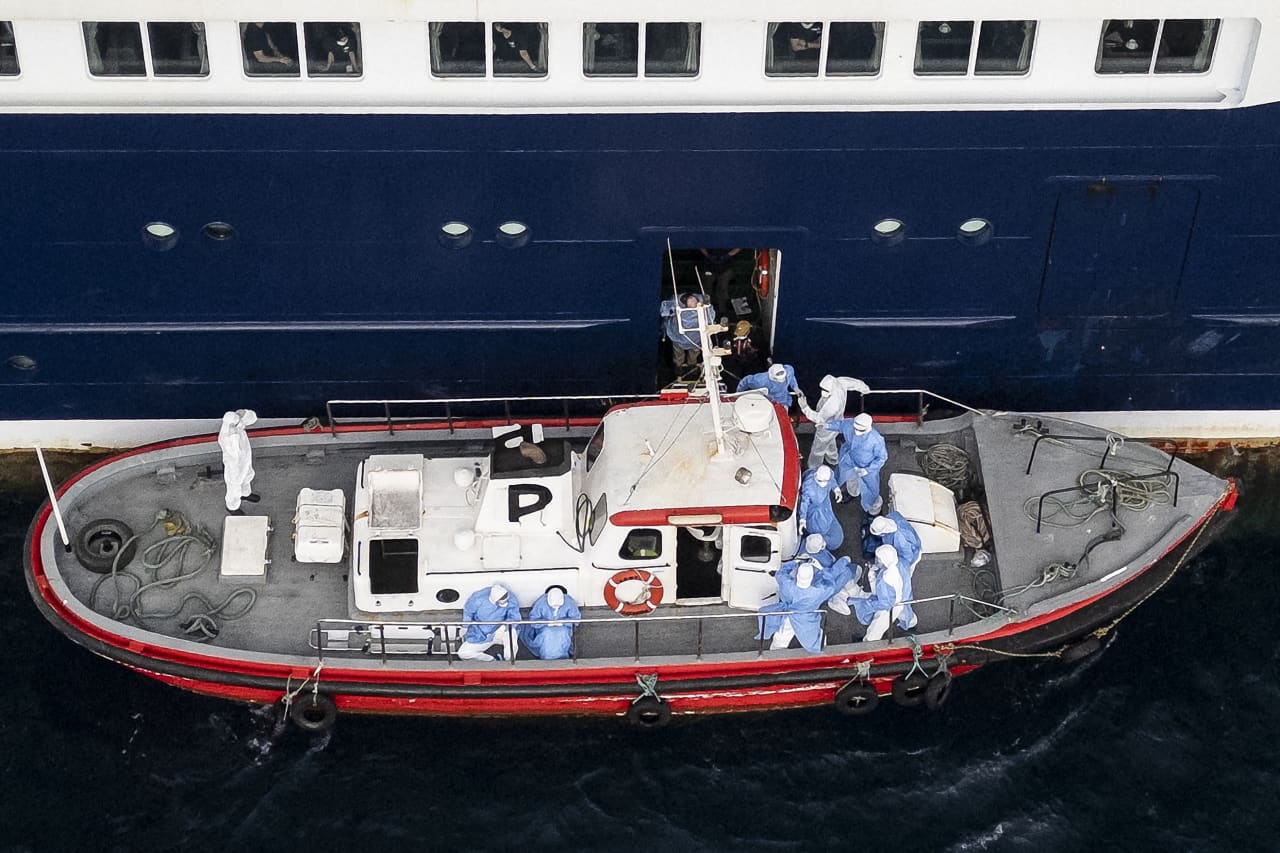
A passenger departing the MV Hondius cruise ship tested positive for the rare Andes hantavirus strain, which can transmit human-to-human. This isolated incident highlights potential, though low-probability, public health risks to the tourism and cruise industries.
A recent hantavirus detection from a passenger departing the MV Hondius cruise ship in late April has drawn attention to the rare but potent Andes strain. One individual has tested positive for the Andes hantavirus, a variant known for its human-to-human transmission capability, which differentiates it from most other hantaviruses.
The incident, while isolated to a single confirmed case following the individual's departure from the vessel, has prompted public health officials to monitor for further transmission. The MV Hondius, an expedition cruise ship operating in the Southern Hemisphere, embarks passengers primarily for Antarctic and Patagonian voyages.
From an economic perspective, the primary concern revolves around potential disruptions to the tourism and cruise line industries. While hantavirus outbreaks are exceedingly rare, particularly with the Andes strain, any perceived health risk can rapidly impact consumer confidence and travel bookings. The cruise sector, still recovering from significant disruptions experienced during the pandemic, remains particularly vulnerable to public health advisories and disease-related headlines.
For regional economies reliant on tourism, especially in the remote areas often visited by expedition cruises, a broader outbreak or sustained public health scare could have disproportionate effects. These areas frequently lack the diversified economic infrastructure to absorb sharp declines in visitor numbers. Moreover, the costs associated with public health responses, including contact tracing, isolation, and potential vessel sanitation, represent direct economic burdens, even if localized.
While this specific case currently appears contained, it underscores the persistent, albeit low-probability, threat of novel or rare pathogens impacting global industries. Businesses, particularly those in hospitality and travel, must continue to factor in health security protocols and agile response plans into their operational frameworks to mitigate both direct health and subsequent economic fallout from such events.
Analyst's Take
While the immediate economic impact is likely minimal and localized, this event serves as a micro-test of public health response protocols for global travel. It may subtly increase health security expenditures for expedition cruise lines, potentially impacting niche market pricing, and could influence insurer risk assessments for remote travel segments, possibly pushing up future policy costs for operators.


